4.1
44 verified reviews
About
Forget the Gothic Quarter. Forget the scrubbed-clean, Disney-fied version of Barcelona they sell you on the back of a hop-on-hop-off bus. If you want to see where the city actually breathes—where the laundry hangs like prayer flags from 1970s apartment blocks and the air smells of diesel and strong espresso—you get on the L2 metro and head to Sant Martí. You get off at the station and walk a few blocks to Plaça de Soledad Gustavo.
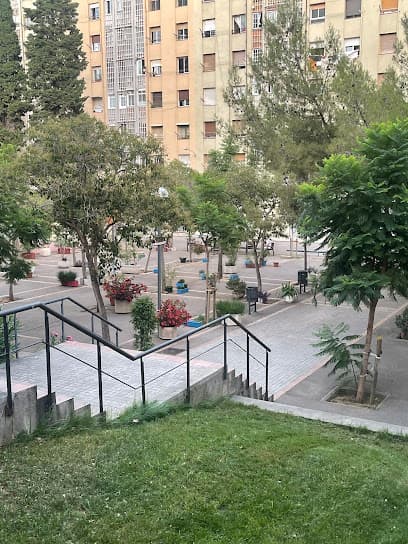
This isn't a 'must-see' in any traditional sense. There are no soaring spires, no trencadís mosaics, and no overpriced gift shops selling plastic bulls. It is a square of concrete, rubber flooring, and hardy Mediterranean trees, tucked into the dense grid of La Verneda i la Pau. But it’s named after Soledad Gustavo, and that matters. Soledad Gustavo was the pseudonym of Teresa Mañé i Miravet, a secular teacher, an editor, and a titan of Spanish anarchism. She was the mother of Federica Montseny, the first woman to hold a cabinet position in Spain. This square, in all its unvarnished glory, is a tribute to a woman who believed in the power of the people and the necessity of education outside the grip of the church.
When you arrive, you’ll see the real machinery of Barcelona in motion. It’s the sound of grandmothers in sensible shoes debating the price of tomatoes on a nearby bench. It’s the rhythmic thud of a football hitting a chain-link fence as kids who don’t care about Gaudí try to be the next Messi. It’s the hiss of the air brakes from the buses on Carrer de Guipúscoa. This is the protein of the city—the functional, working-class heart that keeps the lights on while the tourists are busy getting pickpocketed on La Rambla.
The architecture here is a brutalist reminder of the city’s rapid expansion. The surrounding buildings are tall, functional, and unapologetic. They hem in the square, creating a sort of urban living room. In the late afternoon, the light hits the upper floors of the blocks, turning the brick a dusty orange while the square below falls into a cool, communal shadow. There’s a playground here that’s seen better days, but it’s packed. There are benches where old men sit with their canes, watching the world go by with the kind of weary detachment that only comes from living through several different versions of Spain.
Is it worth visiting? That depends on what you’re looking for. If you need a backdrop for a curated lifestyle post, keep moving. But if you want to sit for twenty minutes and feel the actual pulse of a Barcelona neighborhood—to see how people live, how they raise their kids, and how they honor their radical history in the middle of a concrete jungle—then yes, it’s absolutely worth it. It’s a place to decompress from the sensory overload of the center. Grab a cheap beer or a coffee from one of the unpretentious bars on the perimeter, find a spot on a bench, and just watch.
You won't find many tourists here. You might be the only one. And that’s the point. Plaça de Soledad Gustavo is a reminder that Barcelona isn't just a museum or a beach resort; it’s a living, breathing, sometimes harsh, but always honest city. It’s a place where the ghost of an anarchist teacher still watches over the children of the working class, and in a city that’s increasingly being sold off to the highest bidder, that feels like a small, quiet victory.
Type
Park
Duration
30-45 minutes
Best Time
Late afternoon when the neighborhood comes alive with families and locals after school and work.
Features
Park
Categories
HistoryLocal LifeUrban SpacePlayground
Ticket Prices
Free Admission
No tickets required
Must-See Highlights
The central playground where local life happens
The commemorative plaque or signage naming the square
The surrounding mid-century residential architecture
Visitor Tips
Don't expect a tourist attraction; this is a functional neighborhood space.
Visit the nearby local bars on Carrer de Guipúscoa for a truly local 'menú del día'.
It's a great spot to sit and read if you want to escape the noise of the city center.
Good For
Families with kidsHistory buffs interested in anarchismSolo travelers seeking authenticityBudget travelers
Why Visit
Authentic working-class atmosphere far from the tourist crowds
Historical connection to Barcelona's radical anarchist and feminist past
A genuine 'living room' for the Sant Martí community
Nearby Landmarks
- 3-minute walk from Sant Martí Metro Station (L2)
- 1-minute walk from Rambla de Guipúscoa
- 8-minute walk from Parc de Sant Martí
Accessibility
- Flat paved surfaces
- Ramped access to the square
- Accessible benches
Location
Carrer de Guipúscoa, 72
Sant Martí, Barcelona
Nearby Hotels
Nearby Restaurants
In Sant Martí
ATTRACTION
LOS CERDINS HOUSE
Sant Martí
A raw, repurposed industrial relic in the heart of Sant Martí, Los Cerdins House is a testament to the neighborhood's manufacturing soul, where red-brick history meets the sharp, creative edge of modern Barcelona.
0.0(0)
Tourist attraction
ATTRACTION
Pista de frontó
Sant Martí
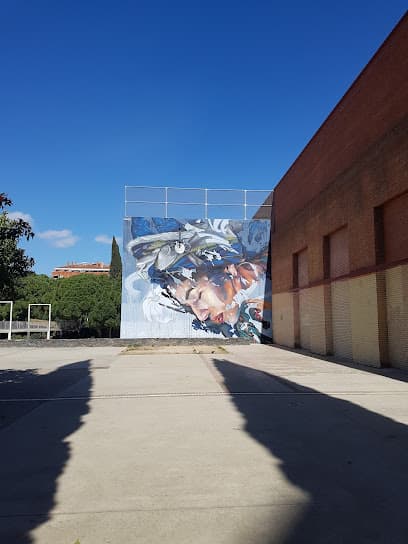
A sun-baked slab of concrete where the rhythmic thwack of a ball against stone serves as the soundtrack to a neighborhood still clinging to its gritty, industrial Poblenou soul.
0.0(0)
Park
ATTRACTION
Saraya Express
Sant Martí
A specialized travel outpost tucked away in Sant Martí. Saraya Express is where the logistics of a trip to Cairo meet the grit of Barcelona’s daily grind, far from the tourist-trap fluff.
0.0(0)
Tourist attraction
Frequently Asked Questions
Is Plaça de Soledad Gustavo worth visiting?
Only if you want to see an authentic, non-touristy Barcelona neighborhood. It's a local square with a playground and benches, significant mainly for its namesake, the anarchist teacher Teresa Mañé.
Who was Soledad Gustavo?
Soledad Gustavo was the pen name of Teresa Mañé i Miravet, a prominent Spanish anarchist, teacher, and editor who advocated for secular education and was the mother of Federica Montseny.
How do I get to Plaça de Soledad Gustavo?
Take the Metro Line 2 (Purple) to the Sant Martí station. The square is a short 3-minute walk from the exit, located just off Carrer de Guipúscoa.
What is there to do near the square?
The area is primarily residential, but you can walk along the Rambla de Guipúscoa for local shopping and dining, or visit the nearby Parc de Sant Martí for more green space.
Reviews
0 reviews for Plaça de Soledad Gustavo
No reviews yet. Be the first to share your experience!