
4.1
149 verified reviews
About
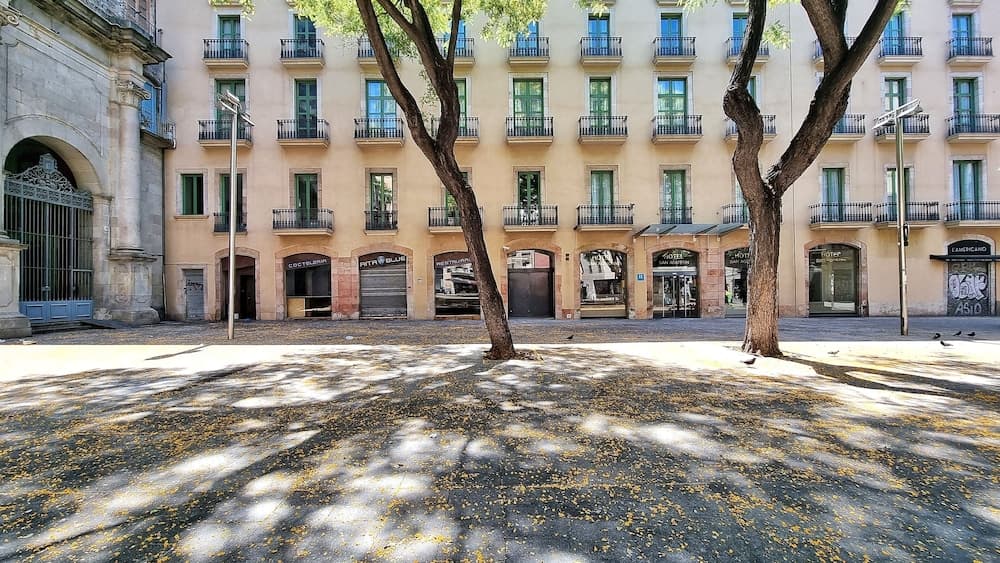
Step off the polished, postcard-ready marble of La Rambla and head west into the Raval. The air changes. It gets thicker, smelling of frying oil, old stone, and the sweat of a neighborhood that’s been working for a living since the Middle Ages. You’ll find yourself in Plaça de Sant Agustí, a space that doesn’t give a damn about your expectations of a 'charming European square.' It’s a concrete living room, a scarred and beautiful testament to a city that refuses to be fully tamed by the tourism board.
The first thing that hits you is the church, Sant Agustí Nou. It looks like a giant had a go at it and gave up halfway through. The facade is a massive, flat expanse of unfinished stone, a vertical cliff face that serves as a backdrop for the local kids kicking a football. This isn't accidental neglect; it’s history written in masonry. The Augustinians were kicked out of their original home in the Ribera district when the Spanish crown leveled the neighborhood to build the Ciutadella fortress. They moved here in the 18th century, started building this behemoth, and then ran into the buzzsaw of history—wars, secularization, and the brutal anti-clerical fires of the Spanish Civil War in 1936. The church was gutted, its treasures burned, and it remains today as a haunting, hollowed-out shell of its former ambitions.
But don't come here for a history lesson alone. Come here to see the Raval breathe. This is one of the best things to do in El Raval if you want to understand the neighborhood's DNA. On any given afternoon, the square is a chaotic, beautiful mess. You’ve got skaters grinding on the edges of the Font de Sant Agustí, a 19th-century fountain that’s seen better days but still provides a cool rhythm to the space. You’ve got old men sitting on the benches, eyes narrowed against the sun, watching the world pass by with the weary indifference of people who have seen everything. You’ve got immigrants from three different continents sharing a smoke, and the occasional traveler who took a wrong turn at the Boqueria and decided to stay for a beer.
There are a few cafes with terraces spilling onto the pavement. Sit down. Order a vermut or a dangerously cheap coffee. This is where you watch the real Barcelona. It’s not the Barcelona of the Sagrada Família or the high-end boutiques of Passeig de Gràcia. It’s the Barcelona of the 'Barrio Chino,' the name this area used to carry when it was the densest, toughest, and most vibrant slum in Europe. While the gentrification wolves are at the door, Plaça de Sant Agustí still feels like it belongs to the people who live here.
Is it pretty? Not in the traditional sense. Is it safe? Use your common sense—keep your wallet in your front pocket and don't be an easy target, just like anywhere else in the Ciutat Vella. But is it worth it? Absolutely. If you want to feel the pulse of a city that has survived sieges, plagues, and dictatorships without losing its soul, you sit in this square. You look at that unfinished church wall and realize that perfection is boring. The scars are what make it interesting. This is the authentic Barcelona experience that the guidebooks try to sanitize but can never quite capture. It’s raw, it’s loud, and it’s entirely real.
Type
Park
What People Say
church(4)muy interesante(2)cafes(2)
Features
Park
Categories
HistoryArchitectureLocal LifeReligious Site
Opening Hours
- MondayOpen 24 hours
- TuesdayOpen 24 hours
- WednesdayOpen 24 hours
- ThursdayOpen 24 hours
- FridayOpen 24 hours
- SaturdayOpen 24 hours
- SundayOpen 24 hours
Accessibility
- Flat paved square
- Wheelchair accessible outdoor area
- Ramped entrance to the church
Location
Plaça de Sant Agustí, 11
Ciutat Vella, Barcelona
Nearby
ATTRACTION
La Capella
50 m · Ciutat Vella
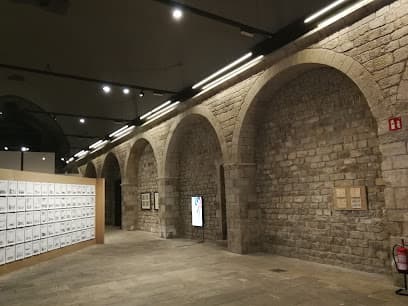
A 15th-century chapel in the heart of the Raval where ancient Gothic stone meets the raw, often uncomfortable edge of Barcelona’s emerging contemporary art scene. And it’s free.
4.3(167)
MuseumTourist attraction
ATTRACTION
Plaça del Canonge Colom
50 m · Ciutat Vella
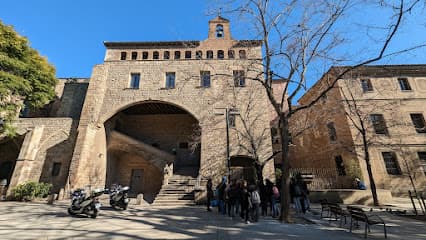
A gritty, stone-paved refuge tucked behind the Boqueria where the Raval’s raw energy meets Gothic shadows and the lingering scent of market refuse and old Barcelona.
4.0(10)
Park
RESTAURANT
Restaurant la Bellvitja
€€50 m · Ciutat Vella
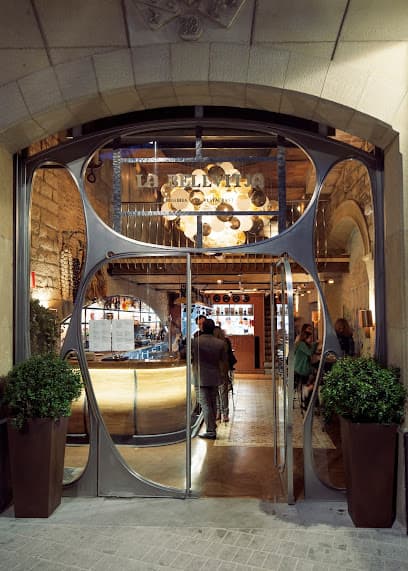
A restaurant on Carrer de l'Hospital in Ciutat Vella, open daily, rated 4.6 from 156 Google reviews that mention the prices and paella.
4.6(156)
Restaurant
RESTAURANT
Bacaro
€€€50 m · Ciutat Vella
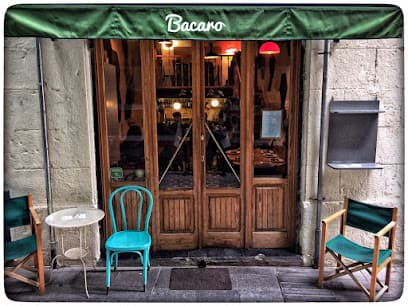
A rowdy, candlelit Venetian sanctuary tucked behind the Boqueria market, serving honest sarde in saor and the kind of ragu that ruins you for life.
4.5(1K)
Italian restaurantRestaurant
HOTEL
Sant Agustí Hotel
€€50 m · Ciutat Vella
Barcelona's oldest hotel, a former 18th-century convent where the ghosts of monks meet the raw, unvarnished reality of the Raval just steps from the Boqueria market.
4.0(1K)
Hotel
HOTEL
Leonardo Hotel Barcelona Les Rambles
€100 m · Ciutat Vella
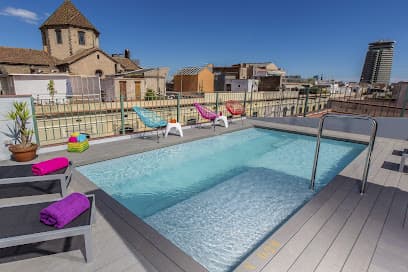
A sleek, modern sanctuary tucked into the gritty, beautiful chaos of El Raval. Escape the Rambla crowds for a rooftop dip and a view of the city's sun-drenched, jagged skyline.
4.2(1K)
Hotel
Frequently Asked Questions
Is Plaça de Sant Agustí worth visiting?
Yes, if you want to see the authentic, unpolished side of Barcelona. It offers a glimpse into the local life of the Raval neighborhood and features the historically significant, unfinished Sant Agustí Nou church.
What is the history of the Sant Agustí Nou church?
Built in the 18th century after the original monastery was destroyed to build the Ciutadella, the church was severely damaged and burned during the Spanish Civil War in 1936, leaving its facade famously unfinished.
Is the Raval area around the square safe for tourists?
The Raval is a vibrant but gritty neighborhood. While generally safe during the day, visitors should stay alert for pickpockets and avoid poorly lit side streets late at night, as they would in any dense urban center.
How do I get to Plaça de Sant Agustí?
The square is a 5-minute walk from the Liceu Metro station (L3) on La Rambla. Simply walk down Carrer de l'Hospital and turn right onto Carrer de la Plaça de Sant Agustí.
Reviews
0 reviews for Plaça de Sant Agustí
No reviews yet. Be the first to share your experience!