4.5
110 verified reviews
About
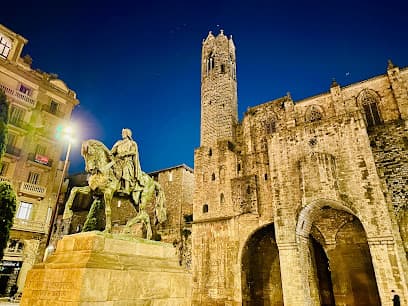
Barcelona is a city built on top of itself, a cannibalistic architectural feast where the new devours the old, and Plaça de Ramon Berenguer el Gran is where you see the scars. Stand here for ten minutes and you’ll feel the weight of two millennia pressing down on your skull. To your back, the roar of Via Laietana—a 20th-century scar cut through the city’s heart—and in front of you, the sheer, unforgiving verticality of the Roman walls. This isn't the sanitized, gift-wrapped version of history you find in a guidebook; it’s the gritty, soot-stained reality of a city that refuses to forget its bones.
The centerpiece is the man on the horse: Ramon Berenguer III, the Great. He was the Count of Barcelona back when being a Count meant something more than just having a fancy title and a summer home in Sitges. He was a warrior, a diplomat, and the guy who married into enough land to make the Crown of Aragon a real player. The statue itself is a bronze masterpiece by Josep Llimona, cast with a sense of movement that makes you think the horse might just leap off its pedestal and trample a few slow-moving tour groups. It was placed here in 1950, but it feels like it’s been guarding this patch of dirt since the dawn of time.
But look past the bronze. The real story is the wall. These are the Roman walls of Barcino, dating back to the 4th century. They weren't built for aesthetics; they were built because people were trying to kill the inhabitants, and these stones were the only thing standing in the way. You can see the layers—Roman foundations, medieval additions, and the Gothic Chapel of Santa Àgata perched on top like a stone crown. It’s a vertical timeline of survival. The chapel, part of the Palau Reial Major, features those slender, soaring windows that remind you that while the Romans were about strength, the Catalans were about style.
If you’re looking for things to do in the Gothic Quarter, this square is a mandatory stop, but don't expect a seat. There are no cafes here, no waiters trying to hustle you into a mediocre paella. It’s a transition zone, a place where locals cut through on their way to the Jaume I metro and where the occasional busker tries to compete with the traffic noise. It’s honest. It’s loud. It’s Barcelona without the filter.
Is Plaça de Ramon Berenguer el Gran worth it? Absolutely, if only to realize that your own problems are insignificant compared to a wall that has survived the fall of empires, the plague, and the invention of the electric scooter. Come in the late afternoon when the sun hits the bronze of the statue and the honey-colored stone of the chapel. The light softens the edges of the city, making the juxtaposition of the ancient ruins and the modern traffic feel less like a collision and more like a conversation. It’s one of the most enduring historical layers in Barcelona because it doesn't ask for your permission to exist; it just stands there, stubborn and magnificent, reminding you that the past is never really past—it’s just under your feet.
Type
Historical landmark, Tourist attraction
Duration
15-30 minutes
Best Time
Late afternoon for the best lighting on the bronze statue and stone walls.
What People Say
statue(7)cathedral(5)bronze(4)count(3)
Features
Historical landmark
Tourist attraction
Categories
ArchitectureRoman RuinsGothicPublic Square
Ticket Prices
Free Admission
No tickets required
Opening Hours
- MondayOpen 24 hours
- TuesdayOpen 24 hours
- WednesdayOpen 24 hours
- ThursdayOpen 24 hours
- FridayOpen 24 hours
- SaturdayOpen 24 hours
- SundayOpen 24 hours
Must-See Highlights
The 4th-century Roman wall sections
Josep Llimona’s bronze equestrian statue
The exterior of the Chapel of Santa Àgata
The contrast between the ancient walls and the busy Via Laietana
Visitor Tips
Don't just look at the statue; walk right up to the Roman walls to see the different types of stone used over centuries.
It's a great spot for a quick historical breather between the Cathedral and the El Born neighborhood.
Keep an eye on your belongings, as the proximity to Via Laietana and the Gothic Quarter attracts pickpockets.
Good For
History buffsPhotography enthusiastsBudget travelersArchitecture lovers
Why Visit
Triple-layered history featuring 4th-century Roman walls, 14th-century Gothic chapel, and 20th-century urban planning.
The iconic equestrian statue of Ramon Berenguer III by renowned Catalan sculptor Josep Llimona.
One of the most dramatic and accessible views of the original Roman fortifications of Barcino.
Nearby Landmarks
- Barcelona Cathedral (3-minute walk)
- MUHBA Museum of History (4-minute walk)
- Santa Caterina Market (5-minute walk)
- Plaça de Sant Jaume (6-minute walk)
Accessibility
- Outdoor public space
- Flat paved surfaces
- Visible from street level
Location
Pl. de Ramon Berenguer el Gran, 19
Ciutat Vella, Barcelona
Nearby Hotels
Nearby Restaurants
In Ciutat Vella
ATTRACTION
Park
Ciutat Vella
A thousand years of silence tucked behind a Romanesque monastery, where the grit of El Raval dissolves into ancient stone, cool shadows, and the heavy weight of history.
0.0(0)
Park
ATTRACTION
BARSHELONA
Ciutat Vella
Forget the plastic bulls and tacky magnets. This is where Barcelona’s soul is bottled into art, a small sanctuary of local design hidden in the shadows of the Gothic Quarter.
0.0(0)
Tourist attraction
ATTRACTION
Minajoe art
Ciutat Vella
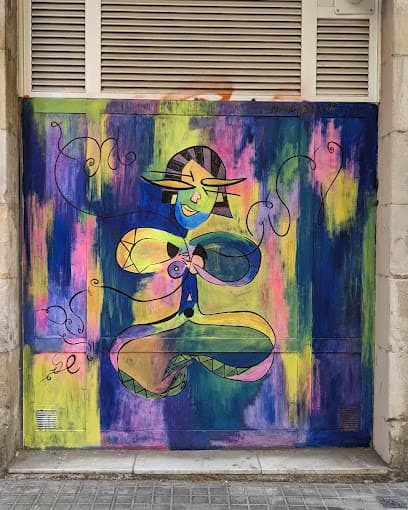
A raw, paint-splattered antidote to the sterile museum circuit. This is where pop-art meets the grit of the street, served straight from the artist’s hands in the heart of old Barcelona.
0.0(0)
Tourist attraction
Frequently Asked Questions
Is Plaça de Ramon Berenguer el Gran worth visiting?
Yes, it is one of the few places where you can see the Roman walls, medieval architecture, and modern city life in a single frame. It’s free, outdoors, and offers a visceral sense of Barcelona's 2,000-year history.
How do I get to Plaça de Ramon Berenguer el Gran?
The square is located on Via Laietana. The easiest way to get there is by taking the L4 Metro to the Jaume I station; it's a two-minute walk from the exit.
What is the best time to visit the square?
Late afternoon or 'golden hour' is best. The setting sun hits the bronze statue and the stone walls of the Chapel of Santa Àgata, creating a dramatic light that rewards anyone with a camera.
Do I need tickets for Plaça de Ramon Berenguer el Gran?
No, it is a public square and completely free to visit at any time of day or night.
Reviews
0 reviews for Plaça de Ramon Berenguer el Gran
No reviews yet. Be the first to share your experience!