3.0
1 verified reviews
About
In a city where every second street corner is named after a saint or a general who probably burned something down, the Plaça de les Sufragistes Catalanes feels like a necessary correction. Located in the heart of Sant Martí, a neighborhood that’s spent the last century transitioning from the 'Catalan Manchester' of smoking chimneys to a tech-heavy '22@' future, this isn't your typical postcard Barcelona. You won't find any Gothic arches or Gaudí-esque whimsy here. What you find is the truth of a working-class district trying to remember its heroes.
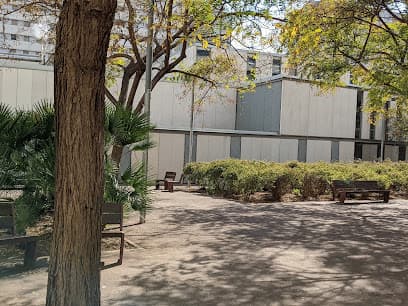
The plaza—or garden, depending on which city map you’re squinting at—is a product of modern urbanism. It’s part of that 'Superilla' philosophy where the city tries to reclaim the asphalt from the cars and give it back to the people. It’s a mix of hard concrete, resilient Mediterranean greenery, and the kind of benches where you’ll see retirees arguing about politics and kids practicing kickflips. It’s honest. It’s functional. It’s the kind of place where the air smells like the sea and the lingering ghost of industrial grease.
But the real reason this place matters is the name. In 1931, while the rest of the world was still largely patting women on the head and telling them to stay in the kitchen, the suffragettes of Catalonia were busy. They gathered nearly 400,000 signatures—an staggering number for the time—demanding the right to vote. Women like Carme Karr, Francesca Bonnemaison, and Maria Cambrils weren't just asking for a favor; they were demanding a seat at the table. They finally got to the ballot box in 1933, a brief flash of democratic light before the darkness of the Civil War and the subsequent dictatorship tried to erase everything they’d built.
Walking through this space today, you feel that tension between the old industrial grit and the new, polished Barcelona. To your left, you might see a repurposed factory chimney; to your right, a glass-and-steel office building housing a startup that probably won't exist in three years. In the middle is this plaza, a quiet reminder that progress isn't a straight line—it’s a fight.
Is it 'worth it' for a tourist on a 48-hour bender? Probably not. There are no churro stands or guys dressed as statues. But if you’re the kind of traveler who wants to see where the city actually breathes, where the neighborhood kids play, and where the history of social struggle is etched into the very street signs, then yeah, it’s worth the walk. Grab a coffee from a nearby corner bar—the kind with the fluorescent lights and the surly waiter—and sit here for twenty minutes. Watch the light change over the modern apartment blocks. It’s not the Barcelona they sell you in the brochures, and that’s exactly why it’s good. It’s a place for reflection in a city that’s often too busy performing for the cameras.
Type
Garden
Duration
30-45 minutes
Best Time
Late afternoon when the neighborhood comes alive with local families and the light softens against the modern architecture.
Features
Garden
Categories
HistoryUrban DesignFeminism
Ticket Prices
Free Admission
No tickets required
Must-See Highlights
The commemorative signage explaining the suffragette movement
The contrast between old industrial chimneys and modern 22@ architecture
The local 'Superilla' street layout
Visitor Tips
Combine this with a visit to the nearby Parc del Centre del Poblenou designed by Jean Nouvel.
Look for the small local cafes on Carrer de Marroc for an authentic neighborhood lunch.
It's a great spot for a quiet break if you're exploring the 22@ innovation district.
Good For
History buffsUrban explorersSolo travelersBudget travelers
Why Visit
Commemorates the 1931 Catalan women's suffrage movement
Example of modern 'Superilla' urban greening in Sant Martí
Authentic local atmosphere away from the tourist crowds
Nearby Landmarks
- 10-minute walk from Parc del Centre del Poblenou
- 15-minute walk from Diagonal Mar Shopping Centre
- 12-minute walk from Palo Alto Market
Accessibility
- Fully wheelchair accessible
- Flat paved surfaces
- Accessible seating
Location
Carrer de Fluvià, 70X
Sant Martí, Barcelona
Nearby Hotels
Nearby Restaurants
In Sant Martí
ATTRACTION
LOS CERDINS HOUSE
Sant Martí
A raw, repurposed industrial relic in the heart of Sant Martí, Los Cerdins House is a testament to the neighborhood's manufacturing soul, where red-brick history meets the sharp, creative edge of modern Barcelona.
0.0(0)
Tourist attraction
ATTRACTION
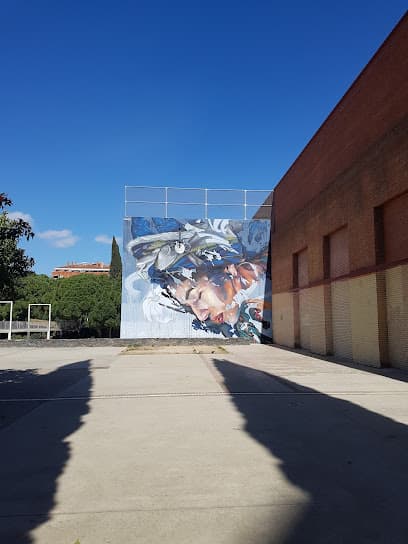
Pista de frontó
Sant Martí
A sun-baked slab of concrete where the rhythmic thwack of a ball against stone serves as the soundtrack to a neighborhood still clinging to its gritty, industrial Poblenou soul.
0.0(0)
Park
ATTRACTION
Saraya Express
Sant Martí
A specialized travel outpost tucked away in Sant Martí. Saraya Express is where the logistics of a trip to Cairo meet the grit of Barcelona’s daily grind, far from the tourist-trap fluff.
0.0(0)
Tourist attraction
Frequently Asked Questions
Is Plaça de les Sufragistes Catalanes worth visiting?
It is worth it for those interested in local history and urban design. It's a quiet, modern neighborhood square rather than a major tourist landmark.
Who are the suffragettes honored here?
The square honors the collective movement of Catalan women who gathered 400,000 signatures for the right to vote in 1931, including figures like Carme Karr and Francesca Bonnemaison.
How do I get to the plaza?
The plaza is located in Sant Martí on Carrer de Fluvià. The easiest way is via the L4 Metro (Selva de Mar or Besòs stops) followed by a short walk.
Reviews
0 reviews for Plaça de les Sufragistes Catalanes
No reviews yet. Be the first to share your experience!