4.7
10 verified reviews
About
Forget the Sagrada Família for a second. Forget the Gothic Quarter’s sanitized alleys and the overpriced tapas bars where they charge you five euros for a beer because you’re wearing a lanyard. If you want to see the Barcelona that actually breathes, sweats, and fights, you have to get on the L4 or L3 metro and ride it until the map ends. You get off at Trinitat Nova, walk uphill until your calves scream, and find yourself in the Plaça de les Dones de Nou Barris.
This isn't a 'park' in the way a Londoner or a Parisian thinks of one. There are no manicured rose bushes or statues of dead kings on horseback. It’s a square of concrete and community, a space that feels earned. This place was officially renamed in 2018 to honor the women of this district—the mothers, the workers, the activists who, during the transition to democracy and the years of neglect that followed, literally stood in front of bulldozers and blocked traffic to demand basic human rights. We’re talking about water, electricity, schools, and healthcare. They didn't ask for a monument; they asked for a life of dignity, and this square is the city finally nodding its head in respect.
When you stand here, you’re in the heart of Nou Barris, a district that has historically been the arrival point for migrants from the rest of Spain and, more recently, the world. It’s a neighborhood of steep hills and high-rise apartments that look like they were built in a hurry because they were. But there’s a pride here that you won’t find in the Eixample. You’ll see old men sitting on benches, their faces etched with decades of hard labor, arguing about football or politics. You’ll see kids kicking a ball against a wall with the kind of intensity usually reserved for a Champions League final. You’ll hear a dozen different accents and smell the heavy, comforting scent of home cooking wafting from open windows.
The square itself features a striking mural—a piece of urban art that doesn't just decorate the space but tells its story. It depicts the faces of the women who built this neighborhood. It’s raw, it’s colorful, and it’s a hell of a lot more interesting than another postcard of a mosaic lizard. This is the 'Barcelona of the peripheries,' a place that the tourism boards usually ignore because it doesn't fit the narrative of a Mediterranean playground. But this is where the real work gets done.
Is it 'pretty'? Not by conventional standards. It’s gray, it’s loud, and the wind coming off the Collserola hills can be biting. But it is honest. There is a total lack of pretension here. You can walk into any of the surrounding bars—places with names like Bar El Otro or local cafeterias—and get a coffee that will wake the dead for a fraction of what you’d pay on the Rambla. You won't find an English menu, and the waiter might look at you like you’re lost, but that’s part of the deal. You’re a guest in their living room.
Come here if you’re tired of the museum-city. Come here if you want to understand the social fabric that holds Barcelona together. It’s a reminder that cities aren't just made of stone and mortar; they’re made of people who refuse to be ignored. It’s a tribute to the 'chachas' and the workers who made this city functional while the bourgeoisie were busy looking the other way. It’s a gut punch of reality in a city that is increasingly becoming a theme park.
Type
Park
Duration
30-45 minutes
Best Time
Late afternoon when the square fills with locals and the light hits the mural.
Features
Park
Categories
HistoryUrban ArtLocal Culture
Ticket Prices
Free Admission
No tickets required
Opening Hours
- MondayOpen 24 hours
- TuesdayOpen 24 hours
- WednesdayOpen 24 hours
- ThursdayOpen 24 hours
- FridayOpen 24 hours
- SaturdayOpen 24 hours
- SundayOpen 24 hours
Must-See Highlights
The commemorative mural of the women of Nou Barris
The panoramic views of the surrounding hills
The local 'Barrio' atmosphere in the surrounding streets
Visitor Tips
Combine this with a visit to the nearby Casa de l'Aigua for more local history.
Don't expect English to be widely spoken; have a few Spanish or Catalan phrases ready.
Wear comfortable shoes as the neighborhood is very hilly.
Good For
History buffsSolo travelersSociology studentsBudget travelers
Why Visit
Authentic working-class history honoring female neighborhood activists
Zero tourist crowds for a genuine local experience
Striking urban murals depicting the district's social struggle
Nearby Landmarks
- Casa de l'Aigua - 10-minute walk
- Parc de la Trinitat - 15-minute walk
- Castell de Torre Baró - 25-minute hike uphill
Accessibility
- Wheelchair accessible
- Paved surfaces
- Steep surrounding streets
Location
Plaça de les Dones de Nou Barris
Nou Barris, Barcelona
Nearby Hotels
Nearby Restaurants
In Nou Barris
ATTRACTION
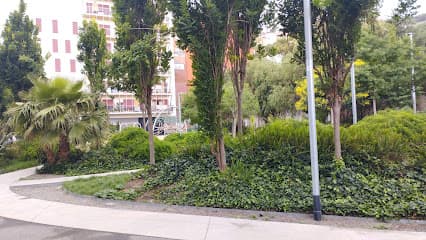
Plaça Verda de la Prosperitat
Nou Barris
A concrete-and-chlorophyll middle finger to urban neglect, where Nou Barris locals reclaim their right to breathe, drink, and exist far from the suffocating Sagrada Familia crowds.
0.0(0)
Garden
ATTRACTION
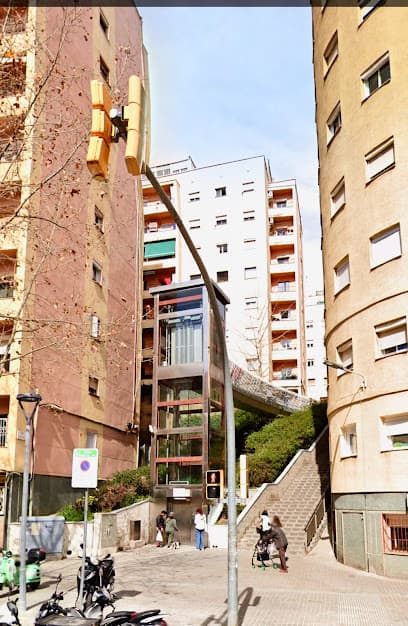
Ascensor Canfranc - Paseo de Fabra y Puig 08031 Nou Barris
Nou Barris
A glass-and-steel lifeline in Nou Barris that saves your knees and offers a gritty, honest view of the Barcelona tourists usually ignore. No gift shops, just gravity-defying utility.
0.0(0)
Hiking area
ATTRACTION
Carrer pimoli42
Nou Barris
The anti-tourist Barcelona. A gritty, honest stretch of Nou Barris where the Gaudí magnets disappear and the real city begins over cheap beer and the smell of rotisserie chicken.
0.0(0)
Tourist attraction
Frequently Asked Questions
Is Plaça de les Dones de Nou Barris worth visiting?
Yes, if you are interested in social history and seeing the authentic, non-touristy side of Barcelona. It offers a deep look into the city's activist roots far from the typical landmarks.
How do I get to Plaça de les Dones de Nou Barris?
Take the L3 (Green) or L4 (Yellow) metro line to the Trinitat Nova station. From there, it is a short but steep walk into the heart of the neighborhood.
What is the significance of the square's name?
The square was renamed in 2018 to honor the women of Nou Barris who fought for neighborhood improvements like running water, schools, and healthcare during the 1960s and 70s.
Are there any facilities at the square?
It is a public square with benches, a commemorative mural, and local bars and shops nearby. There are no public restrooms or tourist information centers.
Reviews
0 reviews for Plaça de les Dones de Nou Barris
No reviews yet. Be the first to share your experience!