4.2
1,557 verified reviews
About
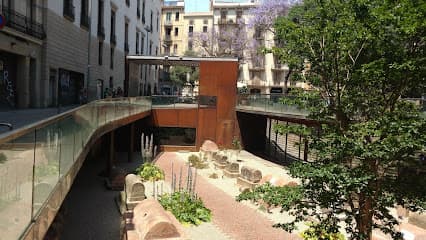
Barcelona is a city built on top of itself, a literal lasagna of history where you’re never more than six feet away from a ghost or a Roman brick. Most people spend their time in the Gothic Quarter looking up at the cathedral spires or dodging pickpockets on the Rambla, but the smart money looks down. Specifically, into the sunken pit of Plaça de la Vila de Madrid. This isn't just another plaza; it’s a hole in the fabric of time, revealing the Via Sepulcral Romana—a Roman necropolis that dates back to the 1st and 3rd centuries AD.
Walking into this square is a jarring experience. You’ve got the 1950s-era buildings surrounding you, the sound of scooters buzzing by, and people sitting on benches scrolling through their phones. And then, right in the center, the ground drops away to reveal a line of stone tombs. These aren't the grand, ego-driven mausoleums of emperors. These were the graves of the middle class, the workers, the people who actually kept Barcino running. They were buried outside the city walls, as was the law, along the road that led toward the interior of the peninsula.
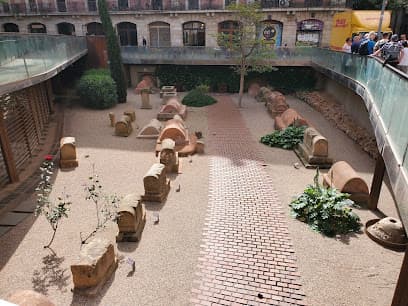
The discovery of this place was an accident of tragedy. During the Spanish Civil War, the area was bombed, and when they started clearing the rubble in 1954 to rebuild, they found the ancestors waiting for them. It’s a stark reminder that the ground we walk on is borrowed. The tombs themselves are mostly 'cupae'—stone monuments shaped like barrels or trunks. They look heavy, permanent, and strangely humble.
You can view the whole thing for free from the railing above, which is what most people do. But if you give a damn about the details, pay the few euros to go down into the MUHBA (Museu d'Història de Barcelona) interpretation center. It’s small, quiet, and smells like old stone and damp earth. You get to walk the elevated walkway right over the graves. It’s a visceral way to see how the Romans honored their dead, leaving space for family members to perform libations—literally pouring wine or honey down into the tomb to feed the deceased. It’s a bit dark, a bit beautiful, and entirely human.
What makes Plaça de la Vila de Madrid one of the best things to do in Barcelona for history buffs is the lack of pretense. There are no flashing lights, no costumed gladiators, no tourist-trap nonsense. It’s just the unvarnished truth of the past sitting in the middle of a modern neighborhood. It’s a place for a quiet moment of reflection in a city that is often anything but quiet.
Is it worth visiting? If you want to see the real Barcelona—the one that existed before the cruise ships and the tapas tours—then yes. It’s a five-minute detour from the chaos of the Rambla that will change how you look at every street in the Ciutat Vella. You’ll realize that under every paving stone, there’s a story, a bone, or a piece of pottery waiting to be found. It’s a melancholy, fascinating spot that reminds you that we’re all just passing through, just like the Romans who laid these stones two millennia ago.
Type
Tourist attraction
Audio Guide
Available
What People Say
tombs(38)ruins(19)necropolis(18)square(14)curiosity(13)garden(11)roman road(10)archeological site(10)
Features
Tourist attraction
Categories
Roman HistoryArchaeologyMuseumPlaza
Opening Hours
- MondayOpen 24 hours
- TuesdayOpen 24 hours
- WednesdayOpen 24 hours
- ThursdayOpen 24 hours
- FridayOpen 24 hours
- SaturdayOpen 24 hours
- SundayOpen 24 hours
Accessibility
- Wheelchair accessible viewing from street level
- Elevator access to the museum level
Location
Pl. de la Vila de Madrid, s/n
Ciutat Vella, Barcelona
Nearby
ATTRACTION
MUHBA Via Sepulcral Romana
50 m · Ciutat Vella
A MUHBA site with Roman tombs along an ancient road at Plaça de la Vila de Madrid in Ciutat Vella, rated 4.3 from 175 Google reviews.
4.3(175)
MuseumTourist attraction
ATTRACTION
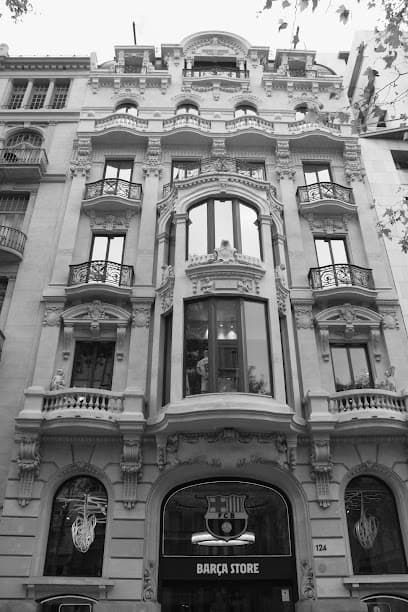
Antiguo Diario Las Noticias
50 m · Ciutat Vella
A ghost of Barcelona’s literary past where Modernista stone meets the smell of fried chicken. Look up to see the history of the press before the tourists took over.
5.0(2)
Tourist attraction
RESTAURANT
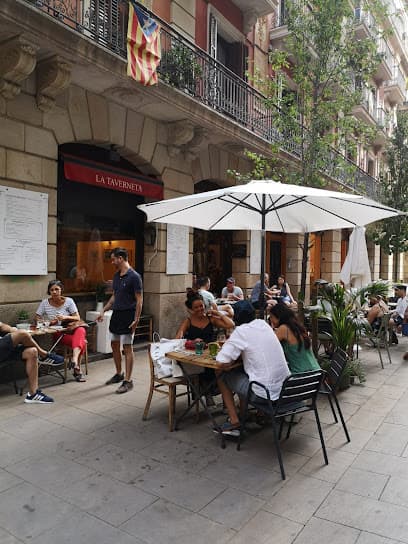
Restaurant La Taverneta Barcelona
€€50 m · Ciutat Vella
Tucked away from the chaos of Plaça de Catalunya, this is where stone walls and low lights meet honest tapas and octopus so tender it’ll make you question every rubbery tentacle you’ve ever had.
4.4(1K)
Mediterranean restaurantBistro
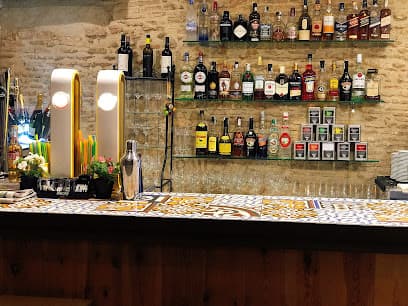
RESTAURANT
Restaurant Prado De Flores
€€100 m · Ciutat Vella
A bastion of honest Mediterranean cooking hidden in the frantic heart of Ciutat Vella, where the sangria is cold and the paella actually tastes like the sea.
4.5(2K)
Mediterranean restaurantCocktail bar

HOTEL
Kimpton Vividora Barcelona
€€€50 m · Ciutat Vella
A sleek, design-forward sanctuary in the Gothic Quarter where the vermouth flows for free, the rooftop views are lethal, and your dog is treated better than you are.
4.6(925)
Hotel
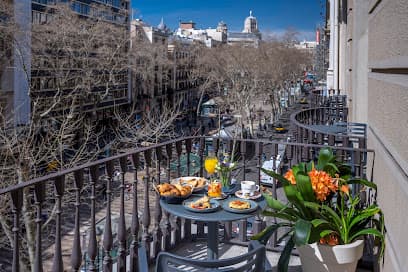
HOTEL
Hotel SERHS Rivoli Rambla
€€100 m · Ciutat Vella
A four-star hotel at La Rambla 128 in Ciutat Vella with a terrace and fitness center, rated 4.0 from 1,548 Google reviews.
4.0(1K)
Hotel
Frequently Asked Questions
Is Plaça de la Vila de Madrid worth visiting?
Yes, especially if you appreciate history without the crowds. It offers a rare, visible look at Roman burial customs right in the city center.
Can you see the Roman ruins for free?
You can see the entire necropolis for free from the street-level railings. However, there is a small fee to enter the MUHBA interpretation center and walk the lower path.
How do I get to the Roman Necropolis?
It is located in the Gothic Quarter, just a 5-minute walk from La Rambla or Plaça de Catalunya. The nearest Metro stations are Catalunya (L1, L3) and Liceu (L3).
What should I see at Plaça de la Vila de Madrid?
Look for the 'cupae', the barrel-shaped stone tombs, and read the plaques in the MUHBA center that explain the funerary rituals of the 1st to 3rd centuries.
Reviews
0 reviews for Plaça de la Vila de Madrid
No reviews yet. Be the first to share your experience!