3.9
18 verified reviews
About
Forget the Sagrada Família for a second. Put down the overpriced gelato and step away from the Gothic Quarter’s stage-managed charm. If you want to see where the people who actually keep this city running live, you take the L3 or the L4 metro all the way to the end of the line. You get off at Trinitat Nova, walk past the rows of post-war apartment blocks, and find yourself at Plaça de La Terra. This isn’t a 'destination' in the way the guidebooks define it. It’s a clearing in the dense forest of Nou Barris, a neighborhood that has spent decades fighting for every square inch of dignity and green space it possesses.
Arriving here feels like crossing a border. The air doesn't smell like sea salt and sunblock; it smells like laundry detergent, frying garlic, and the faint metallic tang of the nearby tracks. Plaça de La Terra is a product of urban renewal, a necessary lung for a district that was once a chaotic sprawl of cheap housing built for the waves of migrants who arrived in the mid-20th century. It’s not 'pretty' in the classical sense. There are no marble statues or manicured rose gardens. Instead, you get a functional, hard-edged beauty—a mix of paved surfaces, sturdy benches, and resilient Mediterranean flora that looks like it’s seen some things.
The experience of being here is purely observational. You sit on a bench and watch the rhythm of a Barcelona that doesn't care if you're there or not. Old men with weathered faces argue over the merits of a football match that happened three days ago. Mothers keep a sharp eye on kids who treat the concrete like a high-stakes playground. It’s a place of transit and a place of rest, a communal living room for people whose actual living rooms are often cramped and overflowing. This is the 'Terra'—the earth, the ground, the foundation of the city that the tour buses never reach.
There is a specific kind of melancholy here, but also a fierce sense of pride. Nou Barris was the site of the 'aluminosis' crisis, where thousands of homes literally began to crumble because of poor construction materials. The redevelopment that created spaces like Plaça de La Terra wasn't a gift from the city; it was a hard-won victory by neighborhood associations who demanded better. When you walk across this square, you’re walking on the result of decades of protest and community organizing. It’s a testament to the fact that a city is more than its monuments; it’s the collective will of the people who inhabit its furthest corners.
Is it worth the trek? That depends on what you’re looking for. If you need a backdrop for a luxury watch ad, keep moving. But if you want to understand the social fabric of Barcelona, if you want to see the grit and the grace of a working-class barrio, then yes, it’s essential. It’s a palate cleanser for the soul. You come here to remind yourself that the world is big, that people are resilient, and that sometimes the most interesting thing you can do in a city is just sit down in a quiet square and watch the sun set over the rooftops of the people who actually make the place work. It’s honest, it’s raw, and it’s entirely devoid of bullshit.
Type
Park
Duration
30-60 minutes
Best Time
Late afternoon when the neighborhood comes alive with families and locals socializing.
Features
Park
Categories
Urban SpaceLocal LifeArchitecture
Ticket Prices
Free Admission
No tickets required
Opening Hours
- MondayOpen 24 hours
- TuesdayOpen 24 hours
- WednesdayOpen 24 hours
- ThursdayOpen 24 hours
- FridayOpen 24 hours
- SaturdayOpen 24 hours
- SundayOpen 24 hours
Must-See Highlights
The view of the surrounding Nou Barris apartment blocks
The nearby Casa de l'Aigua architecture
Local life on the benches during 'la hora del paseo'
Visitor Tips
Combine this with a visit to the nearby Casa de l'Aigua for a deeper historical context.
Don't expect tourist amenities; bring your own water and snacks from a local 'colmado'.
Respect the locals; this is their backyard, not a theme park.
Good For
Solo travelersUrban explorersBudget travelersPhotography enthusiasts
Why Visit
Zero tourist crowds for a truly local experience
Insight into Barcelona's 20th-century urban history and social struggle
A peaceful, unpretentious atmosphere far from the city center noise
Nearby Landmarks
- Casa de l'Aigua (10-minute walk)
- Parc de la Trinitat (15-minute walk)
- Castell de Torre Baró (25-minute walk/hike)
Accessibility
- Fully wheelchair accessible
- Flat paved surfaces
- Accessible via metro with elevators
Location
Carrer de Palamós, 71
Nou Barris, Barcelona
Nearby Hotels
Nearby Restaurants
In Nou Barris
ATTRACTION
Plaça Verda de la Prosperitat
Nou Barris
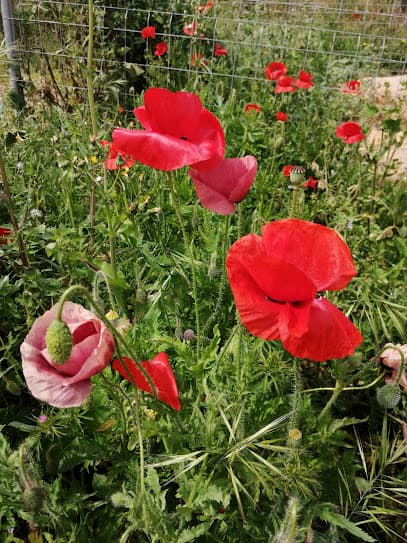
A concrete-and-chlorophyll middle finger to urban neglect, where Nou Barris locals reclaim their right to breathe, drink, and exist far from the suffocating Sagrada Familia crowds.
0.0(0)
Garden
ATTRACTION
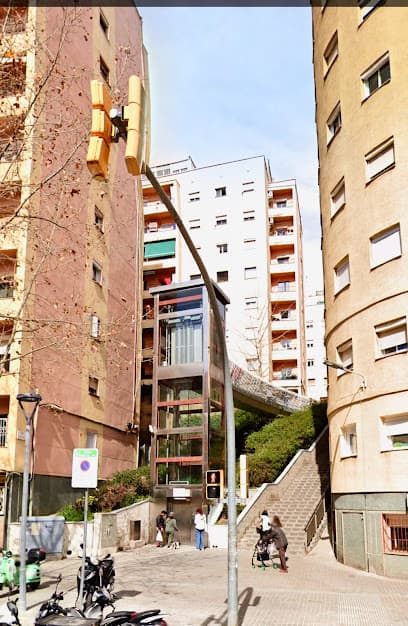
Ascensor Canfranc - Paseo de Fabra y Puig 08031 Nou Barris
Nou Barris
A glass-and-steel lifeline in Nou Barris that saves your knees and offers a gritty, honest view of the Barcelona tourists usually ignore. No gift shops, just gravity-defying utility.
0.0(0)
Hiking area
ATTRACTION
Carrer pimoli42
Nou Barris
The anti-tourist Barcelona. A gritty, honest stretch of Nou Barris where the Gaudí magnets disappear and the real city begins over cheap beer and the smell of rotisserie chicken.
0.0(0)
Tourist attraction
Frequently Asked Questions
Is Plaça de La Terra worth visiting?
Only if you are interested in seeing the authentic, non-touristy side of Barcelona. It is a local neighborhood square, not a major landmark, but it offers a genuine look at life in Nou Barris.
How do I get to Plaça de La Terra?
Take the L3 (Green) or L4 (Yellow) metro line to the Trinitat Nova station. The square is a short walk from the station exit.
What is near Plaça de La Terra?
The Casa de l'Aigua, a historic water pumping station turned cultural center, is about a 10-minute walk away and is well worth a visit for its architecture and history.
Is the area around Plaça de La Terra safe?
Yes, Trinitat Nova is a residential, working-class neighborhood. Like anywhere in a big city, stay aware of your surroundings, but it is generally safe and family-oriented.
Reviews
0 reviews for Plaça de La Terra
No reviews yet. Be the first to share your experience!