4.3
24 verified reviews
About
The Gothic Quarter is a labyrinth designed to eat tourists alive. It’s a dense, suffocating tangle of stone alleys where you’re constantly being funneled toward a shop selling mass-produced magnets or a 'traditional' tapas bar that wouldn't know a real croqueta if it hit them in the face. But then, you stumble into Plaça de la Mercè, and suddenly, the city lets you breathe. It’s not a park, and it’s not a polished museum piece. It’s a wide-open, granite-paved exhale in the middle of the most claustrophobic neighborhood in Europe.
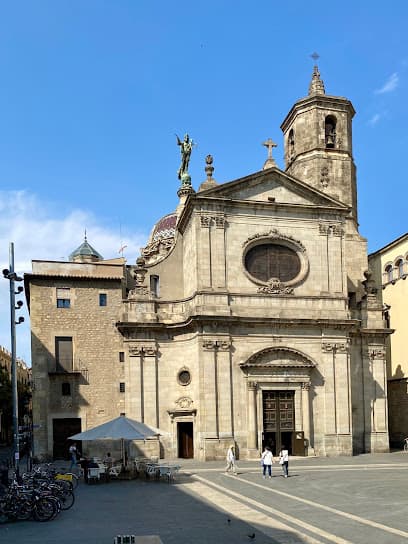
This isn't one of those ancient squares that’s been here since the Romans. In fact, it’s a relatively modern intervention, carved out in the 1980s by knocking down a block of old, crumbling tenements. The result is a space that feels both intentional and accidental. On one side, you have the massive, imposing facade of the Basílica de la Mare de Déu de la Mercè, a baroque beast dedicated to the city’s patron saint. On the other, the back of a university building where students from Pompeu Fabra smoke hand-rolled cigarettes and argue about things that probably seemed very important in the eighties.
At the center of it all stands the Font de Neptú. Neptune looks a bit weary here, like he’s seen too many late nights and too many pigeons. The fountain was moved here from the Barceloneta waterfront decades ago, and it fits the vibe perfectly—a piece of grand history repurposed for a neighborhood that’s constantly reinventing its own grime. The water doesn't always flow, and the basin is often a graveyard for stray leaves, but it’s real. It’s a far cry from the sanitized, Disney-fied version of Barcelona you find five minutes away on La Rambla.
If you want to see the city at its most visceral, come here in late September during the Festa de la Mercè. The square transforms into a chaotic, sweating heap of human towers—castellers—stretching toward the sky while the crowd holds its collective breath. It’s a primal display of Catalan identity. But on a random Tuesday in February? It’s just a place to sit. You’ll see skateboarders practicing kickflips against the church steps, old men sitting on the few available benches staring into the middle distance, and the occasional lost traveler looking at a map with a mix of confusion and relief.
There is a specific smell here, too. It’s the smell of the nearby port—salty, slightly fishy, and occasionally inflected with the diesel of a departing ferry. It reminds you that despite the gentrification and the boutique hotels, Barcelona is still a Mediterranean port city at its core. The light hits the square differently in the late afternoon, turning the stone of the Basilica a deep, honeyed gold that makes even the most jaded traveler stop for a second.
Is Plaça de la Mercè worth it? If you’re looking for a checklist of 'must-see' monuments and a place to buy a sangria for twenty euros, then no. Stay in Plaça Reial. But if you want to see where the Gothic Quarter actually lives, where the students hide from their lectures and where the patron saint watches over the skaters, this is it. It’s honest. It’s a little rough around the edges. It’s exactly what a city square should be: a place for everyone and no one at the same time.
Type
Tourist attraction
Duration
30-45 minutes
Best Time
Late afternoon for the best photography light on the Basilica dome.
What People Say
square(2)
Features
Tourist attraction
Categories
ArchitectureReligious SitePublic SquareHistory
Ticket Prices
Free Admission
No tickets required
Must-See Highlights
The bronze statue of the Virgin Mary atop the Basilica dome
The Font de Neptú (Neptune Fountain) in the center of the square
The baroque interior of the Basilica (check opening hours)
Visitor Tips
Look up at the Basilica dome to see the statue of the Virgin; it's one of the few religious icons that survived the Civil War.
The square is a popular spot for university students, making it a great place for people-watching without the tourist trap vibe.
Combine this with a walk along the nearby waterfront (Moll de la Fusta).
Good For
History buffsArchitecture loversBudget travelersPhotography enthusiasts
Why Visit
The Basilica of Our Lady of Mercy, home to Barcelona's patron saint
The 19th-century Neptune Fountain, a maritime relic moved from the port
A rare open-air 'breathing space' in the dense medieval Gothic Quarter
Nearby Landmarks
- Basílica de la Mercè (0-minute walk)
- Passeig de Colom (2-minute walk)
- Moll de la Fusta (4-minute walk)
- La Rambla (7-minute walk)
Accessibility
- Flat paved surface
- Wheelchair accessible square
- Ramped access to nearby streets
Location
Plaça de la Mercè, 9999
Ciutat Vella, Barcelona
Nearby Hotels
Nearby Restaurants
In Ciutat Vella
ATTRACTION
Park
Ciutat Vella
A thousand years of silence tucked behind a Romanesque monastery, where the grit of El Raval dissolves into ancient stone, cool shadows, and the heavy weight of history.
0.0(0)
Park
ATTRACTION
BARSHELONA
Ciutat Vella
Forget the plastic bulls and tacky magnets. This is where Barcelona’s soul is bottled into art, a small sanctuary of local design hidden in the shadows of the Gothic Quarter.
0.0(0)
Tourist attraction
ATTRACTION
Minajoe art
Ciutat Vella
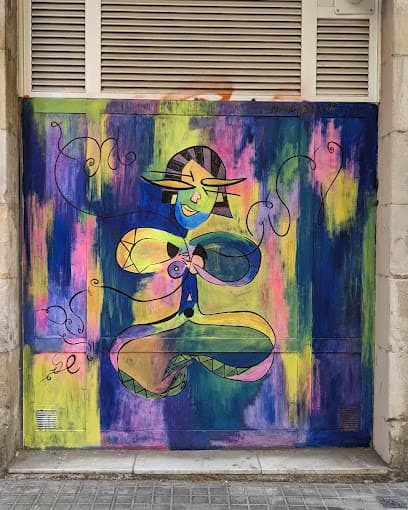
A raw, paint-splattered antidote to the sterile museum circuit. This is where pop-art meets the grit of the street, served straight from the artist’s hands in the heart of old Barcelona.
0.0(0)
Tourist attraction
Frequently Asked Questions
Is Plaça de la Mercè worth visiting?
Yes, especially if you want to see the Baroque Basilica of Our Lady of Mercy and experience a quieter side of the Gothic Quarter away from the main tourist crowds.
What is the best time to visit Plaça de la Mercè?
Late afternoon is best for the golden hour light hitting the church facade, or in late September during the La Mercè festival for traditional Catalan celebrations.
How do I get to Plaça de la Mercè?
It is a 5-minute walk from the Drassanes (L3) or Jaume I (L4) metro stations, located near the waterfront end of the Gothic Quarter.
Are there restaurants in the square?
The square itself is mostly open space, but the surrounding streets are packed with authentic tapas bars and cafes favored by local university students.
Reviews
0 reviews for Plaça de la Mercé
No reviews yet. Be the first to share your experience!