4.5
189 verified reviews
About
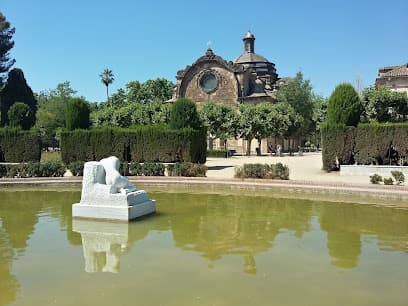
Most people stumble into Parc de la Ciutadella looking for a patch of grass to drink a cheap Estrella or watch some guy in dreadlocks fail at slacklining. They want the sun, the noise, and the chaos of a Mediterranean park. But if you keep walking, past the screaming kids and the faint, unmistakable scent of the nearby zoo, you hit a wall of silence. This is Plaça de Joan Fiveller. It’s the park’s formal living room, and it doesn’t care if you’re having a good time.
Named after a 15th-century city counselor who had the stones to stand up to a king over taxes, the square sits directly in front of the Parlament de Catalunya. The building itself is a massive, sand-colored block of history that started life as an arsenal for the Ciutadella fortress—a structure built by Philip V specifically to keep the rebellious citizens of Barcelona under his thumb. There is an irony, thick as the humidity in August, that this former symbol of military oppression now houses the legislative heart of Catalonia.
The vibe here is different from the rest of the park. It’s manicured, French-style, and often guarded by Mossos d'Esquadra who look like they’ve seen enough political drama to last three lifetimes. The gravel crunches under your boots with a specific kind of weight. You don’t come here to play football; you come here to feel the gravity of the place.
In the center of the square, sitting in the middle of an oval pond, is the real reason to stop: 'Desconsol' (Despair). It’s a sculpture by Josep Llimona, the heavyweight champion of Catalan Modernisme. It’s a woman, carved from stone, collapsed in a state of total, soul-crushing grief. Her face is hidden, her hair spills forward, and she looks like she’s been defeated by the very air around her. It is one of the most beautiful and devastating things in the city. Even though the one in the pond is a replica—the original is tucked away in the Museu Nacional d'Art de Catalunya for safekeeping—it still hits you in the gut. Seeing that much raw emotion surrounded by the rigid, bureaucratic walls of the Parliament is a juxtaposition that only a city like Barcelona could pull off.
Depending on the political climate of the week, the square might be fenced off or crawling with protesters and news crews. It’s the stage where the big dramas of Catalan independence have played out, and you can almost feel the echoes of the speeches and the tension in the air. When it’s quiet, though, it’s one of the best places in Ciutat Vella to just sit and think about how many times this city has been torn down and rebuilt.
Don’t expect a café or a souvenir stand. This isn't a tourist trap; it’s a working piece of the city’s machinery. You come here to pay your respects to the art, acknowledge the weight of the government, and maybe find a moment of peace before heading back out into the sun-drenched madness of the rest of the park. It’s a reminder that Barcelona isn’t just beaches and tapas—it’s a place of deep, old scars and even deeper convictions.
Type
Park, Tourist attraction
What People Say
sculpture(6)parliament(5)book(2)heart(2)fenced(2)
Features
Park
Tourist attraction
Categories
ArchitectureHistorySculptureGovernment
Opening Hours
- MondayOpen 24 hours
- TuesdayOpen 24 hours
- WednesdayOpen 24 hours
- ThursdayOpen 24 hours
- FridayOpen 24 hours
- SaturdayOpen 24 hours
- SundayOpen 24 hours
Accessibility
- Wheelchair accessible paths
- Flat terrain
- Outdoor public space
Location
Pas de l'Institut Escola, 17.I
Ciutat Vella, Barcelona
Nearby
ATTRACTION
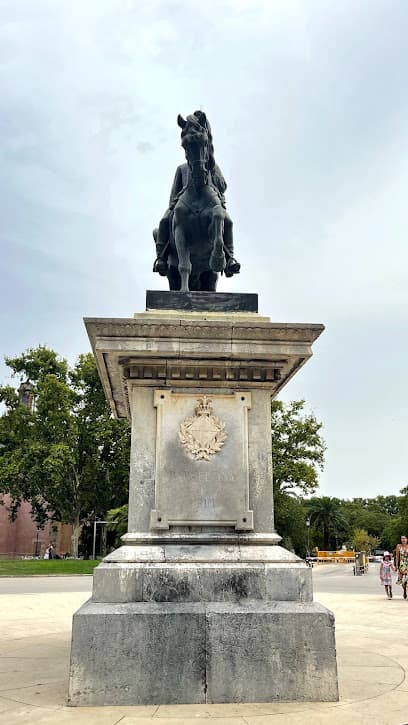
Equestrian statue to General Joan Prim
200 m · Ciutat Vella
A bronze ghost in Parc de la Ciutadella that was once melted down for anarchist bullets. This isn't just a general on a horse; it's a survivor of Spain’s violent, lead-filled history.
4.2(425)
MonumentTourist attraction
ATTRACTION
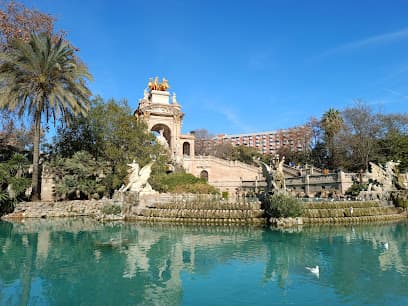
Ciutadella Park
200 m · Ciutat Vella
Barcelona’s backyard where military ghosts meet drum circles, Gaudi’s early flex on a fountain, and a life-sized stone mammoth that has seen more than its fair share of weirdness.
4.6(72K)
Park

RESTAURANT
Restaurant Leon
€€€350 m · Ciutat Vella
A salt-crusted, protein-heavy temple across from Estació de França where the picaña flows like water and the burrata is surprisingly, gloriously out of place. Meat sweats guaranteed.
4.6(1K)
Restaurant
RESTAURANT
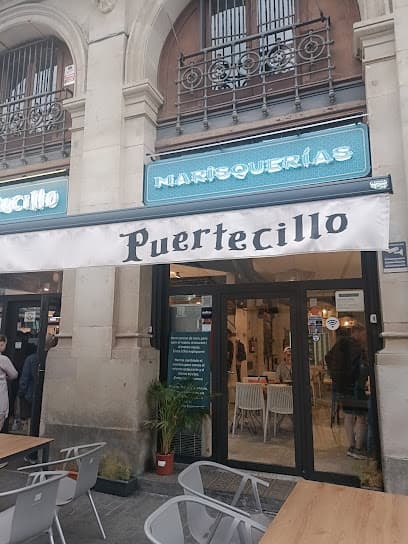
Puertecillo Born
€€350 m · Ciutat Vella
It’s a seafood brawl in El Born where you pick your prey from a bed of ice, pay by the kilo, and wait for the kitchen to scream your number over the roar of the crowd. No frills, just fish.
4.5(5K)
Seafood restaurant
HOTEL
Borneta
€€€350 m · Ciutat Vella
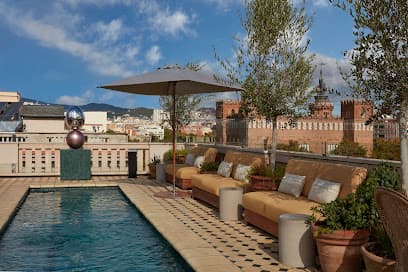
A sharp, design-forward sanctuary facing the Ciutadella greenery, where the grit of El Born meets a rooftop pool and cocktails that actually pack a punch.
4.5(1K)
Hotel
HOTEL
chic&basic Zoo Hotel
€400 m · Ciutat Vella
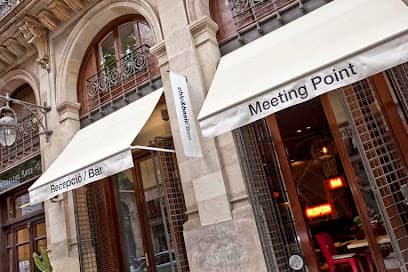
A stripped-back, industrial-chic crash pad in El Born where the park is your front yard and the coffee is free. No frills, just a damn good place to sleep in the heart of the city.
3.7(218)
Hotel
Frequently Asked Questions
Is Plaça de Joan Fiveller worth visiting?
Yes, especially for art lovers and history buffs. It offers a quiet, dignified contrast to the busier parts of Parc de la Ciutadella and houses the 'Desconsol' sculpture.
Can you go inside the Parliament building?
The Parliament of Catalonia is generally closed to the public except for pre-arranged guided tours or during special open-house days like Diada (September 11th).
What is the famous statue in the middle of the square?
It is 'Desconsol' (Despair) by Josep Llimona, a defining work of Catalan Modernisme depicting a woman in deep mourning.
How do I get to Plaça de Joan Fiveller?
It is located inside Parc de la Ciutadella. The easiest way is to enter the park from the Passeig de Picasso or the entrance near the Barcelona Zoo.
Who was Joan Fiveller?
A 15th-century Barcelona city counsellor remembered for standing up to the king over taxes. The square in Parc de la Ciutadella that carries his name sits in front of the Parliament of Catalonia.
Reviews
0 reviews for Plaça de Joan Fiveller
No reviews yet. Be the first to share your experience!