4.0
5 verified reviews
About
If you’ve spent the last three days dodging human statues on La Rambla or elbowing your way through the humid, frantic aisles of La Boqueria, you’re probably ready to call it quits on the whole 'Barcelona experience.' You’re tired. Your feet hurt. You’ve had enough 'curated' authenticity to last a lifetime. That’s when you get on the L1 metro, head northeast, and get off at Clot. You walk a few blocks away from the noise and stumble into Plaça de Joan Casanelles.
This isn't a place that features on the glossy covers of travel magazines. There are no soaring Gothic spires here, no whimsical Gaudí chimneys, and definitely no shops selling mass-produced ceramic lizards. It’s a square. A park. A piece of the city that belongs entirely to the people who live in the surrounding apartment blocks. It’s the kind of place where the primary activities are walking the dog, watching your kid not fall off a slide, and sitting on a bench staring at nothing in particular while the afternoon sun hits the pavement.
In the center of this space stands a massive, twelve-meter-tall iron sculpture by Antoni Roselló. It’s a tribute to Joan Casanelles i Ibars, a man whose life story reads like a summary of 20th-century Catalan struggle—a lawyer, a politician, a member of the Republican government who spent decades in exile in Mexico before returning to his home soil. The monument itself is industrial, sharp, and unapologetic. It looks like a futuristic chimney or a forgotten piece of dockyard machinery, a nod to the neighborhood’s working-class roots. It doesn't ask for your admiration; it just stands there, weathering the salt air and the pigeons.
The atmosphere here is thick with the mundane, beautiful reality of Sant Martí. You’ll see old men in flat caps discussing the merits of the local football team with a level of passion usually reserved for religious crusades. You’ll see teenagers trying to look bored while secretly checking their reflections in shop windows. This is the real Sant Martí, a district that was once the 'Catalan Manchester' due to its industrial might, now transformed into a patchwork of residential pockets and tech hubs.
Is Plaça de Joan Casanelles worth visiting? If you’re looking for a 'must-see' attraction to tick off your list, then no. Stay in the Gothic Quarter. But if you want to understand how this city actually breathes when the tourists aren't looking, it’s essential. It’s a palate cleanser. It’s the quiet moment between the frantic courses of a heavy meal. You come here to sit. You come here to realize that Barcelona isn't just a museum or a theme park—it’s a living, breathing, sometimes grumpy organism that doesn't care if you like it or not.
Around the edges of the square, you’ll find the kind of bars that don't have English menus. They serve cold beer, salty olives, and vermouth that comes from a tap. There’s no pretense. No one is trying to 'disrupt' the hospitality industry here. They’re just serving drinks to people they’ve known for thirty years. It’s honest. It’s raw. And in a city that is increasingly being polished for foreign consumption, a place like Plaça de Joan Casanelles feels like a goddamn miracle.
Type
Park
Duration
30-45 minutes
Best Time
Late afternoon when the neighborhood comes alive with families and locals finishing work.
Features
Park
Categories
SculptureLocal LifePlaygroundUrban Space
Ticket Prices
Free Admission
No tickets required
Opening Hours
- MondayOpen 24 hours
- TuesdayOpen 24 hours
- WednesdayOpen 24 hours
- ThursdayOpen 24 hours
- FridayOpen 24 hours
- SaturdayOpen 24 hours
- SundayOpen 24 hours
Must-See Highlights
The 'A Joan Casanelles' iron monument
The local playground scene
The surrounding traditional neighborhood bars
Visitor Tips
Combine a visit here with a trip to the nearby Mercat del Clot for a real taste of local life.
Don't expect English-speaking staff in the immediate cafes; bring a few Spanish or Catalan phrases.
It's a great spot for a quiet read or to people-watch without being hassled by vendors.
Good For
FamiliesBudget travelersSolo travelersArchitecture enthusiasts
Why Visit
Zero tourist density for a truly local experience
Striking 12-meter industrial sculpture by Antoni Roselló
Authentic El Clot neighborhood atmosphere away from the city center
Nearby Landmarks
- Mercat del Clot (5-minute walk)
- Parc del Clot (8-minute walk)
- Torre Glòries (15-minute walk)
- Design Museum of Barcelona (15-minute walk)
Accessibility
- Flat paved surfaces
- Accessible by wheelchair
- Benches available
Location
Pça. de Valentí Almirall, 8
Sant Martí, Barcelona
Nearby Hotels
Nearby Restaurants
In Sant Martí
ATTRACTION
LOS CERDINS HOUSE
Sant Martí
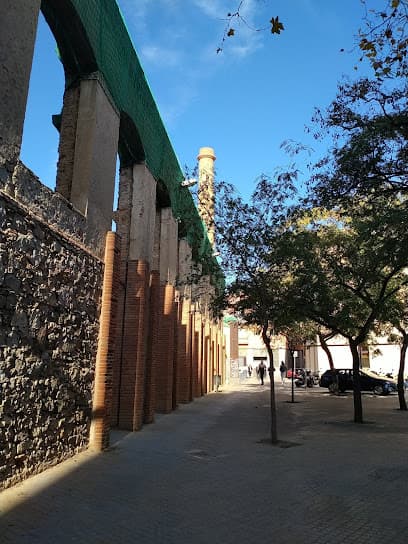
A raw, repurposed industrial relic in the heart of Sant Martí, Los Cerdins House is a testament to the neighborhood's manufacturing soul, where red-brick history meets the sharp, creative edge of modern Barcelona.
0.0(0)
Tourist attraction
ATTRACTION
Pista de frontó
Sant Martí
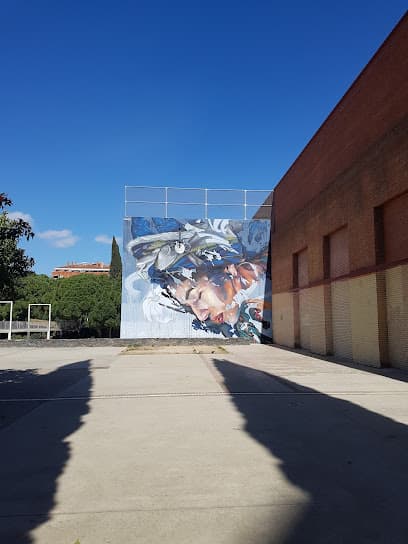
A sun-baked slab of concrete where the rhythmic thwack of a ball against stone serves as the soundtrack to a neighborhood still clinging to its gritty, industrial Poblenou soul.
0.0(0)
Park
ATTRACTION
Saraya Express
Sant Martí
A specialized travel outpost tucked away in Sant Martí. Saraya Express is where the logistics of a trip to Cairo meet the grit of Barcelona’s daily grind, far from the tourist-trap fluff.
0.0(0)
Tourist attraction
Frequently Asked Questions
Is Plaça de Joan Casanelles worth visiting?
Only if you want to escape the tourist crowds and see a genuine, residential side of Barcelona. It is a quiet neighborhood square, not a major landmark with 'sights' to see.
What is the sculpture in Plaça de Joan Casanelles?
The 12-meter iron monument is a tribute to Joan Casanelles i Ibars, a Catalan politician and lawyer, created by artist Antoni Roselló in the mid-1980s.
How do I get to Plaça de Joan Casanelles?
The easiest way is via the Barcelona Metro. Take the L1 (Red Line) or L2 (Purple Line) to the Clot station; the square is a short 5-minute walk from there.
Are there things to do for kids at Plaça de Joan Casanelles?
Yes, the square features a standard children's playground and plenty of open space for kids to run around, making it a popular spot for local families.
Reviews
0 reviews for Plaça de Joan Casanelles
No reviews yet. Be the first to share your experience!