3.9
79 verified reviews
About
If you’re looking for the Barcelona of the postcards—the one with the sparkling Mediterranean light and the Gaudí curves—you’ve taken the wrong turn. Plaça de Ferran Reyes isn’t interested in your aesthetic. It’s a triangular wedge of concrete and gravel pinned between the roaring Avinguda Meridiana and the residential blocks of Navas. It is, in every sense, the unvarnished heart of a neighborhood that doesn’t give a damn if you’re there or not. And that is exactly why it’s worth your time.
This is Sant Andreu, or more specifically, the Navas slice of it. It’s a place where the air smells of diesel from the nearby arterial roads and the cheap tobacco of men who have seen enough of the world to know that a well-placed metal ball is more important than your Instagram feed. The first thing you’ll notice isn’t the greenery—because there isn’t much of it—but the sound. It’s the rhythmic, metallic 'clack' of petanque. This is the serious business of the neighborhood elders. They gather here with the intensity of high-stakes gamblers, measuring distances with squinted eyes and calloused hands. It’s a ritual as old as the city itself, played out on a patch of dirt that most tourists would walk right past.
In the center of this urban clearing stands the 'Monument als Reis Mags d'Orient'—the Monument to the Three Kings. Created by Alfons de la Torre in the mid-90s, it’s a bronze tribute to the Biblical Magi who, in Spain, are a much bigger deal than the fat man in the red suit. This plaza is the spiritual home of the Three Kings in this part of town; it’s where the magic starts during the Epiphany parade, but for the rest of the year, the statue stands as a silent sentinel over the playground chaos. It’s a bit weird, a bit surreal, and entirely local.
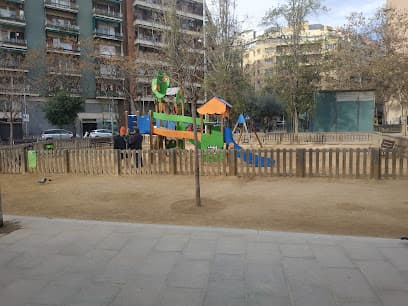
The playground is the other pole of the plaza’s energy. It’s a cacophony of screaming kids and parents who look like they’ve been drinking too much espresso. There’s no curated 'experience' here. There are no artisanal coffee stands or shops selling overpriced tote bags. There’s just the raw, unfiltered energy of a Barcelona neighborhood doing what it does best: existing. You come here to see the city breathe. You come here to sit on a bench that’s seen better days and watch the sunset hit the brickwork of the surrounding apartments while the old guard argues over a petanque point.
Is it 'best parks Barcelona' material? Not if you’re looking for roses and fountains. But if you want to understand the soul of the city outside the Gothic Quarter bubble, this is it. It’s honest. It’s gritty. It’s the kind of place where you realize that the real Barcelona isn't found in a museum, but in the spaces between the buildings where people actually live. It’s a reminder that the city belongs to the people who play petanque at 11:00 AM on a Tuesday, not the people with the selfie sticks. If you can’t appreciate the beauty in that, you’re in the wrong city.
Type
Park
What People Say
kids(5)petanque(3)biblical magi(2)
Features
Park
Categories
Public SquareSculptureLocal CulturePlayground
Accessibility
- Flat paved surfaces
- Ramped access to the plaza
- Accessible from Navas Metro (with elevator)
Location
Sant Andreu, Barcelona
Nearby
ATTRACTION
Jardins de Maria Soteras Mauri
150 m · Sant Andreu
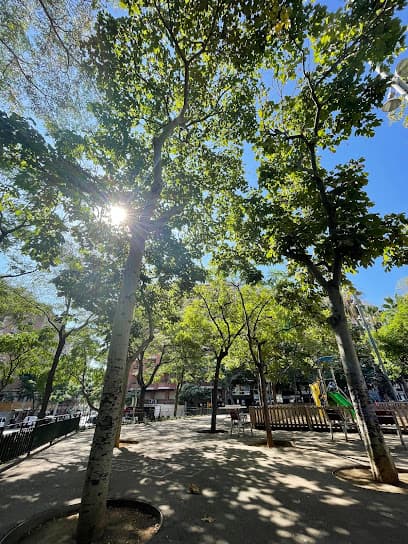
A quiet interior courtyard garden in Sant Andreu named for a legal pioneer, offering a rare breath of silence away from the relentless exhaust of Avinguda Meridiana.
5.0(2)
Park
ATTRACTION
Plaça de la Guineu
200 m · Sant Andreu
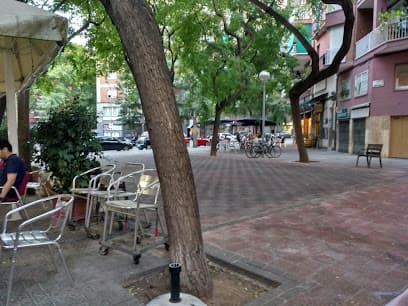
A gritty, unvarnished slice of Sant Andreu where a metal fox watches over cheap beer, clattering tapas plates, and the raw, noisy heartbeat of real Barcelona life.
3.5(140)
Park

RESTAURANT
El Rincon Dominicano Bcn
€€100 m · Sant Andreu
A loud, grease-slicked temple of Dominican soul in Sant Andreu where the bachata is heavy, the mofongo is garlic-loaded, and the fritada platters could feed a small army.
4.8(968)
Restaurant
RESTAURANT
HASTA LOS ANDARES Barcelona - Meridiana (Taberna / Tapas Bar / Jamon/ Spanish Food/ Wine)
100 m · Sant Andreu
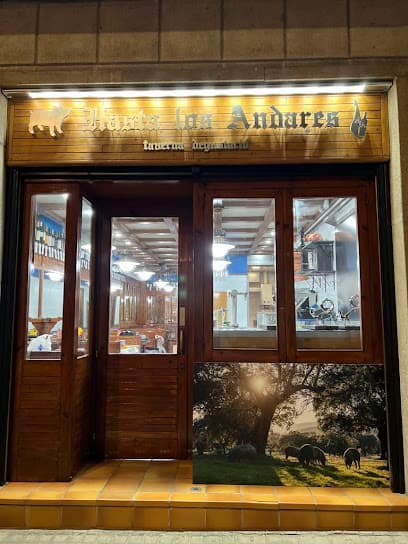
A temple to the pig in Sant Andreu where Jamón Ibérico is sliced with surgical precision and the wine flows without the pretense of the city center. Just high-grade fat and honest wine.
4.8(179)
Tapas bar
HOTEL
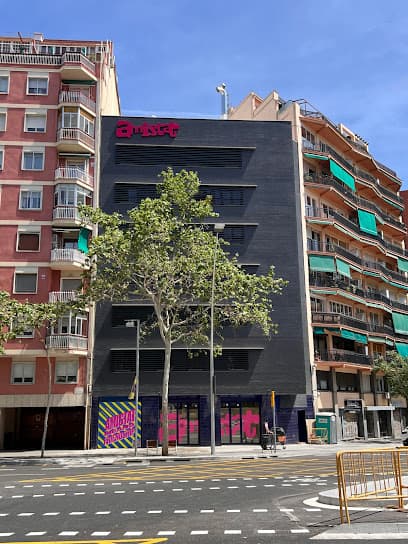
AMISTAT City Hostel Barcelona
€150 m · Sant Andreu
A no-bullshit basecamp in Sant Andreu where privacy pods and a direct metro line beat the overpriced chaos of the city center every single time. It's clean, honest, and smart.
4.2(141)
Lodge
HOTEL
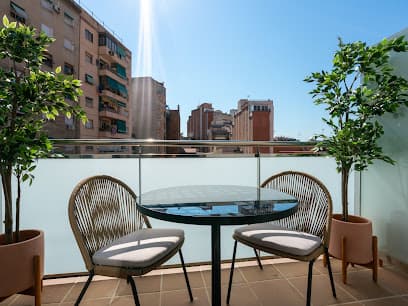
limehome Barcelona Carrer de Besalú 82
€€€250 m · Sant Martí
No lobby, no concierge, no bullshit. Just a clean room, a digital code, and a balcony in Sant Martí—a neighborhood that hasn't yet sold its soul to the cruise ship crowds.
4.2(86)
Hotel
Frequently Asked Questions
Is Plaça de Ferran Reyes worth visiting?
Only if you want to see an authentic, non-touristy side of Barcelona. It’s a local residential square, not a major landmark, but great for people-watching and seeing the Three Kings monument.
What is the monument in the square?
It is the 'Monument als Reis Mags d'Orient' (Monument to the Three Kings), a bronze sculpture by Alfons de la Torre dedicated to the Magi who bring gifts on January 6th.
How do I get to Plaça de Ferran Reyes?
The easiest way is via the Barcelona Metro. Take the L1 (Red Line) to the Navas station; the plaza is just a two-minute walk from the exit.
Is it good for families?
Yes, it features a dedicated children's playground and plenty of space for kids to run around, though it is bordered by busy streets, so keep an eye on them.
Reviews
0 reviews for Plaça de Ferran Reyes
No reviews yet. Be the first to share your experience!