5.0
2 verified reviews
About
Avinguda Meridiana is a scar. It is a multi-lane river of steel, rubber, and carbon monoxide that cuts through the northern gut of Barcelona. It is loud, it is hot, and it is relentlessly indifferent to your soul. But if you know where to turn, if you slip through the right gap in the wall of apartment blocks near the Navas metro station, the volume suddenly drops. You find yourself in the Jardins de Maria Soteras Mauri, and for a second, you can actually hear yourself think.
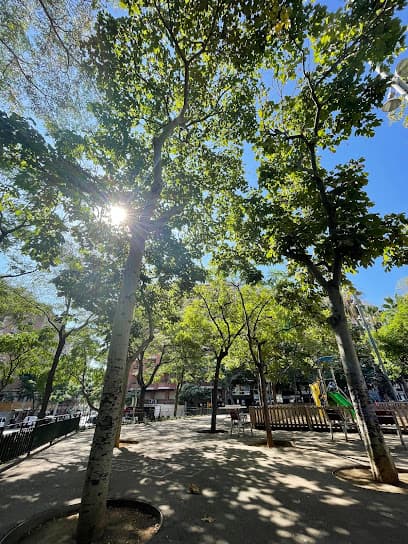
This isn't a park in the way the tourism boards want you to think of parks. There are no sprawling lawns for frisbee, no ornate fountains, and definitely no guys in oversized lizard suits trying to charge you five euros for a photo. This is an 'interior d'illa'—a courtyard garden reclaimed from the dense urban grid. It is a functional, honest piece of architecture designed to give the people living in the surrounding blocks a place to breathe without inhaling a bus's tailpipe. It’s a concrete and green lung tucked away from the chaos.
The name on the sign matters. Maria Soteras Mauri wasn’t some forgotten aristocrat or a general who won a battle nobody remembers. She was a titan of a different sort. In 1927, she became the first woman to graduate in law from the University of Barcelona, and later, the first woman to join the Barcelona Bar Association. She practiced during a time when the idea of a woman in a courtroom was considered an affront to the natural order. This space, opened recently to honor her legacy, feels appropriate. It’s a quiet, persistent victory over the gray sprawl of the city.
Inside, the design is modern and minimalist. You’ve got the standard-issue Barcelona playground equipment—the kind designed to be indestructible—where local kids from the Sant Andreu district burn off energy while their parents stare into the middle distance. There are benches occupied by the neighborhood’s 'iaias,' the grandmothers who serve as the unofficial intelligence agency of the barrio, watching everything with eyes that have seen it all. The greenery is still maturing, but it provides enough shade to make a summer afternoon bearable.
The architecture of the surrounding buildings creates a strange, theatrical vibe. Hundreds of balconies look down into the garden like private boxes in an opera house. You see laundry hanging, you hear the muffled sound of a television, the clink of a spoon against a coffee cup. It is an intimate look at the real Barcelona—the one that exists when the cruise ships leave and the shutters go down. It’s not 'charming' in a postcard way; it’s authentic in a way that hurts a little.
Is it worth the trek? If you are looking for the spectacular, no. Stay in the Gothic Quarter and fight the crowds. But if you find yourself in Sant Andreu, exhausted by the sun and the noise of the Meridiana, this place is a godsend. It is a reminder that cities can be human-centric if they try hard enough. It’s a place to sit with a cheap coffee, watch the light hit the brickwork, and appreciate the fact that someone had the decency to build a wall against the noise. It’s a small, quiet tribute to a woman who broke barriers, and a necessary refuge for the people who keep this city running.
Type
Park
Features
Park
Categories
Urban GardenLocal HistoryPlayground
Opening Hours
- MondayOpen 24 hours
- TuesdayOpen 24 hours
- WednesdayOpen 24 hours
- ThursdayOpen 24 hours
- FridayOpen 24 hours
- SaturdayOpen 24 hours
- SundayOpen 24 hours
Accessibility
- Flat paved surfaces
- Step-free entrance
- Accessible benches
Location
Avinguda Meridiana, 248
Sant Andreu, Barcelona
Nearby
ATTRACTION
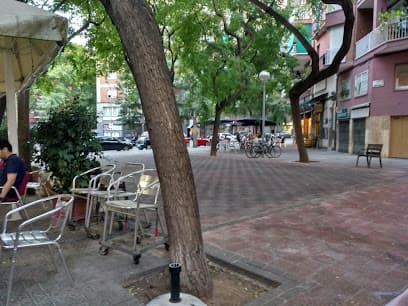
Plaça de la Guineu
100 m · Sant Andreu
A gritty, unvarnished slice of Sant Andreu where a metal fox watches over cheap beer, clattering tapas plates, and the raw, noisy heartbeat of real Barcelona life.
3.5(140)
Park

ATTRACTION
Plaça d'Islàndia
100 m · Sant Andreu
A sun-baked slab of 90s urbanism in Sant Andreu where a concrete 'geyser' attempts to channel Reykjavik in the middle of a working-class Barcelona block.
3.8(479)
Park
RESTAURANT
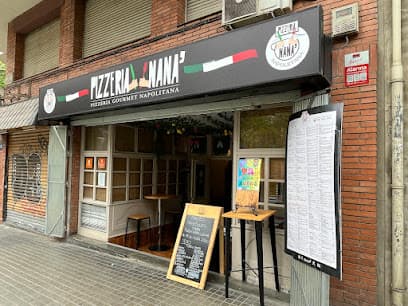
Pizzeria Nanà
€€50 m · Sant Andreu
Forget the frozen discs in the Gothic Quarter; this is Neapolitan soul in a working-class barrio where the crust blisters and the burrata bleeds like a beautiful, creamy crime scene.
4.6(1K)
Italian restaurantPizza restaurant

RESTAURANT
El Rincon Dominicano Bcn
€€50 m · Sant Andreu
A loud, grease-slicked temple of Dominican soul in Sant Andreu where the bachata is heavy, the mofongo is garlic-loaded, and the fritada platters could feed a small army.
4.8(968)
Restaurant
HOTEL
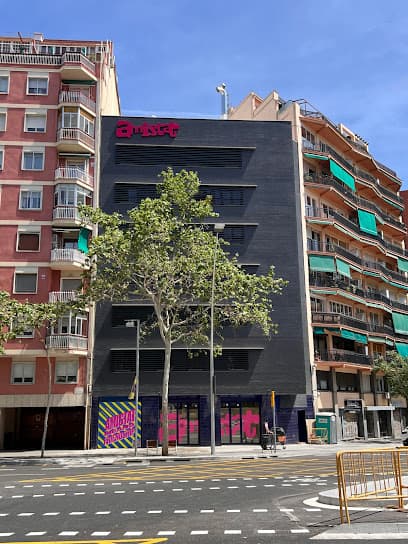
AMISTAT City Hostel Barcelona
€150 m · Sant Andreu
A no-bullshit basecamp in Sant Andreu where privacy pods and a direct metro line beat the overpriced chaos of the city center every single time. It's clean, honest, and smart.
4.2(141)
Lodge
HOTEL
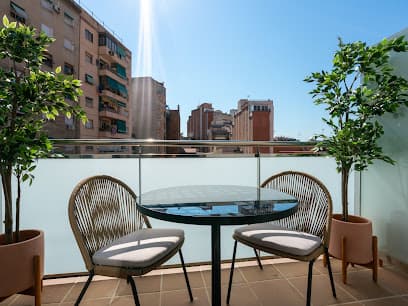
limehome Barcelona Carrer de Besalú 82
€€€250 m · Sant Martí
No lobby, no concierge, no bullshit. Just a clean room, a digital code, and a balcony in Sant Martí—a neighborhood that hasn't yet sold its soul to the cruise ship crowds.
4.2(86)
Hotel
Frequently Asked Questions
Is Jardins de Maria Soteras Mauri worth visiting?
Only if you are already in the Sant Andreu or Navas area and need a quiet break from the city noise. It is a small, functional neighborhood park, not a major tourist attraction.
Who was Maria Soteras Mauri?
She was a pioneering legal figure, the first woman to graduate in law from the University of Barcelona (1927) and the first female member of the Barcelona Bar Association.
How do I get to Jardins de Maria Soteras Mauri?
The easiest way is via the Barcelona Metro. Take Line 1 (Red) to the Navas station; the gardens are a short 5-minute walk from the exit, tucked behind Avinguda Meridiana.
Is there an entrance fee for the gardens?
No, it is a public municipal park and entrance is completely free for everyone.
Reviews
0 reviews for Jardins de Maria Soteras Mauri
No reviews yet. Be the first to share your experience!