About
If you’re looking for the crumbling stone and gothic gargoyles of the tourist brochures, you’ve wandered into the wrong neighborhood. Plaça de Dolors Vives isn’t trying to sell you a postcard version of Barcelona. Located in the heart of Sant Martí, specifically within the sprawling urban experiment known as the 22@ district, this square is a testament to the city’s relentless need to reinvent itself. It’s a place where the ghosts of 19th-century textile mills are being paved over by the sleek, somewhat sterile ambitions of a high-tech future.
The square is named after Dolors Vives Rodon, a woman who, in the 1930s, decided that the ground was too crowded and took to the skies as one of Catalonia’s first female pilots. She flew reconnaissance during the Civil War, a pioneer in a time when most women were expected to stay firmly planted in the kitchen. There is a certain irony in naming a flat, grounded urban space after a woman who lived for the clouds, but that’s Barcelona for you—always looking for a way to honor its rebels, even in the middle of a redevelopment project.
When you walk into the square today, you aren’t hit with the scent of jasmine or the sound of a Spanish guitar. You get the hum of the nearby Gran Via and the sight of modern apartment blocks that look like they were designed on a very expensive laptop. It’s a functional space. You’ll see office workers from the nearby tech hubs hunched over salads during their thirty-minute reprieve from the screen. You’ll see local kids from the surrounding blocks—the ones who haven’t been priced out yet—kicking a ball against the concrete with a rhythmic thud that echoes off the glass facades.
Is it 'beautiful' in the traditional sense? Probably not. It’s a bit stark, a bit grey, and in the height of a Mediterranean July, it can feel like a frying pan. But it’s honest. It represents the actual, living Barcelona of 2025—a city trying to balance its industrial heritage with the demands of a modern workforce. The landscaping is deliberate: hardy trees that are still fighting to provide a decent canopy, benches that favor clean lines over comfort, and an openness that feels like a luxury in a city as dense as this one.
For the traveler, the question is always: 'Is it worth the trek?' If you’re staying in the Eixample and want a quick hit of Gaudí, then no, stay where you are. But if you want to understand how this city actually breathes, how it’s moving away from the sea and the old center toward something more calculated and contemporary, then a walk through Sant Martí is mandatory. This square is a waypoint on that journey. It’s a place to sit, light a cigarette, and realize that the 'real' Barcelona isn't just the one they show you in the movies. It’s also here, in the shadows of the 22@, where the air smells like dry pavement and the future is being built one concrete slab at a time. It’s a quiet, unsentimental tribute to a woman who broke barriers, situated in a neighborhood that is currently breaking its own.
Type
Park
Features
Park
Categories
Urban SpaceHistoryFeminist Landmarks
Accessibility
- Fully wheelchair accessible
- Flat paved surfaces
- No stairs
Location
Carrer del Perú, 239
Sant Martí, Barcelona
Nearby
ATTRACTION
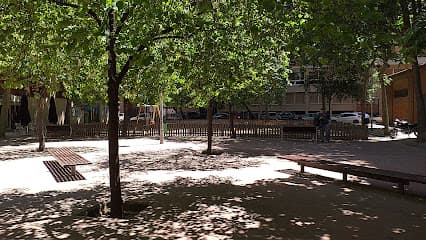
Jardins d'Ana Figuera
300 m · Sant Martí
A gritty, honest slice of Sant Martí where the poetry of Ana Figuera meets the reality of concrete blocks, screaming toddlers, and the quiet, unvarnished dignity of a neighborhood park.
3.8(35)
City park
ATTRACTION
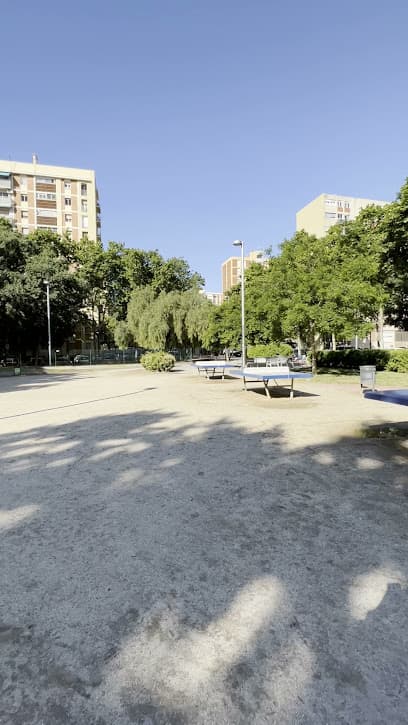
Plaça d'Eduard Torroja
300 m · Sant Martí
A raw slice of Sant Martí where the sound of basketballs and local life drowns out the tourist chatter. No Gaudí here, just concrete, community, and the unvarnished reality of Barcelona.
3.8(43)
Park
RESTAURANT
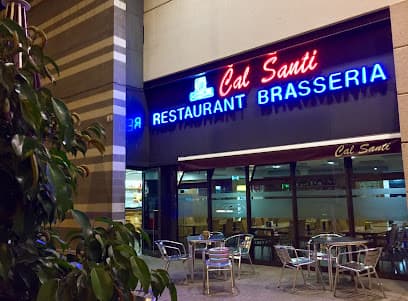
Restaurant Cal Santi
€€200 m · Sant Martí
A gritty, no-nonsense temple of the charcoal grill on the industrial edge of Sant Martí, where workers fuel up on cap i pota and wood-fired lamb far from the tourist gaze.
4.2(166)
RestaurantGrill
RESTAURANT
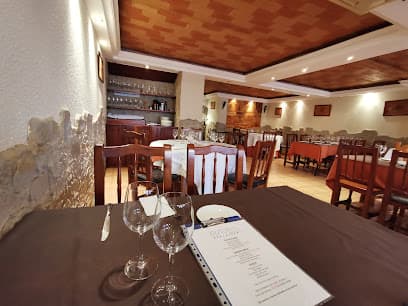
Restaurant Les Caves
€€250 m · Sant Martí
A gritty, no-nonsense Sant Martí stronghold where the menú del día is king and the paella tastes like a Sunday afternoon at your grandmother's house, minus the family drama.
4.1(446)
RestaurantMediterranean restaurant

HOTEL
The Social Hub Barcelona Poblenou
€450 m · Sant Martí
A glass-and-steel temple to the digital nomad life in Poblenou, where rooftop pools and coworking desks collide in a neighborhood that traded textile mills for tech startups.
4.4(558)
HotelExtended stay hotel
HOTEL
Hotel Barcelona Condal Mar Affiliated by Meliá
€500 m · Sant Martí
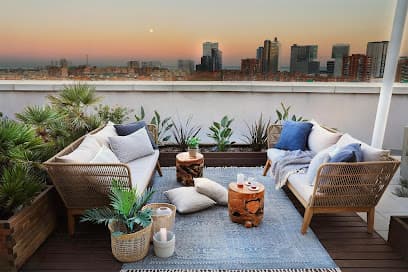
A glass-and-steel cylinder in the tech-heavy Sant Martí, offering a rooftop escape from the Gothic Quarter’s claustrophobia and a cold drink with a view of the Mediterranean horizon.
4.1(1K)
Hotel
Frequently Asked Questions
Is Plaça de Dolors Vives worth visiting?
Only if you are interested in modern urban planning or the history of the 22@ district. It is a local neighborhood square, not a major tourist landmark with historical monuments.
Who was Dolors Vives?
She was a pioneering Catalan aviator and one of the first women in Spain to earn a pilot's license, serving as a reconnaissance pilot during the Spanish Civil War.
How do I get to Plaça de Dolors Vives?
The easiest way is via the L1 Metro (Red Line) to Glòries or the L2 (Purple Line) to Bac de Roda, followed by a 10-15 minute walk into the Sant Martí neighborhood.
Reviews
0 reviews for Plaça de Dolors Vives
No reviews yet. Be the first to share your experience!