4.5
2 verified reviews
About
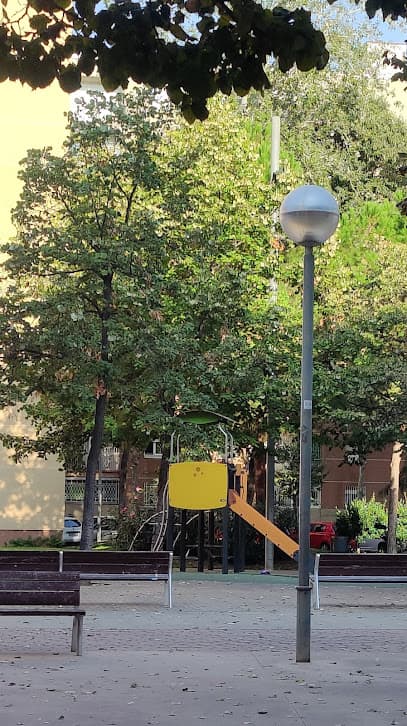
If you’re looking for the Barcelona of the postcards—the one with the shimmering mosaics, the overpriced sangria, and the slow-moving herds of selfie-stick-wielding tourists—you’ve taken a very wrong turn. Plaça de Artur Martorell isn't a destination; it’s a punctuation mark in the middle of Sant Martí, a neighborhood that doesn’t give a damn about your travel itinerary. This is the real city. It’s a slab of public space hemmed in by the functional, high-rise architecture of La Verneda i la Pau, where the air smells like laundry detergent and diesel rather than sea salt and lavender.
Named after Artur Martorell, a man who spent his life trying to revolutionize Catalan education, the square feels appropriately like a classroom of the mundane. It’s a place where the social fabric of the barrio is visible to anyone who bothers to sit still for ten minutes. You won't find any 'hidden gems' here, just the hard-earned reality of a working-class district. The ground is paved with the kind of sturdy stone meant to withstand decades of scuffing boots and bouncing footballs. There are trees, sure, but they aren't there for aesthetics; they’re there to provide a desperate patch of shade for the old men who occupy the benches with the permanence of statues.
To understand things to do in Sant Martí, you have to understand the rhythm of the square. In the morning, it’s the brisk transit of people heading to the metro, clutching coffee in paper cups. By mid-afternoon, the energy shifts. The school bells ring, and the space is suddenly colonized by kids in tracksuits, their shouts echoing off the surrounding apartment blocks. This is when the square is at its most honest. It’s a communal living room for people whose actual living rooms are likely cramped and overlooking a narrow street. There is no pretension here. No one is trying to sell you a tour or a cheap souvenir. If you’re sitting on a bench, you’re just another person taking a load off.
The surrounding architecture is a brutalist reminder of Barcelona’s rapid expansion in the mid-20th century. It’s not 'charming' in the way the Gothic Quarter is, but it has a soul that the center lost years ago. It’s the kind of place where you can find a corner bar that still serves a decent glass of vermouth for a price that doesn't make you want to call the police. You watch the grandmothers navigate the curbs with their shopping trolleys, the teenagers huddled over phones, and the occasional dog walker who seems to know everyone by name. It’s a slow-motion theater of the everyday.
Is Plaça de Artur Martorell worth visiting? If you want to see how the people who actually keep this city running live, then yes. It’s an antidote to the Disney-fication of the city center. It’s a reminder that Barcelona is more than just a museum of Gaudí buildings; it’s a living, breathing, sometimes grimy, but always authentic organism. Come here when you’re tired of being a tourist and just want to be a ghost for an hour, watching the world go by in a neighborhood that couldn't care less that you're there.
Type
Park
Features
Park
Categories
Public SquareLocal LifeUrban Space
Accessibility
- Flat paved surfaces
- Accessible benches
- Street-level entry
Location
Carrer d'Andrade, 256
Sant Martí, Barcelona
Nearby
ATTRACTION
Plaça de la Cultura
100 m · Sant Martí
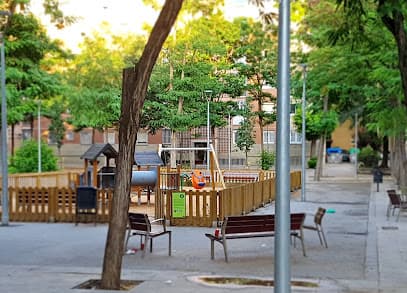
Forget the Gothic Quarter's polished lies. This is Sant Martí: concrete, kids on swings, and the unvarnished rhythm of a Barcelona that doesn't care if you like it or not.
4.2(43)
Park

ATTRACTION
Plaça de Conchita Badia 1
200 m · Sant Martí
A concrete slice of the real Sant Martí where the ghost of a legendary soprano haunts the shadows of high-rise apartments and local life unfolds without a filter.
3.7(65)
Park
RESTAURANT
La Cantonada de Prim
€€50 m · Sant Martí
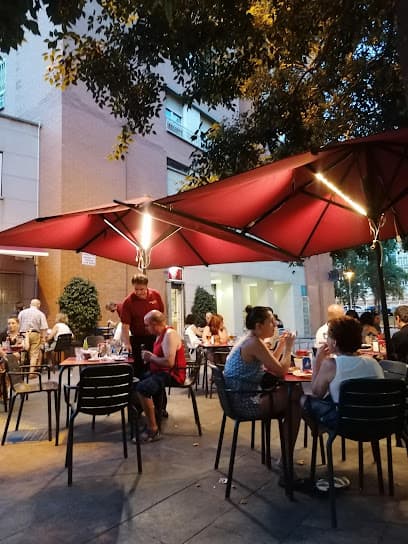
A gritty, glorious corner of Sant Martí where the bravas are spicy, the beer is ice-cold, and the tourists are nowhere to be found. This is the real Barcelona, served on a terrace.
4.0(1K)
Tapas restaurantBar
RESTAURANT
El Porxo
€€250 m · Sant Martí
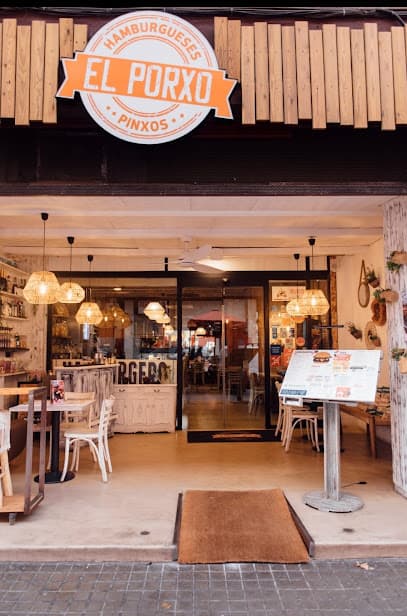
A gritty-cool sanctuary in Sant Martí where the burgers are thick, the cheesecakes are legendary, and the tourists are nowhere to be found. Real food for real people.
4.5(828)
Hamburger restaurantBar & grill
HOTEL
Hotel Barcelona Condal Mar Affiliated by Meliá
€950 m · Sant Martí
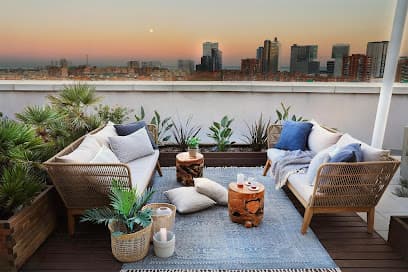
A glass-and-steel cylinder in the tech-heavy Sant Martí, offering a rooftop escape from the Gothic Quarter’s claustrophobia and a cold drink with a view of the Mediterranean horizon.
4.1(1K)
Hotel
HOTEL
Hotel Vincci Bit
€1.1 km · Sant Martí
A street-art gallery disguised as a hotel in Sant Martí. Forget beige walls; expect bold murals, a rooftop plunge pool, and a vibe that’s more urban edge than Gothic romance.
4.3(2K)
Hotel
Frequently Asked Questions
Is Plaça de Artur Martorell worth visiting?
Only if you are looking for an authentic, non-touristy glimpse into local life in the Sant Martí district. It is a functional neighborhood square, not a major architectural landmark.
How do I get to Plaça de Artur Martorell?
The easiest way is via the Barcelona Metro. Take the L2 (Purple Line) to La Pau or the L4 (Yellow Line) to Besòs; both are within a 10-12 minute walk of the square.
What is near Plaça de Artur Martorell?
It is located in the residential heart of Sant Martí, close to the Gran Via de les Corts Catalanes and the Parc de Sant Martí, which offers more green space.
Reviews
0 reviews for Plaça de Artur Martorell
No reviews yet. Be the first to share your experience!