4.4
33,018 verified reviews
About
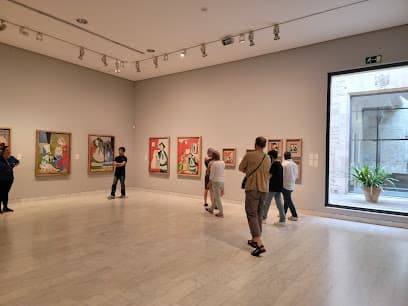
Carrer de Montcada is a narrow, shadowed slit of a street in El Born that feels like it hasn’t changed since the Inquisition. It’s the kind of place where you expect to see a man in a cloak disappearing around a corner. Instead, you get a line of tourists clutching digital tickets. But don't let the queue deter you. The Museu Picasso isn't just another stop on the cultural treadmill; it’s a visceral look at the making of a monster—the artistic kind. This is arguably the best art museum Barcelona has to offer if you want to understand how a kid from Málaga became the man who broke art and put it back together crooked.
Walking into the museum is an experience in architectural whiplash. You’re entering five interconnected medieval palaces—Gothic courtyards, stone staircases, and coffered ceilings that were already old when Picasso was a teenager. It’s a labyrinth. You don’t just look at the art; you haunt the hallways. The collection itself is a middle finger to anyone who thinks Picasso 'couldn't draw.' The early rooms are filled with the work of a boy who had mastered technical realism before he hit puberty. It’s arrogant, brilliant, and slightly terrifying. You see the Blue Period works, dripping with the melancholy of a young man broke and grieving in Paris, and you feel the dampness of those years in the very stones of the building.
The centerpiece, the thing that everyone crowds around, is the Las Meninas series. In 1957, Picasso locked himself away and obsessed over Velázquez’s masterpiece, deconstructing it into 58 different canvases. It’s a frantic, hallucinatory dialogue between two Spanish giants across the centuries. Standing in that room, you see the artist wrestling with history, tearing it apart to see how it works. It’s loud, it’s colorful, and it’s completely exhausting in the best way possible. This is why getting Picasso Museum Barcelona tickets is mandatory; you won't find this level of concentrated obsession anywhere else.
Let’s be honest about the atmosphere: it can be a grind. On a hot Tuesday in July, the galleries can feel like a humid subway car. You’ll see people wandering around looking for Guernica—save yourself the embarrassment, that’s in Madrid at the Reina Sofia. You’ll see influencers trying to find the right light for a selfie in the Gothic courtyards. Ignore them. Focus on the sketches, the ceramics, and the sheer volume of work. Picasso didn't just paint; he exhaled art. The museum was founded by his close friend and secretary, Jaume Sabartés, and the artist himself donated much of the work. There’s a sense of personal history here that transcends the usual sterile museum vibe.
Is the Picasso Museum worth it? If you’re looking for a 'greatest hits' gallery of his most famous Cubist works, you might be disappointed. This is an origin story. It’s about the struggle, the technical mastery, and the eventual break from tradition. It’s one of the most essential things to do in El Born, but you have to go in with the right mindset. Don't rush. Let the weight of the palaces and the intensity of the early portraits sink in. When you finally spill back out onto Carrer de Montcada, the modern world feels a little flatter, a little less vibrant. That’s the Picasso effect. Grab a vermouth at a nearby bar and try to process what you just saw. You’ll need it.
Type
Art museum, Exhibit
Duration
2-3 hours
Best Time
Late afternoon on a weekday or during the free admission hours (Thursday afternoons) if you book well in advance.
Guided Tours
Available
Audio Guide
Available
What People Say
las meninas(365)cubism(281)picasso's blue period(115)velazquez(109)guernica(55)change(34)picasso paintings(28)1957(19)
Features
Art museum
Exhibit
Museum
Tourist attraction
Categories
ArtHistoryGothic ArchitectureUNESCO
Ticket Prices
adult€15
child€0
senior€7.50
Opening Hours
- MondayClosed
- Tuesday10 AM to 7 PM
- Wednesday10 AM to 7 PM
- Thursday10 AM to 7 PM
- Friday10 AM to 7 PM
- Saturday10 AM to 7 PM
- Sunday10 AM to 7 PM
Must-See Highlights
The Las Meninas series (Room 12-14)
Science and Charity (early masterpiece)
The Gothic courtyards of the palaces
The Blue Period portraits
Visitor Tips
Book the first time slot of the day to avoid the heaviest crowds.
The museum is free on the first Sunday of every month and Thursday afternoons from 4:00 PM, but you still must book a ticket online in advance.
Don't bring large bags; the locker situation can be a bottleneck.
Good For
Art loversHistory buffsArchitecture enthusiastsSolo travelers
Why Visit
Housed in five interconnected 13th-15th century Gothic palaces
The world's most comprehensive collection of Picasso's early formative years
The complete 58-canvas 'Las Meninas' series
Nearby Landmarks
- 3-minute walk from Santa Maria del Mar Basilica
- 1-minute walk from Moco Museum Barcelona
- 6-minute walk from Mercat de Santa Caterina
- 8-minute walk from Barcelona Cathedral
Accessibility
- Fully accessible for wheelchairs
- Elevators available between floors
- Accessible restrooms
Location
Carrer de Montcada, 15-23
Ciutat Vella, Barcelona
Nearby Hotels
Nearby Restaurants
In Ciutat Vella
ATTRACTION
Park
Ciutat Vella
A thousand years of silence tucked behind a Romanesque monastery, where the grit of El Raval dissolves into ancient stone, cool shadows, and the heavy weight of history.
0.0(0)
Park
ATTRACTION
BARSHELONA
Ciutat Vella
Forget the plastic bulls and tacky magnets. This is where Barcelona’s soul is bottled into art, a small sanctuary of local design hidden in the shadows of the Gothic Quarter.
0.0(0)
Tourist attraction
ATTRACTION
Minajoe art
Ciutat Vella
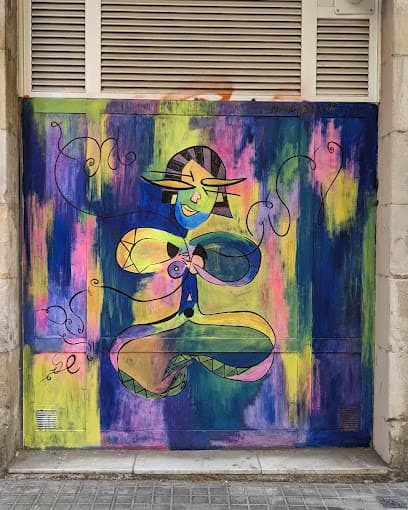
A raw, paint-splattered antidote to the sterile museum circuit. This is where pop-art meets the grit of the street, served straight from the artist’s hands in the heart of old Barcelona.
0.0(0)
Tourist attraction
Frequently Asked Questions
Is the Picasso Museum worth visiting?
Yes, but primarily for those interested in his formative years and the Las Meninas series. It is not a 'greatest hits' collection of his later Cubist work, but rather a deep dive into his evolution as an artist.
What should I see at the Picasso Museum?
Don't miss the Las Meninas room, where Picasso deconstructs Velázquez, and the early academic drawings that prove his incredible technical skill as a teenager.
Is Guernica in the Picasso Museum Barcelona?
No, Guernica is located at the Museo Reina Sofía in Madrid. The Barcelona museum focuses on his early life, the Blue Period, and specific later series like Las Meninas.
How do I get to the Picasso Museum?
The museum is located on Carrer de Montcada in the El Born neighborhood. The closest Metro station is Jaume I (Line 4), about a 5-minute walk away.
Do I need to book tickets in advance?
Absolutely. Tickets are timed and frequently sell out days in advance, especially during peak season. Booking online via the official website is essential.
Reviews
0 reviews for Picasso Museum Barcelona
No reviews yet. Be the first to share your experience!