4.3
12 verified reviews
About
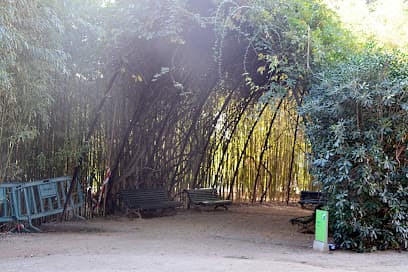
If you’ve spent any time in Barcelona, you’ve likely been elbowed in the ribs by a tourist with a selfie stick at the Sagrada Familia or tripped over a toddler at Park Güell. It’s the price you pay for genius, they say. But they’re wrong. You don’t always have to pay the price, and you don’t always have to endure the circus. Tucked away in the Jardins del Palau de Pedralbes in the upscale district of Les Corts, there is a skeletal structure of iron and stone that most people walk right past. It’s the Pèrgola, or the Umbráculo, and it’s pure, undiluted Antoni Gaudí.\n\nBuilt in 1884, this isn't the Technicolor explosion of his later years. This is Gaudí finding his voice. He was working for Eusebi Güell—the man with the deepest pockets in Catalonia and the only guy who truly understood that Gaudí wasn't crazy, just operating on a higher frequency. Before this was a royal palace garden, it was the Finca Güell, the tycoon’s private playground. Gaudí was tasked with making it look like something out of a Mediterranean fever dream, and this pergola was his experiment with the parabolic arch, a shape that would eventually define his career.\n\nWalking up to it feels like discovering a ruin that’s still breathing. It’s a long, curved spine of stone and iron, held up by columns that look like they grew out of the dirt rather than being placed there. In the spring and summer, it’s swallowed by wisteria and bougainvillea, turning the walkway into a green tunnel of dappled light and heavy, floral air. It’s one of the best Gaudí sites in Barcelona precisely because it isn't treated like one. There are no turnstiles here. No one is trying to sell you a miniature ceramic lizard. It’s just a structure doing what it was meant to do: providing shade and a bit of quiet.\n\nYou’ll see locals here—real ones. Students from the nearby university campuses sitting on the stone benches with their noses in textbooks, or old men from the neighborhood who have probably been coming here since the days when the Diagonal was still a dirt road. The review highlights don't lie; this is a place for reading. It’s a place to sit and realize that architecture doesn't always have to scream to be heard. The silence here is heavy, broken only by the occasional squawk of a green parakeet or the distant hum of traffic from the Diagonal, which feels a world away.\n\nIs it worth the trek to Les Corts? If you’re looking for the 'greatest hits' and want to check boxes off a list, probably not. It’s a single structure in a park. But if you want to understand the man behind the myths—to see the bones of his logic before he started covering everything in broken tiles—then yes, it’s essential. It’s a reminder that even in a city as commodified as Barcelona, you can still find a corner that hasn't been ruined by its own fame. It’s honest, it’s quiet, and it’s free. In this town, that’s a goddamn miracle.\n\nDon't expect a museum experience. Expect a park. Bring a book, bring a bottle of water, and leave the 'I Heart BCN' shirt at the hotel. This is a place for people who actually like architecture, not just the idea of it. It’s a small, perfect moment of sanity in a city that often feels like it’s lost its mind to the tourism industry.
Type
Tourist attraction
What People Say
gaudi(2)reading(2)
Features
Tourist attraction
Categories
ArchitectureGaudíParkHistory
Accessibility
- Wheelchair accessible park paths
- Flat terrain around the structure
Location
Les Corts, Barcelona
Nearby
ATTRACTION
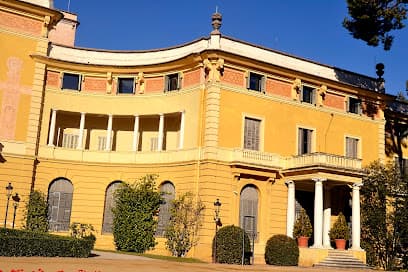
Pedralbes Royal Palace
50 m · Les Corts
A sprawling royal retreat where the roar of Diagonal dies among cedars and orange trees. It’s the quiet, aristocratic soul of Barcelona, complete with a hidden Gaudí fountain.
4.4(2K)
MuseumPark
ATTRACTION
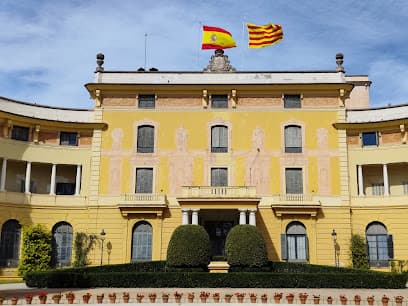
Jardins del Palau de Pedralbes
100 m · Les Corts
The kind of aristocratic silence that only old money and royal blood can buy, tucked away from the Diagonal’s roar with a hidden Gaudí fountain as the ultimate flex.
4.5(7K)
ParkTourist attraction

RESTAURANT
Più Pasta
€€350 m · Les Corts
A no-nonsense pasta temple in Les Corts where the al dente bite is a religion and the cocktails are served with a sophistication that defies the student-heavy neighborhood prices.
4.6(125)
RestaurantBar & grill
RESTAURANT
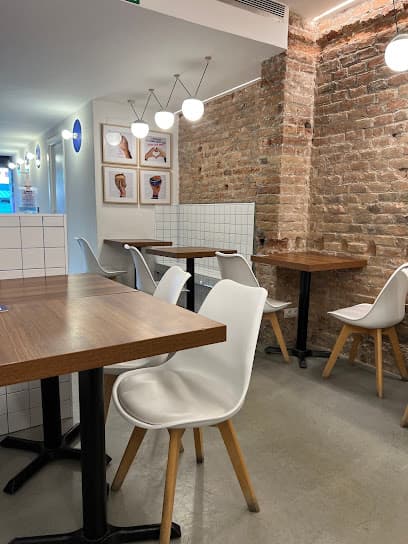
Bite The Health (By Healthy Poke)
€€350 m · Les Corts
A high-octane fueling station for the university crowd in Les Corts, serving up massive poke bowls and sushi burritos that won't leave you in a carb coma before your afternoon lecture.
4.7(841)
Restaurant
HOTEL
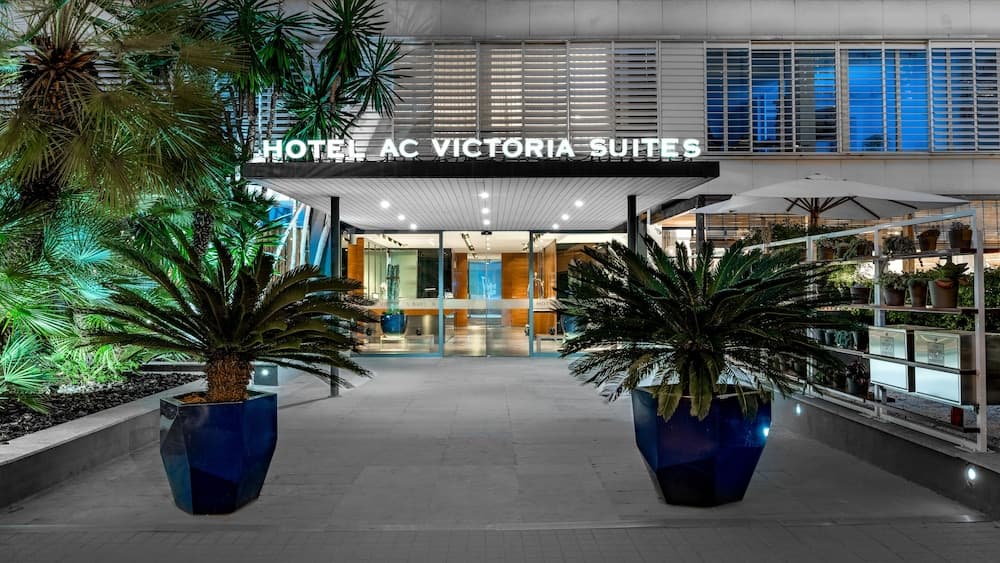
AC Hotel Victoria Suites
€€300 m · Les Corts
A minimalist sanctuary in Les Corts where space isn't a luxury, it's the standard. Forget the Gothic Quarter's cramped alleys; here, you get room to breathe and a terrace for your gin.
4.4(614)
HotelMeeting planning service
HOTEL
Hotel Upper Diagonal
€€400 m · Sarrià-Sant Gervasi
A sleek, modernist sanctuary in the quiet, moneyed hills of Sarrià, far from the sweating crowds of the Rambla and the neon-lit traps of the city center.
4.4(597)
Hotel
Frequently Asked Questions
Is the Gaudí Pergola worth visiting?
Yes, if you appreciate quiet, authentic architecture without the crowds. It is a rare chance to see an early Gaudí work for free in a peaceful garden setting.
How much does it cost to see the Pèrgola?
Entry to the Jardins del Palau de Pedralbes is completely free, including access to the Gaudí Pergola.
What is the best time to visit?
Spring is best when the wisteria is in full bloom, but any weekday morning offers the most solitude for reading or photography.
How do I get to the Pèrgola in Les Corts?
Take the L3 Metro to the 'Palau Reial' station. The gardens are located immediately outside the station exit on Avinguda Diagonal.
Reviews
0 reviews for Pèrgola
No reviews yet. Be the first to share your experience!