4.8
17 verified reviews
About
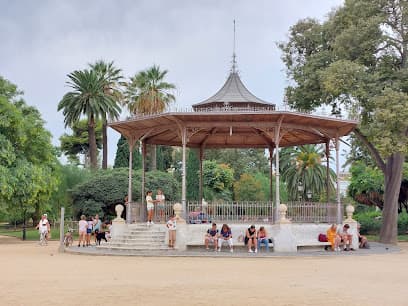
If you want to see Barcelona when it isn’t trying to sell you a plastic bull or a lukewarm pitcher of sangria, you head to the Parc de la Ciutadella on a Sunday morning. You follow the sound of brass—the kind of sharp, unapologetic jazz that feels like it’s been filtered through fifty years of cigarette smoke and late-night regrets. Eventually, you’ll find yourself at the Pergola del Monumental, a stone bandstand sitting in the shadow of the Cascada Monumental, a fountain so grand and over-the-top it makes most European monuments look like backyard birdbaths.
This isn’t a staged performance for the tour bus crowd. There are no tickets, no velvet ropes, and nobody is going to ask you for your autograph. It’s a social dance, a weekly ritual where the city’s Lindy Hop community descends upon the stone floor to sweat, spin, and reclaim a piece of their city. The Pergola itself is a relic of an era when public spaces were designed for more than just scrolling through your phone. It’s a circular stage of weathered stone, elevated just enough to give the dancers a sense of occasion, but low enough that the dust from their shuffling feet mingles with the park air.
The backdrop is the Cascada, a massive architectural flex designed by Josep Fontserè with the help of a then-unknown student named Antoni Gaudí. You can see the early flickers of Gaudí’s madness in the details—the dragons, the jagged stone, the sheer refusal to be subtle. But while the tourists are busy pointing their lenses at the gold-leaf chariots above, the real action is happening down here at eye level. It’s the sight of a seventy-year-old man in a flat cap spinning a woman half his age with the kind of effortless grace that only comes from decades of practice. It’s the sound of sneakers squeaking on stone and the collective gasp of a crowd when the band hits a high note.
Is it perfect? Hell no. The stone is uneven, the pigeons are aggressive, and if you’re there in July, the heat will melt the starch right out of your shirt. The 'stage productions' mentioned in the brochures are often just local troupes or enthusiasts making do with what they have. But that’s the point. It’s raw. It’s honest. It’s a reminder that despite the crushing weight of over-tourism, there are still pockets of this city where people gather simply because they love the music and the movement.
Don’t come here expecting a seat. You’ll be standing, or leaning against a cold stone balustrade, or—if you have any blood in your veins—you’ll be trying to find the rhythm yourself. It’s one of the best things to do in Barcelona because it costs you absolutely nothing but your time and a little bit of dignity if you try to dance and fail. It’s the Ciutat Vella at its most human. You watch the sun hit the spray of the fountain, you hear the roar of the crowd after a particularly frantic solo, and for a second, you forget about the cruise ships and the souvenir shops. You’re just in a park, in a beautiful, crumbling city, watching people live. And really, what else are you traveling for?
Type
Tourist attraction
Duration
1-2 hours
Best Time
Sunday mornings (12:00-14:30) for the live music and dancing atmosphere.
What People Say
dancing(6)bandstand(2)stage production(2)sunday(2)
Features
Tourist attraction
Categories
ArchitectureMusicPublic ParkGaudí
Ticket Prices
Free Admission
No tickets required
Must-See Highlights
The Sunday Lindy Hop social dance
The golden Quadriga de l'Aurora statue atop the nearby fountain
The intricate stone carvings on the bandstand base
The early Gaudí-designed water hydraulics and rock work
Visitor Tips
Bring a cold drink from a nearby supermarket; park kiosks are overpriced.
Don't be afraid to join the dance, but stay on the outer edges if you're a beginner.
The area gets very dusty when the dancing starts, so don't wear your finest suede shoes.
Combine this with a walk through the nearby El Born neighborhood for a perfect Sunday.
Good For
Budget travelersMusic loversPeople watchingPhotography enthusiasts
Why Visit
Authentic Sunday Swing: The epicenter of Barcelona's vibrant Lindy Hop and jazz community.
Gaudí’s Early Work: Located at the base of the Cascada Monumental, featuring contributions from a young Antoni Gaudí.
Zero-Cost Culture: One of the few remaining high-quality cultural experiences in the city center that remains entirely free.
Nearby Landmarks
- 2-minute walk from Cascada Monumental
- 5-minute walk from Barcelona Zoo
- 8-minute walk from Arc de Triomf
- 10-minute walk from El Born Cultural and Memorial Center
Accessibility
- Wheelchair accessible park paths
- Outdoor venue
- Flat viewing areas around the bandstand
Location
Ciutat Vella, Barcelona
Nearby Hotels
Nearby Restaurants
In Ciutat Vella
ATTRACTION
Park
Ciutat Vella
A thousand years of silence tucked behind a Romanesque monastery, where the grit of El Raval dissolves into ancient stone, cool shadows, and the heavy weight of history.
0.0(0)
Park
ATTRACTION
BARSHELONA
Ciutat Vella
Forget the plastic bulls and tacky magnets. This is where Barcelona’s soul is bottled into art, a small sanctuary of local design hidden in the shadows of the Gothic Quarter.
0.0(0)
Tourist attraction
ATTRACTION
Minajoe art
Ciutat Vella
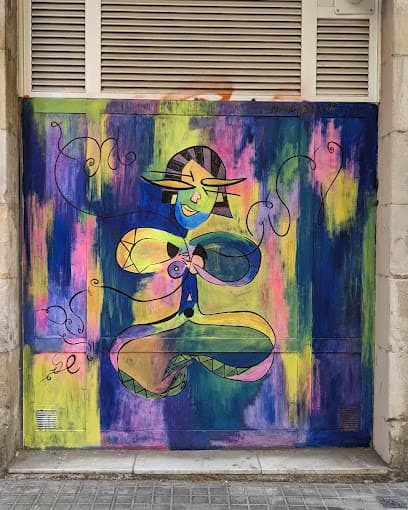
A raw, paint-splattered antidote to the sterile museum circuit. This is where pop-art meets the grit of the street, served straight from the artist’s hands in the heart of old Barcelona.
0.0(0)
Tourist attraction
Frequently Asked Questions
Is Pergola del Monumental worth visiting?
Yes, especially on Sunday mornings when the local swing dancing community takes over the bandstand. It offers a rare, authentic glimpse into Barcelona's local culture away from the typical tourist traps.
When is the best time to see the dancing at the Pergola?
Sundays between 12:00 PM and 2:30 PM are the peak hours for social dancing and live music. Arrive early to grab a spot near the balustrade for the best views.
Do I need tickets for the Pergola del Monumental?
No, it is located within the public Parc de la Ciutadella and all performances or social dances are free to watch or join.
How do I get to the Pergola del Monumental?
Enter Parc de la Ciutadella and walk toward the large fountain (Cascada Monumental). The Pergola is the circular stone bandstand located directly in front of the water feature.
Reviews
0 reviews for Pergola del Monumental
No reviews yet. Be the first to share your experience!