4.4
2,775 verified reviews
About
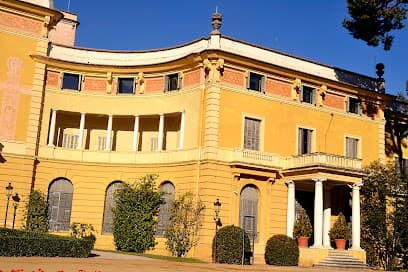
Step off the Avenida Diagonal, a concrete artery pulsing with the frantic energy of modern Barcelona, and you’ll find yourself standing before the iron gates of the Palau Reial de Pedralbes. The transition is jarring. One minute you’re dodging scooters and businessmen in sharp suits, the next you’re enveloped in a stiff, aristocratic silence that feels like it belongs to another century. This isn’t the Barcelona of the guidebooks—the sweaty, sangria-soaked chaos of the Gothic Quarter. This is Les Corts, the neighborhood of old money and quiet power, and this palace is its crown jewel.
Originally a farmhouse known as Can Vila, the estate was bought by Eusebi Güell—the same visionary who backed Gaudí’s most feverish dreams. In the late 19th century, Güell handed the keys to the Royal Family, and the place was transformed into a residence fit for a king. It’s a massive, imposing structure, but the real magic isn’t in the stone walls of the palace itself, which often feels like a beautiful, empty shell since the museums moved out. The real reason you come here is to lose yourself in the gardens.
Walking through the Pedralbes gardens is a sensory reset. The air smells of damp earth, cedar, and the faint, sweet rot of fallen oranges. It’s a sprawling five-hectare labyrinth of gravel paths, manicured hedges, and towering trees that have seen empires rise and fall. You’ll find locals here—not the selfie-stick-wielding hordes, but elderly couples on their daily constitutional and students from the nearby university looking for a place to think. It’s one of the few places in this city where you can actually hear your own footsteps.
Keep your eyes peeled for the Gaudí connection. Long before he was building sagradas and parks, a young Antoni Gaudí was commissioned to do some work here. Tucked away in a corner of the garden is the Fountain of Hercules. It’s not flashy. It’s a weathered, moss-covered stone basin featuring a wrought-iron dragon’s head that spits water with a quiet, rhythmic hiss. It was forgotten for decades, buried under overgrown ivy until it was rediscovered in the 1980s. It’s a reminder that in Barcelona, even the quietest corners are haunted by genius.
The palace building itself is a study in neoclassical restraint. It’s stately, perhaps a bit cold, and currently serves as the headquarters for the Union for the Mediterranean and a venue for high-level government functions. You can’t always wander into the throne room to check out the chandeliers, but standing on the terrace looking out over the parterres, you get a sense of the sheer, unadulterated privilege that built this place. It’s the kind of spot where you can imagine the Bourbons sipping sherry and pretending the rest of the world didn't exist.
Is it worth the trek out to Les Corts? If you’re looking for a checklist of 'must-see' monuments, probably not. But if you want to understand the layers of this city—the parts that aren't for sale to the highest bidder—then yes. It’s a place to breathe, to touch the cool stone of a forgotten fountain, and to remember that Barcelona is more than just a backdrop for your vacation. It’s a living, breathing city with a long, complicated, and occasionally very quiet history.
Type
Museum, Park
Duration
1-2 hours
Best Time
Late afternoon when the sun hits the orange trees and the gardens are at their quietest.
What People Say
gardens(161)concert(49)stage production(40)strolling(40)nature(30)fountain(17)lighting(13)gaudi(12)
Features
Museum
Park
Tourist attraction
Categories
GardensArchitectureGaudíHistory
Ticket Prices
Free Admission
No tickets required
Opening Hours
- Monday10 AM to 6 PM
- Tuesday10 AM to 6 PM
- Wednesday10 AM to 6 PM
- Thursday10 AM to 6 PM
- Friday10 AM to 6 PM
- Saturday10 AM to 6 PM
- Sunday10 AM to 6 PM
Must-See Highlights
Fountain of Hercules by Gaudí
The Bamboo Grove
The Neoclassical Palace Facade
The Statue of Queen Maria Cristina
Visitor Tips
The gardens are free, making this one of the best budget-friendly spots in the city.
Combine this with a visit to the nearby Pavellons Güell to see Gaudí's famous dragon gate.
Check the local schedule for the Alma Festival (formerly Festival Jardins Pedralbes) if you enjoy outdoor concerts.
Good For
CouplesSolo travelersNature loversArchitecture enthusiasts
Why Visit
The hidden Fountain of Hercules, an early and often overlooked work by Antoni Gaudí.
Five hectares of aristocratic gardens that offer the most peaceful retreat in the city.
A rare glimpse into the royal history of Barcelona, far removed from the typical tourist trail.
Nearby Landmarks
- Pavellons Güell (5-minute walk)
- Camp Nou Stadium (15-minute walk)
- Monestir de Pedralbes (12-minute walk)
- Parc de Cervantes (10-minute walk)
Accessibility
- Main garden paths are wheelchair accessible
- Accessible by public transport (Metro L3)
Location
Av. Diagonal, 686
Les Corts, Barcelona
Nearby Hotels
Nearby Restaurants
In Les Corts
ATTRACTION
Placa commemorativa 'El Congrés de Sants de la CNT de 1918'
Les Corts
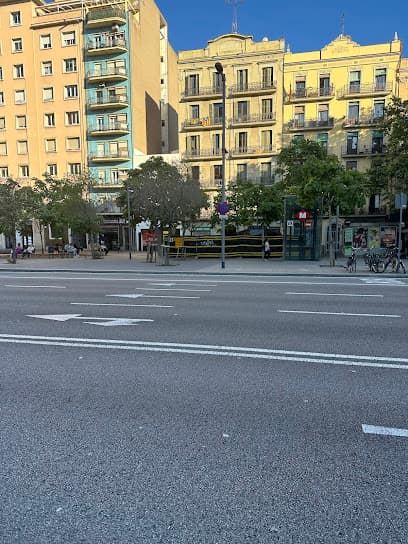
A humble plaque marking the spot where the CNT redefined the labor struggle in 1918. No gift shops here, just the ghosts of the 'Rose of Fire' and the grit of Sants.
0.0(0)
Memorial park
ATTRACTION
City Bus Tour Stop Plaça Pius XII
Les Corts
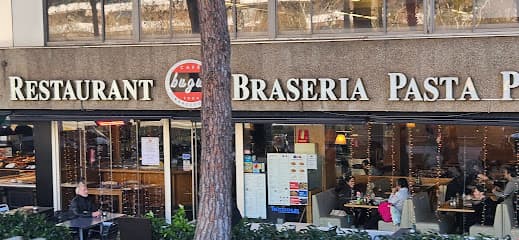
A sun-baked slab of pavement on the Diagonal where the double-deckers pause to vent exhaust and drop off pilgrims heading for the altar of FC Barcelona.
0.0(0)
Tourist attraction
ATTRACTION
Jardins de la Font dels Ocellets
Les Corts
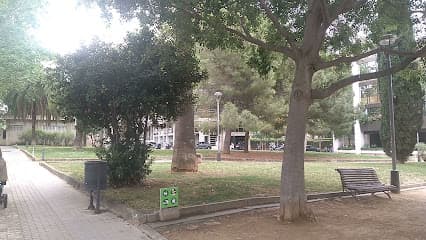
A quiet, unpretentious slice of Les Corts where the only thing louder than the fountain is the sound of locals actually living their lives away from the Gaudí-obsessed crowds.
0.0(0)
Garden
Frequently Asked Questions
Is Palau Reial de Pedralbes worth visiting?
Yes, primarily for the gardens. While the palace interior is often closed for institutional events, the five hectares of lush, quiet gardens and the hidden Gaudí fountain make it a perfect escape from the city's crowds.
How do I get to Palau Reial de Pedralbes?
Take the L3 (Green Line) of the Metro to the 'Palau Reial' station. The entrance to the gardens is located directly on Avinguda Diagonal, just a short walk from the station.
Can you go inside the Pedralbes Palace?
Access to the interior of the palace is generally restricted as it is used for government offices and official events. However, the gardens are open to the public daily and are free to enter.
What is the Gaudí connection at Pedralbes?
Antoni Gaudí designed the Fountain of Hercules and a Mediterranean-style pergola within the gardens. The nearby Pavellons Güell, also designed by Gaudí, was originally part of the same estate.
Reviews
0 reviews for Pedralbes Royal Palace
No reviews yet. Be the first to share your experience!