4.9
13 verified reviews
About
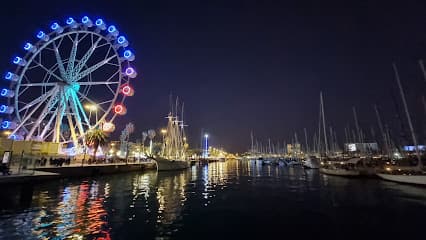
Before 1992, Barcelona was a city that effectively turned its back on the sea. It was a place of industrial grit, smoke-belching factories, and the Somorrostro shantytowns where people lived in the dirt right next to the waves. Then the Olympics arrived, the wrecking balls swung, and the city performed one of the greatest urban magic tricks in history. They didn't just clean up the waterfront; they invented a new identity. The Passeig Marítim is the result—a five-kilometer stretch of concrete, palm trees, and sand that serves as the city’s collective backyard, gym, and catwalk.
Starting down near the Moll de les Drassanes and the Columbus Monument, you feel the weight of the old port. This is where the maritime history of the city lives, smelling of diesel and old ropes. But as you move toward the Barceloneta, the vibe shifts. The promenade opens up into a wide, sun-bleached runway. On one side, you have the Mediterranean—a relentless, shimmering blue that looks better than it probably feels. On the other, a parade of humanity that would make a sociologist weep. You’ve got the rollerbladers in neon, the joggers punishing themselves in the heat, and the tourists wandering aimlessly with the dazed look of people who have had one too many cheap sangrias.
Walking the Passeig Marítim is one of the essential things to do in Barcelona, but you have to know how to navigate the noise. The stretch along Barceloneta beach is the mosh pit. It’s crowded, it’s loud, and it’s where you’ll be approached every thirty seconds by someone offering you a 'mojito' or a 'cerveza-beer.' My advice? Keep walking. The real soul of the promenade reveals itself as you head north. You’ll pass Frank Gehry’s 'Peix,' a massive golden copper fish that looks like it’s about to leap into the Port Olímpic. It’s a reminder that this whole area was a playground for the world’s starchitects.
Once you cross past the twin towers of the Hotel Arts and Mapfre, the atmosphere thins out in the best way possible. The beaches of Bogatell and Nova Icaria are where the locals actually go to breathe. The promenade here is wider, the air feels cleaner, and the restaurants start to look less like tourist traps and more like places where you might actually want to eat. You’ll see people playing volleyball with a ferocity that suggests their lives depend on it, and old men sitting on benches, staring at the horizon, probably remembering when this was all just a wasteland.
Is Passeig Marítim worth it? Absolutely. It is the lungs of the city. But don't come here expecting a quiet, contemplative stroll on a secluded beach. This is an urban beach in every sense of the word. It’s gritty, it’s polished, it’s beautiful, and it’s occasionally annoying. It’s the sound of skateboards on pavement and the smell of salt air mixed with suntan lotion. It’s the place where Barcelona finally embraced its Mediterranean soul, for better or worse. If you want to understand the modern city, you have to walk this line between the water and the stone. Just watch your wallet, ignore the mojito guys, and keep moving until the crowds start to fade and the sea starts to sound like the sea again.
Type
Tourist attraction
Duration
1-3 hours
Best Time
Early morning for joggers or sunset for the social vibe.
Features
Tourist attraction
Categories
OutdoorsArchitectureBeachPublic Space
Ticket Prices
Free Admission
No tickets required
Must-See Highlights
Peix d'Or (Frank Gehry's Fish)
The 'Homenatge a la Barceloneta' (the tilted cubes sculpture)
Port Olímpic
Somorrostro Beach history markers
Visitor Tips
Avoid the 'mojito' sellers on the sand; the hygiene is non-existent.
Rent a bike or skates to cover the full distance to the Fòrum.
Walk two blocks inland for food; the restaurants directly on the promenade are overpriced and mediocre.
Keep a firm grip on your phone and wallet in the Barceloneta stretch.
Good For
FamiliesCouplesSolo travelersFitness enthusiastsPhotography
Why Visit
The 1992 Olympic Legacy: A masterclass in urban renewal that turned industrial ruins into world-class beaches.
Architectural Landmarks: Home to Frank Gehry’s iconic golden fish sculpture and the towering 'Vela' (W Hotel).
Diverse Beach Culture: Transitions from the high-energy tourist hub of Barceloneta to the relaxed, local vibes of Bogatell.
Nearby Landmarks
- 5-minute walk from Columbus Monument
- 10-minute walk from La Barceloneta neighborhood
- 5-minute walk from Maremagnum
- 2-minute walk from L'Aquàrium de Barcelona
Accessibility
- Fully wheelchair accessible
- Ramps to beach level
- Flat paved surfaces
Location
Moll de les Drassanes, 6P
Ciutat Vella, Barcelona
Nearby Hotels
Nearby Restaurants
In Ciutat Vella
ATTRACTION
Park
Ciutat Vella
A thousand years of silence tucked behind a Romanesque monastery, where the grit of El Raval dissolves into ancient stone, cool shadows, and the heavy weight of history.
0.0(0)
Park
ATTRACTION
BARSHELONA
Ciutat Vella
Forget the plastic bulls and tacky magnets. This is where Barcelona’s soul is bottled into art, a small sanctuary of local design hidden in the shadows of the Gothic Quarter.
0.0(0)
Tourist attraction
ATTRACTION
Minajoe art
Ciutat Vella
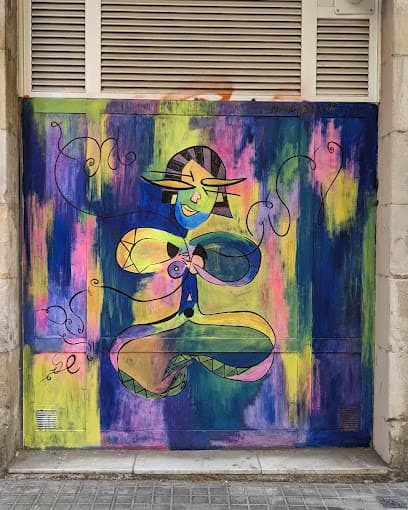
A raw, paint-splattered antidote to the sterile museum circuit. This is where pop-art meets the grit of the street, served straight from the artist’s hands in the heart of old Barcelona.
0.0(0)
Tourist attraction
Frequently Asked Questions
Is Passeig Marítim de Barcelona worth visiting?
Yes, it is the best way to see the city's transformation from an industrial port to a sprawling seaside stage. It offers kilometers of walking, cycling, and people-watching that define modern Barcelona.
How long does it take to walk the Passeig Marítim?
A full walk from the W Hotel to the Fòrum area takes about 1.5 to 2 hours at a steady pace, covering roughly 5 kilometers of coastline.
What is the best time to visit the Barcelona promenade?
Sunrise is spectacular and quiet, while late afternoon offers the best 'golden hour' light for photos and a lively atmosphere as locals come out for their evening stroll.
Is the Passeig Marítim safe?
Generally yes, but it is a prime spot for pickpockets, especially in the crowded Barceloneta section. Keep your belongings secure and be wary of overly friendly strangers.
Reviews
0 reviews for Passeig Marítim de Barcelona
No reviews yet. Be the first to share your experience!