4.5
195 verified reviews
About
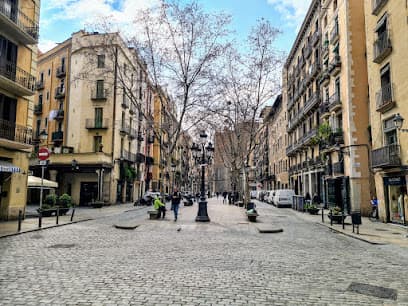
Passeig del Born is not just a street; it is a scar that refuses to heal, a beautiful, jagged line cut through the heart of the La Ribera district. If these stones could talk, they wouldn’t whisper; they’d scream. This narrow, pedestrian-heavy stretch has seen it all: medieval knights knocking each other off horses in the name of chivalry, the grim spectacle of public executions during the Inquisition, and the desperate, bloody defense of the city during the Siege of 1714. Today, the blood has been washed away, replaced by the sticky residue of spilled vermouth and the frantic energy of a neighborhood that never quite learned how to sleep.
Walking down the Passeig today is a lesson in the beautiful contradictions of Barcelona. At one end, you have the Basilica of Santa Maria del Mar, the 'People’s Cathedral.' It is a hulking, soot-stained masterpiece of Catalan Gothic architecture, built by the hands of the local porters and fishermen. It stands as a silent, stony rebuke to the vanity of the world. At the other end of the promenade sits the Mercat del Born, a 19th-century iron-and-glass structure that was supposed to be a market but turned into a tomb. When they tried to renovate it, they found the ruins of the city that King Philip V razed to the ground after the 1714 defeat. Now, it’s a cultural center where you can look down at the skeletal remains of old Barcelona from a glass walkway. It’s a heavy way to start an evening, but that’s this city for you—history is always right under your boots.
In between these two pillars of history lies the chaos of the present. This is the epicenter of El Born nightlife, a place where the air smells of roasted garlic, expensive perfume, and the faint, briny tang of the nearby Mediterranean. During the day, it’s a relatively civilized affair. You’ll see locals walking dogs, tourists squinting at maps, and people sitting at outdoor tables nursing a 'cafè amb llet' while watching the world go by. The boutiques here are high-end, selling artisanal leather goods and avant-garde fashion that costs more than your flight. It’s gentrified, sure, but it hasn't lost its edge entirely.
When the sun dips below the rooftops, the Passeig transforms. The shadows lengthen, and the bars start to breathe. This is where you find some of the best bars in El Born, ranging from legendary institutions like Miramelindo—where the mojitos are poured with a heavy hand—to sleek, modern cocktail dens where the bartenders treat a gin and tonic like a religious rite. It’s a cacophony of languages, the clinking of glasses, and the constant hum of people looking for something they can’t find back home.
Is it a tourist trap? Parts of it, absolutely. You’ll find mediocre pizza slices and overpriced tapas if you aren't careful. But there is a reason people flock here. There is a vibration to the Passeig del Born that you don't get in the sterile stretches of the Eixample or the frantic mess of La Rambla. It’s a place that feels lived-in, fought-over, and ultimately, triumphant. You don't come here for a quiet night out. You come here to feel the friction of a city that is simultaneously obsessed with its past and desperate to live in the moment. Grab a drink, find a spot on a stone bench, and just watch. The show is free, and it’s been running for eight hundred years.
Type
Tourist attraction
Duration
1-2 hours
Best Time
Late evening for the atmosphere and cocktails
What People Say
bars(10)architecture(2)pizza(2)gastronomic(2)partying(2)price(2)
Features
Tourist attraction
Categories
HistoryNightlifeArchitecturePublic Square
Ticket Prices
Free Admission
No tickets required
Opening Hours
- MondayOpen 24 hours
- TuesdayOpen 24 hours
- WednesdayOpen 24 hours
- ThursdayOpen 24 hours
- FridayOpen 24 hours
- SaturdayOpen 24 hours
- SundayOpen 24 hours
Must-See Highlights
The view of Santa Maria del Mar from the center of the promenade
The 1714 ruins inside the Born Centre de Cultura i Memòria
The Fossar de les Moreres, a memorial to the 1714 siege located just off the square
Visitor Tips
Avoid the restaurants with picture menus on the main strip; walk two blocks into the side streets for better food.
The mojitos at Miramelindo are a local rite of passage, but be prepared for crowds.
Keep your bag in front of you; the narrow alleys leading off the Passeig are prime spots for quick thefts.
Good For
History buffsNight owlsPeople watchingCouples
Why Visit
A former medieval jousting ground that traded lances for gin bottles
Anchored by a soot-stained Gothic masterpiece and the skeletal remains of a lost city
The city’s most concentrated collection of bars where drinking is treated like a secular religion
Nearby Landmarks
- 1-minute walk from Basilica of Santa Maria del Mar
- 1-minute walk from El Born Centre de Cultura i Memòria
- 4-minute walk from Picasso Museum
- 10-minute walk from Parc de la Ciutadella
Accessibility
- Pedestrianized street
- Flat paved surface
- Wheelchair accessible
Location
Pg. del Born, 26
Ciutat Vella, Barcelona
Nearby Hotels
Nearby Restaurants
In Ciutat Vella
ATTRACTION
Park
Ciutat Vella
A thousand years of silence tucked behind a Romanesque monastery, where the grit of El Raval dissolves into ancient stone, cool shadows, and the heavy weight of history.
0.0(0)
Park
ATTRACTION
BARSHELONA
Ciutat Vella
Forget the plastic bulls and tacky magnets. This is where Barcelona’s soul is bottled into art, a small sanctuary of local design hidden in the shadows of the Gothic Quarter.
0.0(0)
Tourist attraction
ATTRACTION
Minajoe art
Ciutat Vella
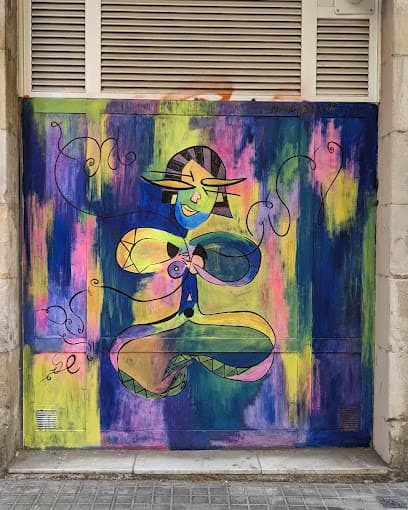
A raw, paint-splattered antidote to the sterile museum circuit. This is where pop-art meets the grit of the street, served straight from the artist’s hands in the heart of old Barcelona.
0.0(0)
Tourist attraction
Frequently Asked Questions
Is Passeig del Born worth visiting?
Yeah, it’s worth it. It’s where the city’s dark history meets its booze-soaked present. You get the weight of that massive stone church at one end and some of the best, most unapologetic drinking dens at the other.
What is the best time to visit Passeig del Born?
Late afternoon is for the light hitting the soot-stained stone of Santa Maria del Mar. After 9:00 PM, the street sheds its skin and becomes the loud, messy drinking gallery it was meant to be.
What should I see at Passeig del Born?
Look for the Basilica of Santa Maria del Mar—the people's church—at the southern end, and the Born Centre at the north, where the ruins of a razed city sit under glass like an open wound.
Is Passeig del Born safe at night?
It’s safe enough, mostly because there are enough witnesses. But don't be a mark. Pickpockets love a drunk tourist distracted by the scenery. Keep your wits about you.
Reviews
0 reviews for Passeig del Born
No reviews yet. Be the first to share your experience!