4.6
323 verified reviews
About
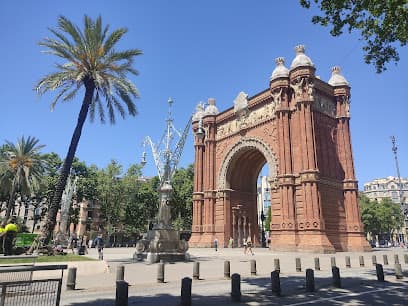
Most cities build triumphal arches to celebrate the fact that they successfully killed a lot of people in a far-off land. Barcelona, being Barcelona, built the Arc de Triomf to celebrate a party. Specifically, the 1888 Universal Exposition. It’s a massive, rust-red brick middle finger to the traditional grey stone of military conquest, and it marks the start of the Passeig de Lluís Companys—a wide, palm-lined promenade that serves as the city’s grand foyer.
Walking down this stretch is one of the best things to do in Barcelona if you want to see the city’s layers stripped bare. At the top, you have the tourists, necks craned, trying to fit the entire arch into a vertical TikTok frame. But as you move toward the Parc de la Ciutadella, the vibe shifts. The air fills with the clatter of skateboards hitting granite and the faint, sweet smell of cannabis drifting from the benches. This isn't a manicured museum piece; it’s a living, breathing artery of the Ciutat Vella.
Look up and you’ll see the lampposts. These aren't your standard-issue street lights. Designed by Pere Falqués, they are iron-wrought masterpieces of Modernisme, heavy and ornate, looking like something out of a steampunk fever dream. They line the path toward the Palau de Justícia, a grim, imposing fortress of law that sits on the right-hand side. There’s a delicious irony in watching street performers juggle fire or blow six-foot soap bubbles while the highest judges in Catalonia are inside deciding someone’s fate behind those massive stone walls.
The promenade bears the name of Lluís Companys, the President of Catalonia who was executed by Franco’s regime in 1940. It’s a heavy name for a place where children chase pigeons and teenagers practice kickflips, but that’s the Mediterranean way—life happens right on top of the tragedy. You can’t understand the history of this neighborhood without acknowledging that weight. The statues lining the walk—tributes to various Catalan luminaries—stand as silent witnesses to the city’s stubborn refusal to be anything other than itself.
Is the Arc de Triomf worth visiting? Absolutely. But don't just take the photo and leave. Walk the length of the Passeig. Watch the 'living statues' sweat through their metallic paint. Listen to the buskers playing Spanish guitar with varying degrees of talent. It’s a place of transition, taking you from the tight, claustrophobic alleys of El Born into the green, sprawling chaos of the park.
If you’re looking for cheap eats near Arc de Triomf, you’re in luck. The side streets are packed with Chinese bakeries and hole-in-the-wall tapas bars that haven't yet realized they could be charging double. Grab a coffee, find a bench, and just watch the circus. It’s one of the few places in the city where the grand architecture doesn't feel like it's looking down on you. It’s a promenade for the people, built for a world’s fair, and still hosting a bit of a carnival every single day. By the time you reach the gates of the park at the end of the walk, you’ll realize that the arch wasn't the destination—the walk itself was.
Type
Park
Duration
30-45 minutes
Best Time
Golden hour for photography and local atmosphere
What People Say
arc de triomf(10)walk(8)history(5)public lighting(4)street artist(4)monument(4)music(4)parrots(3)
Features
Park
Categories
ArchitectureHistoryParkPhotography
Ticket Prices
Free Admission
No tickets required
Opening Hours
- MondayOpen 24 hours
- TuesdayOpen 24 hours
- WednesdayOpen 24 hours
- ThursdayOpen 24 hours
- FridayOpen 24 hours
- SaturdayOpen 24 hours
- SundayOpen 24 hours
Must-See Highlights
The friezes on the Arc de Triomf representing industry, agriculture, and commerce
The ornate iron lampposts by Pere Falqués
The view looking down the promenade toward the Ciutadella park gates
Visitor Tips
Watch out for pickpockets near the Arc de Triomf where crowds gather for photos.
The side streets toward El Born have much better coffee and food than the kiosks on the promenade.
It's a great spot for a morning run before the tourist crowds arrive.
Good For
FamiliesPhotographersBudget travelersSkatersHistory buffs
Why Visit
The iconic red-brick Arc de Triomf, a rare non-military triumphal arch
Ornate Modernista lampposts designed by Pere Falqués
A wide, car-free pedestrian boulevard perfect for people-watching and photography
Nearby Landmarks
- Arc de Triomf (1-minute walk)
- Parc de la Ciutadella (2-minute walk)
- Palau de Justícia (1-minute walk)
- El Born Cultural and Memorial Center (8-minute walk)
Accessibility
- Fully wheelchair accessible
- Flat pedestrian paving
- Accessible via public transport
Location
Ciutat Vella, Barcelona
Nearby Hotels
Nearby Restaurants
In Ciutat Vella
ATTRACTION
Park
Ciutat Vella
A thousand years of silence tucked behind a Romanesque monastery, where the grit of El Raval dissolves into ancient stone, cool shadows, and the heavy weight of history.
0.0(0)
Park
ATTRACTION
BARSHELONA
Ciutat Vella
Forget the plastic bulls and tacky magnets. This is where Barcelona’s soul is bottled into art, a small sanctuary of local design hidden in the shadows of the Gothic Quarter.
0.0(0)
Tourist attraction
ATTRACTION
Minajoe art
Ciutat Vella
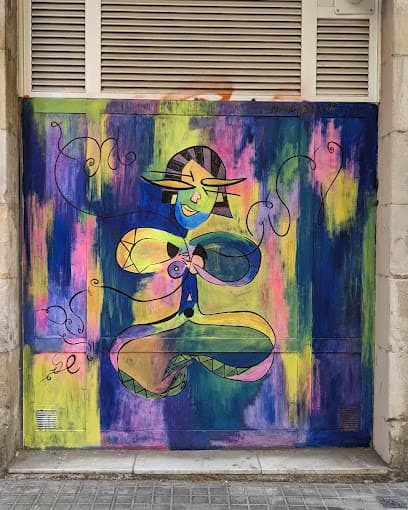
A raw, paint-splattered antidote to the sterile museum circuit. This is where pop-art meets the grit of the street, served straight from the artist’s hands in the heart of old Barcelona.
0.0(0)
Tourist attraction
Frequently Asked Questions
Is Passeig de Lluís Companys worth visiting?
Yes, it is one of the most iconic pedestrian walks in Barcelona, connecting the Arc de Triomf to Parc de la Ciutadella. It offers a perfect blend of grand 19th-century architecture and local street life.
How do I get to the Arc de Triomf?
The easiest way is by Metro; take Line 1 (Red) to the 'Arc de Triomf' station. It is also a short 10-minute walk from the El Born neighborhood.
What is the best time to visit Passeig de Lluís Companys?
Late afternoon is best, as the low sun hits the red brick of the Arc de Triomf beautifully, and the promenade fills with local life, skaters, and street performers.
Are there things to do near Passeig de Lluís Companys?
Yes, you are steps away from Parc de la Ciutadella, the Barcelona Zoo, and the trendy shops and bars of the El Born district.
Reviews
0 reviews for Passeig de Lluís Companys
No reviews yet. Be the first to share your experience!