4.8
10 verified reviews
About
Most people only find themselves in Les Corts for two reasons: they’re either heading to the Camp Nou to worship at the altar of football, or they’re lost in a labyrinth of mid-century apartment blocks and banking headquarters. It is a neighborhood of function, of grey concrete and wide, soul-sucking avenues. But then, tucked away like a forgotten letter in a dusty drawer, you find Passatge de Tubella. It’s a glitch in the urban matrix, a sudden, jarring shift from the 21st-century grind into a pocket of 1925 that somehow survived the wrecking balls of progress.
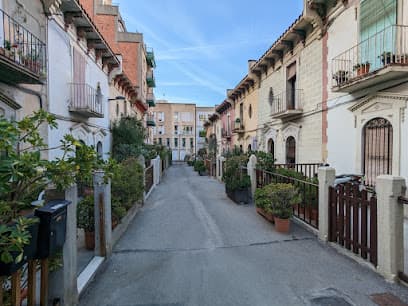
Walking into this passage is like someone suddenly turned the volume down on the city. The roar of the Diagonal fades, replaced by the sound of a distant radio or the scrape of a broom on tile. This isn’t the grand, ego-driven architecture of Gaudí or the sprawling luxury of the Eixample. This is something far more intimate and, frankly, more interesting. Built by Joan Tubella nearly a century ago, these twenty-two houses were designed as 'casas inglesas'—English-style garden homes intended for the workers of the nearby factories. It was a vision of a 'garden city' for the proletariat, a dream that the people who actually built Barcelona deserved a patch of dirt and a bit of sunlight.
Each house is a two-story study in modest beauty. You’ve got small front gardens protected by ornate iron fences, facades painted in fading shades of cream, ochre, and pale pink, and ceramic details that remind you that even 'worker housing' back then had more soul than a modern luxury condo. It’s a residential time capsule. You’ll see laundry hanging from balconies, old men reading the paper behind screen doors, and the kind of quiet that feels almost heavy. It’s beautiful, sure, but it’s a living beauty, not a curated one.
Is Passatge de Tubella worth it? If you’re looking for a gift shop or a guided tour, stay on the bus. There are no plaques here explaining the 'gastronomic significance' of anything. There are no cafes. It’s just a street. But if you want to see a version of Barcelona that hasn’t been polished for the cruise ship crowds, this is it. It represents a moment in history when the city was expanding, trying to figure out how to house its soul without crushing it.
The honest truth is that you’ll be done in fifteen minutes. It’s a short walk from end to end. But those fifteen minutes offer a visceral reminder of what makes this city great: the layers of history that refuse to be paved over. It’s a place for the quiet observer, the person who finds more magic in a cracked tile or a blooming jasmine vine than in a crowded museum.
Don’t be a tourist here. Don’t stand in the middle of the passage shouting or peering into people’s windows like you’re at the zoo. These are homes. Respect the silence. Take your photos, breathe in the scent of the gardens, and appreciate the fact that in a city increasingly defined by its ability to sell itself, a place like Passatge de Tubella still exists just for the sake of existing. It’s one of the most honest corners of Barcelona precisely because it doesn’t want to be a destination at all; it just wants to be a neighborhood.
Type
Tourist attraction
Duration
15-30 minutes
Best Time
Late afternoon for the best light on the facades.
Features
Tourist attraction
Categories
ArchitectureHistoryPhotographyUrban Planning
Ticket Prices
Free Admission
No tickets required
Must-See Highlights
The colorful facades of the 22 original houses
Intricate wrought-iron gates and small front gardens
The contrast between the 1920s architecture and the surrounding modern blocks
Visitor Tips
This is a residential street; please respect the privacy and peace of the neighbors.
Combine this with a visit to the nearby Camp Nou or the gardens of Pedralbes.
Look for the small architectural details like the ceramic tiling and original door handles.
Good For
Architecture enthusiastsPhotographersHistory buffsSlow travelers
Why Visit
Authentic 1920s 'English-style' worker housing
A preserved pocket of 1920s low-rise life in the middle of modern Les Corts
One of the few remaining examples of the 'Garden City' movement in Barcelona
Nearby Landmarks
- Camp Nou (15-minute walk)
- Plaça del Centre Metro (5-minute walk)
- Jardins de Can Mantega (8-minute walk)
- L'Illa Diagonal Shopping Centre (12-minute walk)
Accessibility
- Flat terrain
- Pedestrianized street
- Wheelchair accessible
Location
Passatge de Tubella, 5
Les Corts, Barcelona
Nearby Hotels
Nearby Restaurants
In Les Corts
ATTRACTION
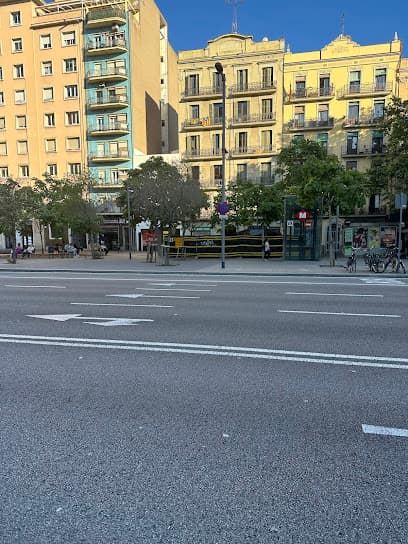
Placa commemorativa 'El Congrés de Sants de la CNT de 1918'
Les Corts
A humble plaque marking the spot where the CNT redefined the labor struggle in 1918. No gift shops here, just the ghosts of the 'Rose of Fire' and the grit of Sants.
0.0(0)
Memorial park
ATTRACTION
City Bus Tour Stop Plaça Pius XII
Les Corts
A sun-baked slab of pavement on the Diagonal where the double-deckers pause to vent exhaust and drop off pilgrims heading for the altar of FC Barcelona.
0.0(0)
Tourist attraction
ATTRACTION
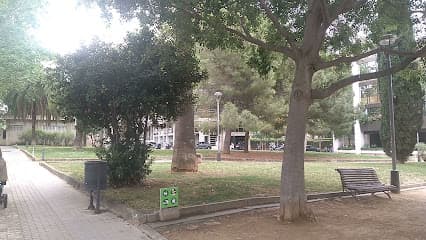
Jardins de la Font dels Ocellets
Les Corts
A quiet, unpretentious slice of Les Corts where the only thing louder than the fountain is the sound of locals actually living their lives away from the Gaudí-obsessed crowds.
0.0(0)
Garden
Frequently Asked Questions
Is Passatge de Tubella worth visiting?
Yes, if you appreciate quiet, historical architecture and want to escape the tourist crowds. It only takes 15 minutes to see, but it offers a unique look at 1920s worker housing that is rare in Barcelona.
How do I get to Passatge de Tubella?
The easiest way is to take the L3 Metro (Green Line) to the Plaça del Centre station. From there, it is a short 5-minute walk to the entrance of the passage.
Is there an entrance fee for Passatge de Tubella?
No, it is a public residential street and is completely free to walk through at any time.
What is the best time to visit?
Late afternoon provides the best light for photography as the sun hits the colorful facades, but remember that this is a residential area, so keep noise to a minimum.
Reviews
0 reviews for Passatge de Tubella
No reviews yet. Be the first to share your experience!