4.3
2,052 verified reviews
About
If you’re looking for the Barcelona of the postcards—the one with the shimmering mosaics, the overpriced sangria, and the endless sea of selfie sticks—you’ve taken the wrong metro line. Get off at Llucmajor on the L4, walk past the functional apartment blocks of Nou Barris, and you’ll find Parc de la Guineueta. This isn’t a place designed to seduce tourists; it’s a place designed to let a working-class neighborhood breathe. And thank god for that.
Opened in 1971 on the site of an old brick factory, the Bòbila de la Guineueta, this park is a concrete-and-chlorophyll testament to the people who actually keep this city running. It’s a sprawling, multi-level lung that doesn't care if you like it or not. The first thing you’ll notice is the fox—a massive, iron-and-stone sculpture by Julià Riu i Serra that stands guard over the entrance. In Catalan, 'guineu' means fox, and this rusty sentinel is the undisputed king of the grounds. It’s sturdy, unpretentious, and a little bit weathered—much like the neighborhood itself.
As you wander deeper, the noise of the city starts to fade, replaced by the rhythmic 'thwack' of a tennis ball or the aggressive clicking of dominoes on a stone table. This is the real theater of Barcelona. You’ve got the 'pensionistas'—men who have seen everything from the dictatorship to the digital age—sitting on benches, debating football with the intensity of a war council. You’ve got the 'pipican,' the dog park, which is less of a pet area and more of a high-stakes social club for the local canines and their exhausted owners. It’s chaotic, it’s loud, and it’s entirely honest.
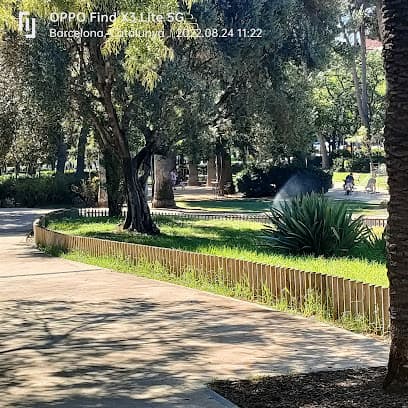
In the center of it all is the pond. It’s not the crystal-clear water of a luxury resort; it’s a deep, murky green, home to a fountain that hisses and splashes with a mechanical indifference. Surrounding it are groves of Aleppo pines, cedars, and olive trees that provide the kind of deep, heavy shade you only appreciate when the Mediterranean sun is trying to melt the pavement. You’ll also find the monument to Blas Infante, a series of columns that serve as a spiritual anchor for the neighborhood’s deep Andalusian roots. Many of the families here migrated from the south decades ago, and this park is where those two worlds—the rugged hills of Andalusia and the industrial grit of Barcelona—shake hands.
Is Parc de la Guineueta 'beautiful' in the way the Park Güell is beautiful? Probably not. There are no whimsical gingerbread houses here. The paths are gravel, the benches are worn, and the graffiti is a constant, evolving dialogue. But there is a soul here that you won’t find in the Gothic Quarter. It’s the smell of laundry detergent drifting from nearby balconies mixed with the scent of dry pine needles. It’s the sight of three generations of a family sharing a bag of sunflower seeds on a Sunday afternoon. It’s a reminder that a city is more than its monuments; it’s the spaces where people live, argue, and rest. If you want to understand the best parks in Barcelona from a local perspective, you come here. You sit down, you shut up, and you watch the city be itself.
Type
Park
What People Say
strolling(49)game(37)dogs(20)bank(18)lungs(14)rats(10)surveillance(9)sardana(8)
Features
Park
Categories
NatureLocal CulturePublic ArtDog Friendly
Opening Hours
- MondayOpen 24 hours
- TuesdayOpen 24 hours
- WednesdayOpen 24 hours
- ThursdayOpen 24 hours
- FridayOpen 24 hours
- SaturdayOpen 24 hours
- SundayOpen 24 hours
Accessibility
- Wheelchair accessible paths
- Flat terrain in most areas
- Accessible by public transport
Location
Nou Barris, Barcelona
Nearby
ATTRACTION
Jardins de Llucmajor
150 m · Nou Barris
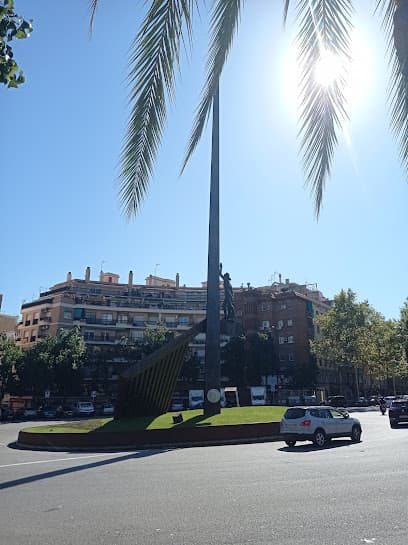
A gritty, honest slice of Nou Barris where the monument to the Republic stands tall. No gift shops, no Gaudí, just real life, old men on benches, and the echoes of social struggle.
4.3(723)
Park
ATTRACTION
Plaça dels Jardins d'Alfàbia
350 m · Nou Barris
A concrete-and-green slice of the real Barcelona in Nou Barris, where the only thing being sold is a quiet afternoon away from the tourist-choked center.
4.0(9)
Park
RESTAURANT
Bar Legazpi
€€100 m · Nou Barris
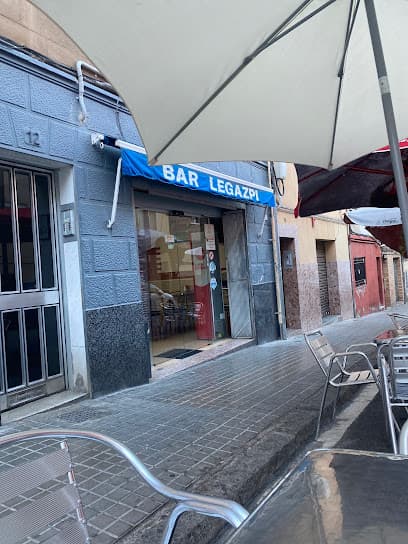
A no-frills temple of Paraguayan soul in Nou Barris. Come for the massive plates of asado, the dense sopa paraguaya, and the kind of honest, working-class energy the city center lost long ago.
4.5(651)
RestaurantBar
RESTAURANT
Bar Restaurante Casa Meva
100 m · Nou Barris
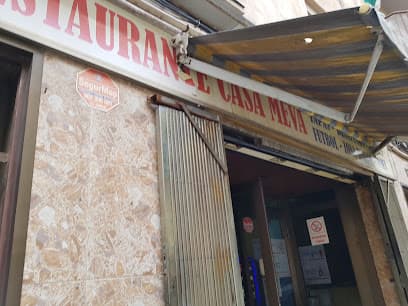
A no-bullshit neighborhood sanctuary in Nou Barris where the beer is cold, the grill is hot, and the 'menú del día' feeds the soul of working-class Barcelona.
5.0(1)
Bar & grill
HOTEL
Hostelle Barcelona
€550 m · Nou Barris
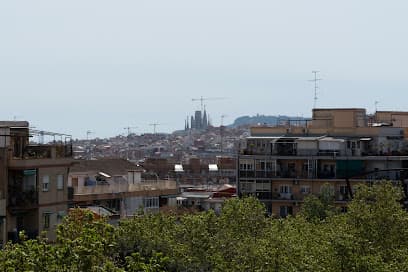
A female-only sanctuary in the gritty, real-deal neighborhood of Nou Barris. No tourist traps here—just clean bunks, a shared kitchen, and the L4 metro to whisk you into the chaos.
4.3(146)
Youth hostel
HOTEL
ibis Barcelona Meridiana
€850 m · Nou Barris
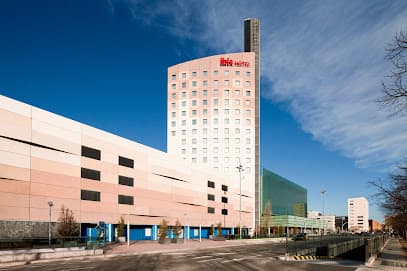
A two-star ibis on Passeig d'Andreu Nin in Nou Barris with paid parking, rated 4.1 from 2,439 Google reviews that mention the metro and a shopping centre.
4.1(2K)
Hotel
Frequently Asked Questions
Is Parc de la Guineueta worth visiting?
Yes, if you want to escape the tourist traps and see how locals actually live. It offers a genuine, unpolished look at Barcelona's neighborhood life with plenty of shade and a great local atmosphere.
How do I get to Parc de la Guineueta?
The easiest way is taking the Metro L4 (Yellow Line) to Llucmajor station. From there, it is a short 5-minute walk up Passeig de Verdum.
What is the famous fox statue in the park?
The 'Guineu' is a large sculpture by Julià Riu i Serra, installed in 1971. It represents the fox for which the neighborhood and park are named.
Is there an entrance fee for Parc de la Guineueta?
No, the park is a public space and is completely free to enter for everyone.
Reviews
0 reviews for Park de la Guineueta
No reviews yet. Be the first to share your experience!