4.6
402 verified reviews
About
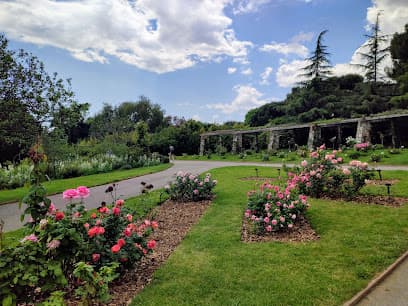
Most people treat the Avinguda Diagonal like a high-speed conveyor belt, a concrete artery pumping commuters and shoppers from one end of Barcelona to the other. But if you stay on that belt long enough, right until the city starts to fray at the edges near the university district, you hit the Parc i Roserar de Cervantes. It’s a four-hectare middle finger to the noise and the exhaust, a lush, sloping sanctuary that smells better than any city has a right to.
This isn't just one of the best parks in Barcelona; it’s a biological flex. We’re talking about more than 10,000 rose bushes representing some 2,000 varieties. When you walk in, especially during the peak bloom of May and June, the scent doesn't just drift—it assaults you. It’s a thick, honeyed perfume that coats the back of your throat and makes you forget you’re standing a stone’s throw from a six-lane highway. This is the kind of place where you realize that nature, when curated by people who actually give a damn, is the ultimate luxury.
The layout is a series of winding paths and grassy knolls that invite you to lose your sense of direction. You’ll see old men from Les Corts sitting on benches, looking like they’ve been there since the park opened in the 60s, and students from the nearby campuses trying to cram for exams under the shade of a cedar tree. It’s a local’s park. There are no guys selling plastic light-up toys here. No one is trying to hustle you into a hop-on-hop-off bus. It’s just you, the dirt, and a staggering amount of flora.
If you’re lucky enough to be here in early May, you’ll catch the International New Roses Competition. It’s exactly what it sounds like: a high-stakes beauty pageant for flowers. Breeders from all over the world send their best specimens to be judged on scent, color, and resilience. It’s geeky, it’s specific, and it’s wonderful. Even if you don't know a hybrid tea from a grandiflora, you can appreciate the sheer craft involved in making something this beautiful.
But let’s be honest: if you come here in the dead of winter, you’re looking at a lot of sticks and mulch. The rose garden in Barcelona is a seasonal beast. It’s still a decent place for a stroll or a picnic, but the magic is tied to the sun. Also, the park is built on a slope. If you’ve spent the day trekking through the Gothic Quarter, your calves might protest the incline. It’s a bit of a hike from the center, located at the very end of the L3 metro line, but that’s exactly why it remains a sanctuary. The distance acts as a filter, keeping out the casual tourists and leaving the space for those who actually want to be there.
The payoff for trekking this far out is immediate: if you need a break from the Gaudí-saturated crowds and want to see a side of Barcelona that feels lived-in and breathable, then head here. Grab a bottle of wine, some jamón from a local market, and find a patch of grass. It’s a reminder that sometimes the best things in this city don't cost a dime and don't require a reservation. It’s just a park, sure. But it’s a park that reminds you why people bother living in cities in the first place.
Type
Botanical garden
What People Say
roses(54)spring(13)strolling(12)trees(10)picnic(8)space(7)competitive examination(6)maintenance(5)
Features
Botanical garden
Categories
ParkNaturePhotographyFree Attractions
Opening Hours
- Monday10 AM to 9 PM
- Tuesday10 AM to 9 PM
- Wednesday10 AM to 9 PM
- Thursday10 AM to 9 PM
- Friday10 AM to 9 PM
- Saturday10 AM to 9 PM
- Sunday10 AM to 9 PM
Accessibility
- Main paths are paved and wheelchair accessible
- Some steep inclines due to the park's hillside location
Location
Av. Diagonal, 716
Les Corts, Barcelona
Nearby
ATTRACTION
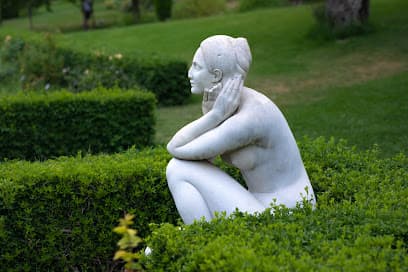
Serenitat (1964), d'Eulàlia Fàbregas de Sentmenat
100 m · Les Corts
A stone-cold oasis of silence in the city's upper reaches. This white marble nude by Eulàlia Fàbregas isn't just art; it's an exercise in how to ignore the chaos of the city below.
4.5(19)
Tourist attraction
ATTRACTION
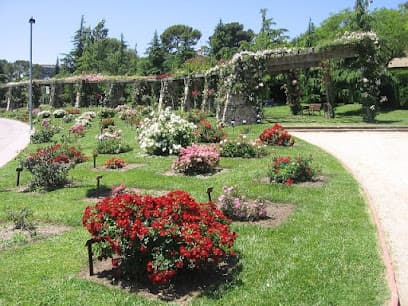
Parc de Cervantes
150 m · Les Corts
A sprawling, fragrant sanctuary at the edge of the city where ten thousand rose bushes bloom and the roar of the Diagonal finally fades into a heavy, floral-scented hush.
4.5(7K)
ParkTourist attraction
RESTAURANT
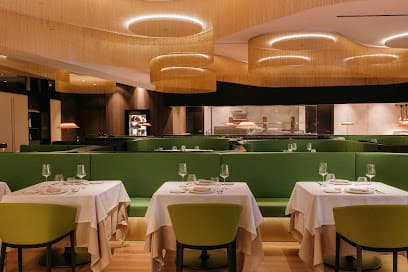
Erre & Urrechu Barcelona
400 m · Les Corts
A temple of smoke and fire in Les Corts where Basque grill master Íñigo Urrechu treats premium beef and wild fish with the primal respect they deserve. No gimmicks, just heat.
4.8(81)
Restaurant
RESTAURANT
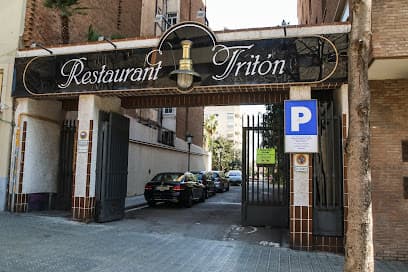
Restaurant Tritón Barcelona Pedralbes
600 m · Les Corts
In the hushed, high-rent streets of Pedralbes, Tritón serves up a masterclass in seafood where the product is king, the service is invisible, and the white tablecloths still mean something.
4.3(1K)
RestaurantMediterranean restaurant
HOTEL
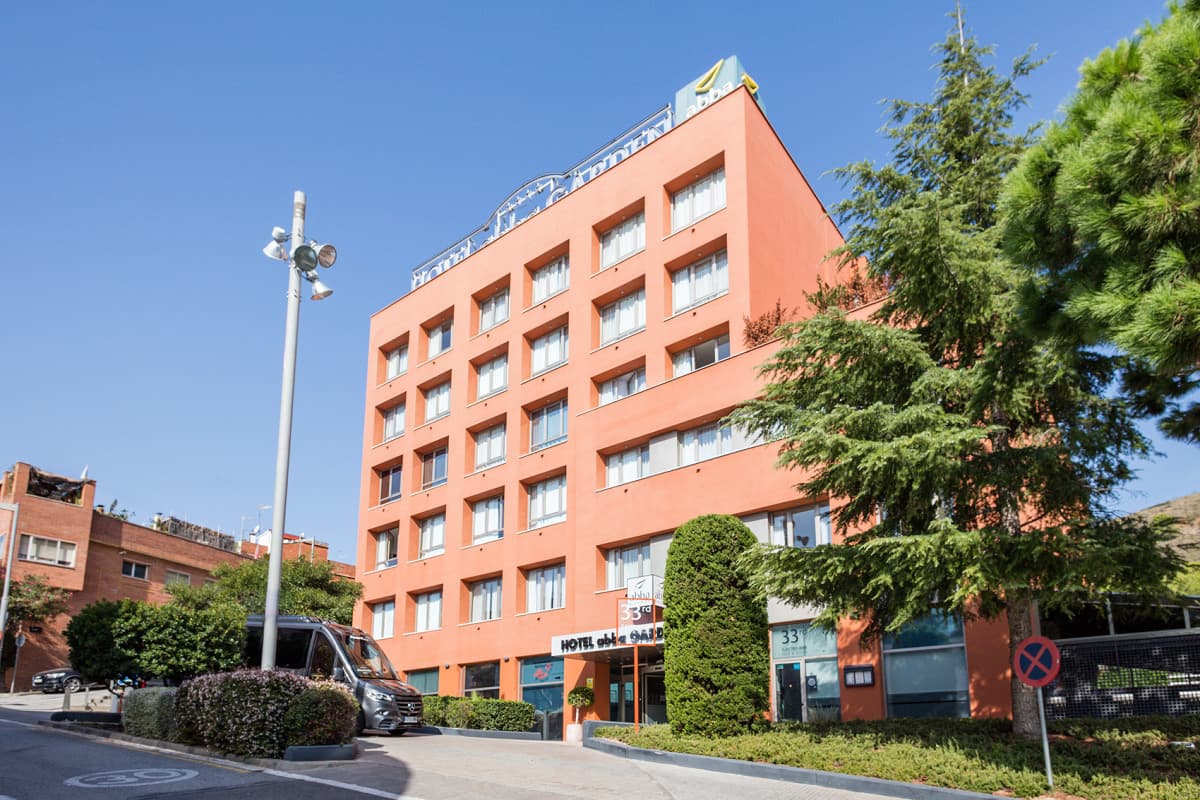
abba Garden hotel
€350 m · Barcelona
A quiet spot with actual grass on the edge of the city. It’s built for escaping the tourist crush downtown, hitting the pool, or staying close to the hospital without the sterile vibe.
4.0(793)
HotelBanquet hall
HOTEL
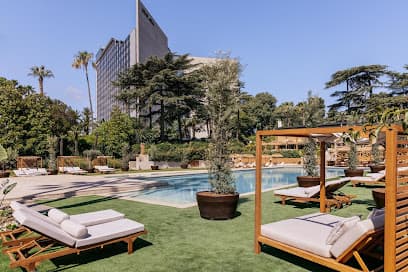
Torre Melina, a Gran Meliá Hotel
€€€450 m · Les Corts
A sprawling urban oasis at the edge of the city where the ghosts of old-school glamour meet high-end modern excess and 25,000 square meters of lush, manicured gardens.
4.5(435)
Hotel
Frequently Asked Questions
Why should I visit Parc i Roserar de Cervantes?
It offers a peaceful, local alternative to the crowded parks in the city center, especially between April and November when over 10,000 roses are in bloom.
What is the best time to visit the rose garden?
The peak blooming season is May and June, which coincides with the International New Roses Competition. Visit in the morning or late afternoon to avoid the midday heat.
How do I get to Parc de Cervantes?
Take the L3 (Green Line) metro to the Zona Universitària station. The park entrance is a short walk from the station along Avinguda Diagonal.
Is there an entrance fee for the park?
No, admission to both the general park and the specific rose garden is completely free for all visitors.
Reviews
0 reviews for Parc i Roserar de Cervantes
No reviews yet. Be the first to share your experience!