4.4
3,384 verified reviews
About
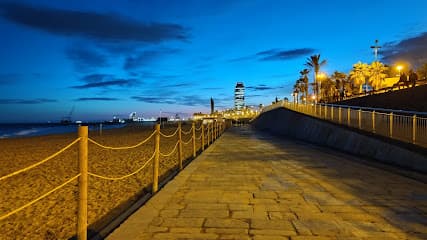
Before the 1992 Olympics, this stretch of Barcelona was a jagged skyline of smokestacks and soot—the 'Manchester of Catalonia.' It was a place of sweat, gears, and heavy industry that eventually crumbled into a wasteland of rusted warehouses. Then came the wrecking balls and the visionaries. Parc del Poblenou is the result of that radical surgery, a long, lean strip of green that acts as a buffer between the roaring Ronda Litoral highway and the sun-scorched sands of Bogatell Beach. It isn’t a manicured French garden with trimmed hedges and marble statues. It’s a rugged, salt-crusted landscape designed by Manuel Ruisánchez and Xavier Vendrell that feels like it’s constantly fighting a low-stakes war with the Mediterranean wind.
Walking into the park from the Poblenou side, you’re hit first by the scent. It’s a collision of dry pine needles baking in the sun and the sharp, metallic tang of the sea. The stone pines here are the stars—gnarled, leaning, and providing the kind of deep, heavy shade that becomes a currency of its own during a Barcelona July. Underneath them, the ground is a mix of sandy soil and hardy grass, worn down by generations of joggers, dog walkers, and families who couldn't care less about the tourist circus happening three miles south in the Gothic Quarter. This is where the neighborhood breathes. You’ll see old men in flat caps arguing over nothing in particular and young parents pushing strollers through the dunes, all while the distant thud of beach volleyball games provides a rhythmic soundtrack.
There is a weight to this place if you know where to look. Tucked away within the greenery is the 'Memorial to the Victims of the Holocaust,' a somber installation of cracked stones and steel that demands a moment of silence amidst the leisure. It’s a reminder that even in a city obsessed with the 'new,' the past is never entirely buried. The park also preserves the remnants of the old industrial seawalls, now integrated into the landscape like the bones of a prehistoric beast. It’s this layering of history—from industrial powerhouse to Olympic playground to local sanctuary—that gives the park its soul.
If you’re looking for Gaudi’s whimsy or the polished elegance of Ciutadella, you’re in the wrong place. Parc del Poblenou is functional. It’s the place you go when you’ve had enough of the crowds at La Rambla and you just want to sit on a bench, watch the Mediterranean through a screen of tamarisk trees, and feel like a human being again. The dunes here aren't just for show; they are a deliberate attempt to bring the wild coastal ecosystem back to a city that spent a century trying to pave over it.
Is it perfect? No. The grass can get patchy, and the hum of the nearby highway is a constant reminder of the urban machine. But that’s Barcelona. It’s a place where the grit of the old barrio sits right up against the blue infinity of the sea, and this park is the bridge between them. It’s best visited in the late afternoon, when the light turns golden and the shadows of the pines stretch across the paths. Grab a beer from a nearby bodega, find a spot near the dunes, and watch the city transition from the workday grind to the evening stroll. This is the real Barcelona, raw and breathing deep.
Type
Park, Tourist attraction
Duration
1-2 hours
Best Time
Late afternoon (Golden Hour) for the best light and local atmosphere.
What People Say
beach(175)strolling(62)shadow(33)space(28)lawn(26)dog(15)pine(14)ideal(12)
Features
Park
Tourist attraction
Categories
NatureHistoryCoastalOlympic Heritage
Ticket Prices
Free Admission
No tickets required
Opening Hours
- MondayOpen 24 hours
- TuesdayOpen 24 hours
- WednesdayOpen 24 hours
- ThursdayOpen 24 hours
- FridayOpen 24 hours
- SaturdayOpen 24 hours
- SundayOpen 24 hours
Must-See Highlights
The Holocaust Memorial monument
The stone pine groves near the dunes
The view of the Mediterranean through the tamarisk trees
The remnants of the old industrial seawalls
Visitor Tips
Combine your visit with a walk down Rambla del Poblenou for lunch.
Bring a blanket; the grass under the pines is one of the best nap spots in the city.
Avoid the park late at night as lighting can be sparse in certain sections.
Good For
FamiliesJoggersDog ownersHistory buffsBudget travelers
Why Visit
Coastal Dune Ecosystem: One of the few places in the city where the original Mediterranean dune landscape has been restored.
Olympic Urban Renewal: A prime example of the 1992 transformation that turned industrial wasteland into public green space.
Holocaust Memorial: Home to a significant and somber monument dedicated to the victims of National Socialism.
Nearby Landmarks
- Bogatell Beach (2-minute walk)
- Poblenou Cemetery (5-minute walk)
- Mar Bella Beach (8-minute walk)
- Rambla del Poblenou (10-minute walk)
Accessibility
- Flat paved paths
- Wheelchair accessible entrances
- Accessible restrooms nearby at the beach
Location
Sant Martí, Barcelona
Nearby Hotels
Nearby Restaurants
In Sant Martí
ATTRACTION
LOS CERDINS HOUSE
Sant Martí
A raw, repurposed industrial relic in the heart of Sant Martí, Los Cerdins House is a testament to the neighborhood's manufacturing soul, where red-brick history meets the sharp, creative edge of modern Barcelona.
0.0(0)
Tourist attraction
ATTRACTION
Pista de frontó
Sant Martí
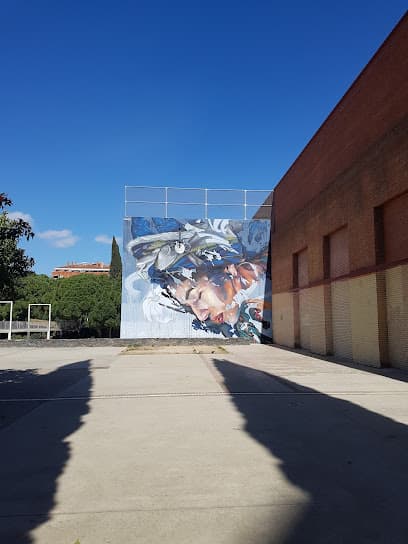
A sun-baked slab of concrete where the rhythmic thwack of a ball against stone serves as the soundtrack to a neighborhood still clinging to its gritty, industrial Poblenou soul.
0.0(0)
Park
ATTRACTION
Saraya Express
Sant Martí
A specialized travel outpost tucked away in Sant Martí. Saraya Express is where the logistics of a trip to Cairo meet the grit of Barcelona’s daily grind, far from the tourist-trap fluff.
0.0(0)
Tourist attraction
Frequently Asked Questions
Is Parc del Poblenou worth visiting?
Yes, if you want to escape the tourist crowds and experience a local side of the city. It offers great shade, proximity to the beach, and a relaxed atmosphere that you won't find in the city center.
How do I get to Parc del Poblenou?
The easiest way is via the L4 Metro (Yellow Line), getting off at Poblenou or Llacuna stations. From there, it's a 10-minute walk toward the sea.
What is there to see in Parc del Poblenou?
Key highlights include the stone pine groves, the coastal dunes, and the moving Memorial to the Victims of the Holocaust. It's also perfectly positioned for a walk to Bogatell or Mar Bella beaches.
Is the park good for families?
Absolutely. There are several children's play areas, plenty of space for kids to run around, and it's much safer and quieter than the parks in the more central districts.
Reviews
0 reviews for Parc del Poblenou
No reviews yet. Be the first to share your experience!