3.6
131 verified reviews
About
Forget the manicured lawns of the Ciutadella or the whimsical tile-work of Gaudí’s fever dreams. If you want to see where Barcelona actually lives, breathes, and occasionally grumbles, you head to Sant Martí. Specifically, you find yourself at Parc del Fomento on Carrer de València. This isn't a 'destination' in any travel agent's brochure. It’s a neighborhood lung, a concrete-and-gravel sanctuary for the people who keep this city running while the tourists are busy queuing for the Sagrada Família.
The park takes its name from the Foment Martinenc, a historic cultural association that has been the social backbone of this barrio since 1877. This isn't just a name on a plaque; it represents a century and a half of working-class pride. Back when this area was an industrial powerhouse of textiles and smoke, the Foment was where the workers came for education, for theater, and for a sense of community that the factory floor couldn't provide. Today, that spirit persists in the way the locals treat this park. It’s an extension of their living rooms, a place where the private lives of the Clot neighborhood spill out onto the pavement.
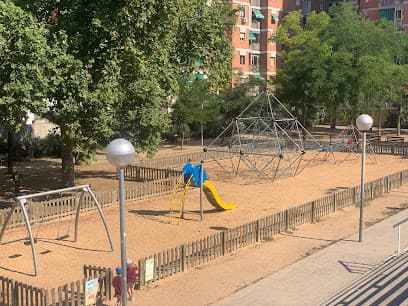
Walking in, you won't find any gift shops or overpriced gelato. Instead, you get the visceral soundtrack of the city: the rhythmic squeak of a swing set, the sharp bark of a Galgo in the pipican, and the low murmur of retirees debating football on benches that have seen better days. It’s honest. It’s raw. It’s a little rough around the edges, just like the neighborhood itself. There is no pretense here; nobody is posing for an Instagram feed, and the only thing being curated is the local gossip.
Visually, it’s a study in urban utility. There are trees, yes, providing much-needed shade during the brutal July heat, but this is a space designed for use, not for postcards. You’ll see the scars of the city here—the graffiti that’s more about marking territory than artistic expression, the weathered surfaces of the play structures. But look closer and you see the beauty in the function. The way the light hits the dusty gravel in the late afternoon, or the way the elderly men lean into their conversations with a gravity usually reserved for state secrets. This is the Sant Martí that hasn't been scrubbed clean for the cruise ship crowds.
The playground is the undisputed heart of the place, a chaotic theater of screaming kids and tired parents. Nearby, the dog area—the 'pipican'—is a social hub in its own right, where the local canine population negotiates territory with more diplomacy than most world leaders. It’s a fascinating, loud, and occasionally smelly microcosm of the neighborhood’s social hierarchy.
Is it perfect? Hell no. The reviews will tell you about the maintenance issues, the occasional litter, and the homeless neighbors who have claimed a corner of the benches. But that’s the truth of a living city. It’s not a museum; it’s a shared backyard. If you’re looking for 'charming,' keep walking toward the Eixample. But if you want to sit for twenty minutes and watch the real Barcelona go by—the delivery drivers taking a breather, the grandmothers sharing gossip, the teenagers being teenagers—this is your spot.
Just around the corner is Carrer de Rogent, one of the best pedestrian streets in the city for a cheap beer and a plate of patatas bravas that haven't been 'deconstructed' by a Michelin-star wannabe. This street acts as the neighborhood's main artery, a long stretch of commerce and conversation that feels worlds away from the high-street clones of the city center. Grab a coffee to go from a local bakery, find a seat in the Parc del Fomento, and just watch. It’s the best free show in town, provided you’re willing to look past the cracks in the pavement.
Type
Park
Duration
30-60 minutes
Best Time
Late afternoon when the neighborhood comes alive with families and locals finishing work.
What People Say
kids(9)dog(5)maintenance(2)civic virtue(2)homeless(2)
Features
Park
Categories
PlaygroundDog ParkUrban Space
Ticket Prices
Free Admission
No tickets required
Opening Hours
- MondayOpen 24 hours
- TuesdayOpen 24 hours
- WednesdayOpen 24 hours
- ThursdayOpen 24 hours
- FridayOpen 24 hours
- SaturdayOpen 24 hours
- SundayOpen 24 hours
Must-See Highlights
The local playground scene
The historic Foment Martinenc building nearby
The lively dog social club in the pipican
Visitor Tips
Pair your visit with a walk down Carrer de Rogent for authentic local tapas.
Don't expect a quiet retreat; this is a lively, noisy neighborhood hub.
Keep an eye on your belongings, as you would in any urban park.
Good For
Families with kidsDog ownersLocal culture seekersBudget travelers
Why Visit
Authentic local atmosphere far from the usual sightseeing circuit
Historic connection to the 19th-century Foment Martinenc association
Proximity to the vibrant pedestrian street Carrer de Rogent
Nearby Landmarks
- 2-minute walk from Carrer de Rogent (pedestrian street)
- 8-minute walk from Mercat del Clot
- 15-minute walk from Sagrada Família
- 5-minute walk from El Clot-Aragó train station
Accessibility
- Flat paved surfaces
- Wheelchair accessible entrances
- Accessible benches
Location
Carrer de València, 716
Sant Martí, Barcelona
Nearby Hotels
Nearby Restaurants
In Sant Martí
ATTRACTION
LOS CERDINS HOUSE
Sant Martí
A raw, repurposed industrial relic in the heart of Sant Martí, Los Cerdins House is a testament to the neighborhood's manufacturing soul, where red-brick history meets the sharp, creative edge of modern Barcelona.
0.0(0)
Tourist attraction
ATTRACTION
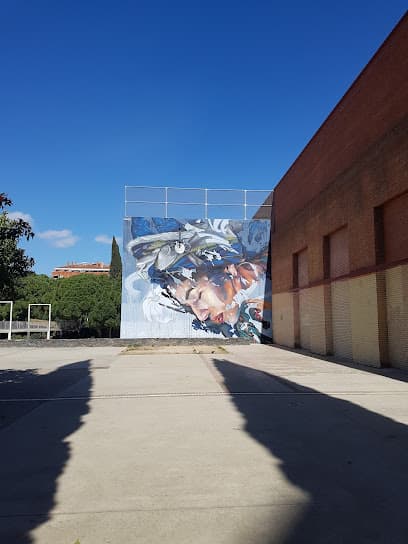
Pista de frontó
Sant Martí
A sun-baked slab of concrete where the rhythmic thwack of a ball against stone serves as the soundtrack to a neighborhood still clinging to its gritty, industrial Poblenou soul.
0.0(0)
Park
ATTRACTION
Saraya Express
Sant Martí
A specialized travel outpost tucked away in Sant Martí. Saraya Express is where the logistics of a trip to Cairo meet the grit of Barcelona’s daily grind, far from the tourist-trap fluff.
0.0(0)
Tourist attraction
Frequently Asked Questions
Is Parc del Fomento worth visiting?
Only if you are staying in the Sant Martí area or want to experience a genuine, non-touristy neighborhood park. It is a functional local space, not a major landmark.
What facilities does Parc del Fomento have?
The park features a children's playground, a designated fenced-off dog area (pipican), and several benches under shaded trees.
How do I get to Parc del Fomento?
The park is located at Carrer de València, 716. The nearest Metro stations are El Clot (L1/L2) and Encants (L2), both within a 5-10 minute walk.
Is the park safe at night?
Like many urban neighborhood parks, it can feel a bit isolated late at night. While generally safe, it is best visited during daylight hours when it is bustling with local families.
Reviews
0 reviews for Parc del Fomento
No reviews yet. Be the first to share your experience!