4.2
6,161 verified reviews
About
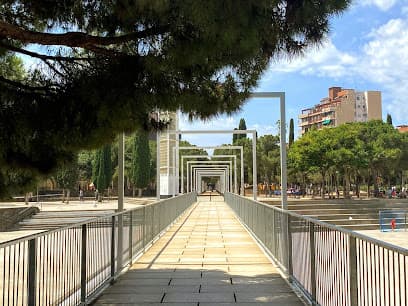
Forget the manicured perfection of the Ciutadella or the whimsical, tourist-choked fever dreams of Gaudí. If you want to see how Barcelona actually breathes when the cameras aren’t looking, you head to Sant Martí. Specifically, you head to Parc del Clot. This isn't a park designed for postcards; it’s a park carved out of the wreckage of the industrial revolution, a place where the city’s gears used to grind and smoke before the architects moved in to save the soul of the neighborhood.
Walking into Parc del Clot is like stumbling onto the set of a post-apocalyptic film that somehow found a happy ending. In the late 19th century, this was the RENFE railway workshop—a massive, grease-stained cathedral of steam and iron. When the trains stopped running and the workshops fell silent, the city didn't just bulldoze the history. They kept the bones. Architects Daniel Freixes and Vicenç Miranda saw the beauty in the decay, and in 1986, they turned these ruins into a public space that feels both ancient and aggressively modern.
The first thing that hits you is the wall of arches. They look like Roman aqueducts, but they’re actually the skeletal remains of the old workshop facade. They stand there, defiant and stripped bare, framing the sky and the surrounding apartment blocks. There’s a waterfall integrated into one of these masonry walls, a twenty-five-foot curtain of water that masks the hum of the city and provides a cool, damp sanctuary during the brutal Catalan summer. It’s a brilliant piece of adaptive reuse—taking the heavy, soot-covered history of the working class and turning it into a place for a quiet smoke or a game of cards.
This is a neighborhood park in the truest sense. You won’t find many selfie sticks here. Instead, you’ll find the rhythmic, frantic clicking of ping pong balls on concrete tables. You’ll see the local abuelos sitting on benches, dissecting the latest Barça disaster with the gravity of a war council. You’ll see dogs—lots of them—tearing across the dirt paths while their owners swap gossip. It’s a place of high-contrast beauty: the red brick of the old chimneys against the deep green of the pines and the silver of the olive trees.
There’s a grit here that’s refreshing. The concrete is stained, the metal is rusted in all the right places, and the graffiti feels like part of the decor rather than a desecration. It’s honest. It’s a reminder that Barcelona was a city of workers long before it was a city of boutiques. The sunken sports courts are usually alive with the sound of basketballs and shouting kids, a reminder that the park is a living, breathing organism, not a museum piece.
Is it worth the trek out to Sant Martí? If you’re looking for a place to hide from the crushing weight of the Gothic Quarter’s crowds, then yes. If you want to understand the architectural DNA of a city that respects its industrial past while sprinting toward the future, then absolutely. Grab a cheap beer from a nearby bodega, find a spot under the arches, and watch the sun hit the old brickwork. It’s a protein rush for the eyes, a clean, unpretentious high that costs you nothing but the price of a metro ticket. This is the real Barcelona—scarred, beautiful, and completely indifferent to whether you like it or not.
Type
Park, Tourist attraction
Duration
1-2 hours
Best Time
Late afternoon for the best light on the industrial ruins.
What People Say
dogs(104)ping pong(33)concert(15)age(15)factory(14)lungs(12)font(10)calçotada(7)
Features
Park
Tourist attraction
Categories
Industrial HeritageArchitecturePublic SpaceSports
Ticket Prices
Free Admission
No tickets required
Opening Hours
- MondayOpen 24 hours
- TuesdayOpen 24 hours
- WednesdayOpen 24 hours
- ThursdayOpen 24 hours
- FridayOpen 24 hours
- SaturdayOpen 24 hours
- SundayOpen 24 hours
Must-See Highlights
The 'Aqueduct' Arches: The skeletal remains of the old railway workshop.
The Waterfall: A stunning water feature built into the old brick walls.
The Sunken Sports Courts: Where the local energy of the neighborhood is most palpable.
The Old Chimney: A towering reminder of the site's industrial past.
Visitor Tips
Bring your own ping pong paddles if you want to join the locals at the tables.
Combine a visit with the nearby Mercat dels Encants for a full morning of local flavor.
The park is very popular with dog owners; expect many four-legged residents in the afternoons.
Check the local schedule for occasional outdoor concerts held in the central square.
Good For
Architecture enthusiastsFamilies with childrenDog ownersBudget travelersPhotography
Why Visit
Repurposed 19th-century RENFE railway workshop ruins
Stunning 25-foot waterfall integrated into historic masonry
Authentic local atmosphere far from the main tourist circuit
Nearby Landmarks
- 10-minute walk from Mercat dels Encants
- 12-minute walk from Disseny Hub Barcelona
- 15-minute walk from Torre Glòries
- 5-minute walk from Clot Metro Station
Accessibility
- Wheelchair accessible paths
- Flat terrain in main areas
- Accessible by public transport
Location
Carrer dels Escultors Claperós, 55, 63
Sant Martí, Barcelona
Nearby Hotels
Nearby Restaurants
In Sant Martí
ATTRACTION
LOS CERDINS HOUSE
Sant Martí
A raw, repurposed industrial relic in the heart of Sant Martí, Los Cerdins House is a testament to the neighborhood's manufacturing soul, where red-brick history meets the sharp, creative edge of modern Barcelona.
0.0(0)
Tourist attraction
ATTRACTION
Pista de frontó
Sant Martí
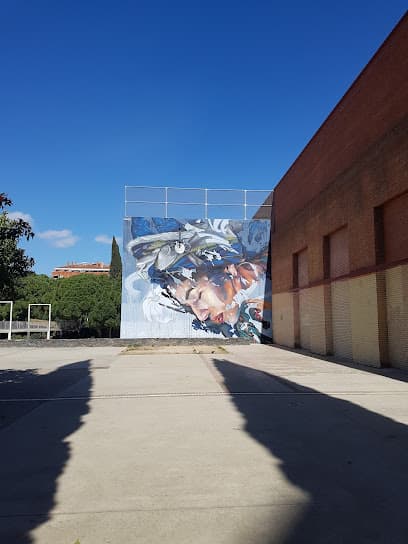
A sun-baked slab of concrete where the rhythmic thwack of a ball against stone serves as the soundtrack to a neighborhood still clinging to its gritty, industrial Poblenou soul.
0.0(0)
Park
ATTRACTION
Saraya Express
Sant Martí
A specialized travel outpost tucked away in Sant Martí. Saraya Express is where the logistics of a trip to Cairo meet the grit of Barcelona’s daily grind, far from the tourist-trap fluff.
0.0(0)
Tourist attraction
Frequently Asked Questions
Is Parc del Clot worth visiting?
Yes, especially if you appreciate industrial architecture and want to escape the tourist crowds. The 19th-century railway arches and integrated waterfall offer a unique aesthetic you won't find in more traditional parks.
How do I get to Parc del Clot?
The easiest way is via the Metro. Take Line 1 (Red) or Line 2 (Purple) to the Clot station. The park is a short 5-minute walk from the exit.
What is the best time to visit Parc del Clot?
Golden hour is spectacular as the setting sun hits the red brick arches. It's also a great spot for a morning walk when the neighborhood is just waking up and the dog walkers are out.
Is Parc del Clot good for families?
Absolutely. There are dedicated play areas for children, basketball courts, and plenty of space to run around, making it a favorite for local families.
Reviews
0 reviews for Parc del Clot
No reviews yet. Be the first to share your experience!