4.2
456 verified reviews
About
Barcelona didn’t always look like a postcard. Before the 1992 Olympics descended like a divine architectural intervention, this stretch of Sant Martí was a graveyard of industrial ambition—smoke, grit, and warehouses that had seen better days. The Parc de la Nova Icària is the lung that was carved out of that decay, a 90s fever dream of urban renewal that still feels remarkably grounded today. It’s the bridge between the city’s hard-edged grid and the soft, relentless pull of the sea.
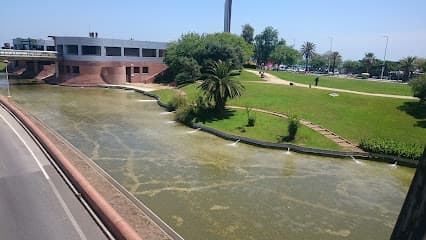
Walking into the park, you aren't hit with the manicured, aristocratic fluff of the Ciutadella. This is different. It’s a landscape of intent. The centerpiece is a massive, geometric lake, shaped—if you have the bird’s-eye view or a decent imagination—like the island of Icaria in Greece. It’s a nod to the utopian socialist community that tried to make a go of it here in the 19th century. They failed, of course, because utopias always do, but the park remains as a more successful kind of social experiment: a place where the city actually works for the people living in it.
You’ll find the Plaça dels Campions here, a sunken square that feels like a secular temple to human achievement. It’s lined with plaques commemorating the gold medalists of the '92 Games. There’s something haunting about walking over the names of the fastest, strongest humans of three decades ago while a local kid nearby struggles to kick a deflated football. It’s a reminder of how fast time moves, even when you’re standing in a place designed to capture it.
The vibe is decidedly local. While the tourists are busy getting fleeced for mediocre sangria on the Rambla, the residents of Vila Olímpica are here. You’ll see joggers in high-tech spandex pushing through the humidity, elderly couples who remember when this was all factories, and dogs chasing shadows across the wide, sun-baked lawns. The smell is a constant tug-of-war between the scent of freshly cut grass and the briny, metallic tang of the Mediterranean, which sits just across the road.
Is it perfect? No. It’s a product of its era—lots of concrete, sharp angles, and that specific brand of 1990s optimism that can feel a little sterile in the wrong light. Some of the wooden bridges have seen better days, and the 'Champions' plaques are weathered by the salt air. But that’s the point. It’s an honest park. It doesn’t try to be a botanical garden or a museum. It’s a transition zone. It’s where you go to decompress after the sensory assault of the city center, to watch the light change over the Mapfre Tower and the Hotel Arts, and to remember that Barcelona is a city that knows how to reinvent itself.
If you’re looking for a place to hide from the sun, the pergolas and scattered trees offer some sanctuary, but this is really a place for movement. It’s one of the best parks in Barcelona for a long, aimless stroll that ends with your toes in the sand. You come here to breathe, to see the scale of the Olympic transformation, and to realize that sometimes, the best thing a city can do is give its people a little bit of space and a view of the horizon.
Type
Park, Tourist attraction
Duration
1 hour
Best Time
Late afternoon or sunset when the light hits the nearby skyscrapers and the sea breeze picks up.
What People Say
strolling(15)sea(6)sports(5)lawn(4)disfrutar(3)reading(2)bike(2)picnic(2)
Features
Park
Tourist attraction
Categories
ModernismOlympic HistoryUrban DesignNature
Ticket Prices
Free Admission
No tickets required
Opening Hours
- MondayOpen 24 hours
- TuesdayOpen 24 hours
- WednesdayOpen 24 hours
- ThursdayOpen 24 hours
- FridayOpen 24 hours
- SaturdayOpen 24 hours
- SundayOpen 24 hours
Must-See Highlights
The Plaça dels Campions with its Olympic winner plaques
The Icaria-shaped lake and its wooden bridges
The views of the iconic twin towers (Hotel Arts and Mapfre) from the central lawn
Visitor Tips
Bring a blanket; the lawns are much cleaner and quieter than the actual sand on the nearby beach.
It's a great spot for a run—connect it with the beach boardwalk for a perfect 5km loop.
Check out the 'David and Goliath' sculpture nearby for a dose of massive contemporary art.
Good For
FamiliesJoggersBudget travelersArchitecture enthusiastsDog owners
Why Visit
Olympic Legacy: Home to the Plaça dels Campions featuring plaques of 1992 gold medalists.
Utopian Symbolism: A central lake shaped like the island of Icaria, honoring the area's socialist history.
Beach Proximity: One of the few major green spaces in the city located directly adjacent to the Mediterranean shore.
Nearby Landmarks
- 2-minute walk from Nova Icària Beach
- 5-minute walk from Port Olímpic
- 8-minute walk from Hotel Arts and Mapfre Tower
- 12-minute walk from Parc de la Ciutadella
Accessibility
- Fully wheelchair accessible with flat paved paths
- Accessible public restrooms nearby
- Wide open spaces suitable for those with limited mobility
Location
Plaça dels Campions
Sant Martí, Barcelona
Nearby Hotels
Nearby Restaurants
In Sant Martí
ATTRACTION
LOS CERDINS HOUSE
Sant Martí
A raw, repurposed industrial relic in the heart of Sant Martí, Los Cerdins House is a testament to the neighborhood's manufacturing soul, where red-brick history meets the sharp, creative edge of modern Barcelona.
0.0(0)
Tourist attraction
ATTRACTION
Pista de frontó
Sant Martí
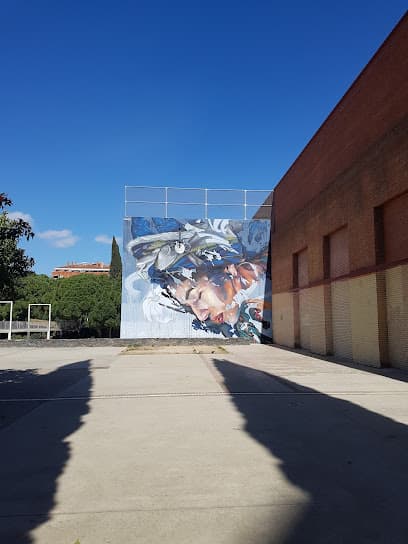
A sun-baked slab of concrete where the rhythmic thwack of a ball against stone serves as the soundtrack to a neighborhood still clinging to its gritty, industrial Poblenou soul.
0.0(0)
Park
ATTRACTION
Saraya Express
Sant Martí
A specialized travel outpost tucked away in Sant Martí. Saraya Express is where the logistics of a trip to Cairo meet the grit of Barcelona’s daily grind, far from the tourist-trap fluff.
0.0(0)
Tourist attraction
Frequently Asked Questions
Is Parc de la Nova Icària worth visiting?
Yes, especially if you want to escape the tourist crowds. It offers a unique look at Barcelona's 1992 Olympic legacy and provides a peaceful, local atmosphere just a two-minute walk from the beach.
What is the lake in the park shaped like?
The large central lake is designed in the silhouette of the Greek island of Icaria, a tribute to the 19th-century utopian community 'Nova Icària' that once occupied this industrial district.
How do I get to Parc de la Nova Icària?
The easiest way is via the L4 Metro (Yellow Line) to the Ciutadella | Vila Olímpica station, followed by a 10-minute walk toward the coast.
Reviews
0 reviews for Parc de la Nova Icària
No reviews yet. Be the first to share your experience!