4.2
4,751 verified reviews
About
Forget the whimsical gingerbread houses and the selfie-stick-wielding hordes of Park Güell for a second. If you want to see how Barcelona actually breathes when the sun starts melting the asphalt, you head higher up the hill. You go to Parc de la Creueta del Coll. This isn't a manicured garden designed to look like a fairy tale; it’s a scar on the landscape that’s been healed with concrete and water.
Originally a granite quarry known as the Pedrera del Coll, the city turned this industrial void into a public park in the late eighties. It’s a masterclass in urban reclamation. You walk in and the first thing that hits you isn't the smell of flowers, but the sheer verticality of the rock walls. It’s a crater of leisure. The centerpiece, the thing that makes art students and architecture nerds weep, is Eduardo Chillida’s 'Elogio del Agua' (Eulogy to Water). It’s a fifty-four-ton claw of solid concrete, suspended by thick steel cables over a shimmering pool. It was hoisted into place in 1987, a year when the city was frantically reinventing its industrial scars for the upcoming Olympics. It looks like the hand of a dead god trying to snatch a drink from the earth. It’s heavy, it’s brutal, and it’s magnificent in its refusal to be 'pretty.'
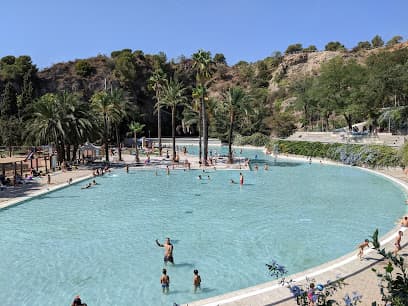
In the summer, the large, shallow lake at the base of the quarry transforms into one of the best public swimming pools in Barcelona. This isn't a resort experience. It’s loud, it’s crowded with local families from the surrounding Gràcia and El Coll neighborhoods, and the water is barely waist-deep. But when the mercury hits thirty-five degrees, this 'refugio climático' (climate shelter) is the only place that matters. You’ll see grandmothers in floral swimsuits gossiping in the shallows while kids do cannonballs under the shadow of a multi-million dollar masterpiece. There’s something deeply democratic about it—high art serving as a backdrop for a cheap afternoon dip.
The park itself sprawls upward. There are basketball courts where teenagers settle grudges, picnic tables where people tear into crusty bread and jamón, and winding paths that lead to viewpoints most tourists never bother to find. From the top, you can see the city stretching out toward the Mediterranean, framed by the jagged edges of the old quarry. It feels isolated from the chaos of the center, a pocket of resistance against the gentrification eating the rest of the city alive.
Is it perfect? No. The walk from the metro is a calf-burning ascent that will make you question your life choices. The facilities are basic—don't expect luxury changing rooms or artisanal lattes. The café is a standard-issue chiringuito serving cold beer and salty snacks. But that’s the point. It’s honest. It’s a place where the city’s industrial past meets its sun-drenched present. If you’re looking for the 'best parks in Barcelona' and you’re tired of the curated, polished versions sold in guidebooks, this is your spot. It’s raw stone, hanging concrete, and the sound of a neighborhood cooling off. It’s the kind of place that reminds you why people actually live here, rather than just visit. It is a functional piece of the city's lungs, a place where the sun-bleached concrete tells a story of a city that refuses to be just a museum for the amusement of others.
Type
Park, Tourist attraction
Duration
2-3 hours
Best Time
Weekday mornings in July for the pool, or sunset in autumn for the views and the sculpture without the crowds.
What People Say
pool(470)lake(100)depth(48)eduardo chillida(39)lifeguards(17)seating capacity(13)bathroom sink(13)hills(10)
Features
Park
Tourist attraction
Categories
ArchitecturePublic PoolSculptureModernism
Ticket Prices
Free Admission
No tickets required
Opening Hours
- Monday10 AM to 9 PM
- Tuesday10 AM to 9 PM
- Wednesday10 AM to 9 PM
- Thursday10 AM to 9 PM
- Friday10 AM to 9 PM
- Saturday10 AM to 9 PM
- Sunday10 AM to 9 PM
Must-See Highlights
Elogio del Agua sculpture by Eduardo Chillida
The sheer granite quarry walls
Panoramic views of the city from the upper paths
The shallow turquoise swimming lake (summer only)
Visitor Tips
Bring your own shade; the concrete areas around the pool get incredibly hot and umbrellas are scarce.
The walk from the metro is steep—wear decent shoes, not flimsy flip-flops.
Check the local news for 'refugio climático' status; during heatwaves, entry is sometimes free or discounted for vulnerable groups.
Good For
Families with young childrenArchitecture enthusiastsBudget travelersLocals
Why Visit
Suspended 54-ton Eduardo Chillida sculpture 'Elogio del Agua'
Former granite quarry transformed into a brutalist urban oasis
Shallow public swimming lake that serves as a neighborhood 'climate shelter'
Nearby Landmarks
- Park Güell (15-minute walk via steep hills)
- Bunkers del Carmel (25-minute walk)
- Biblioteca Jaume Fuster (20-minute walk)
Accessibility
- Wheelchair accessible entrance
- Accessible restrooms
- Elevators available at nearby Metro El Coll-La Teixonera
Location
Passeig de la Mare de Déu del Coll, 77
Gràcia, Barcelona
Nearby Hotels
Nearby Restaurants
In Gràcia
ATTRACTION
Maison Sara
Gràcia
Forget the mass-produced kitsch on La Rambla. This is Gràcia at its best: a tactile, clay-smeared workshop where the art is as raw and honest as the neighborhood itself.
0.0(0)
Tourist attraction
ATTRACTION
Intercambiador de libros
Gràcia
A humble, weather-beaten box in the hills of Vallcarca where local history is traded one dog-eared paperback at a time. No tourists, no Wi-Fi, just paper and community.
0.0(0)
Park
ATTRACTION
View
Gràcia
Forget the elbow-to-elbow chaos of Park Güell. This is the raw, vertical soul of Gràcia, where the city unfolds in a silent, sun-drenched sprawl at your feet.
0.0(0)
Garden
Frequently Asked Questions
Is Parc de la Creueta del Coll worth visiting?
Yes, especially if you appreciate brutalist architecture or want to escape the tourist crowds. The Chillida sculpture is a monumental feat of industrial engineering, and the park offers an unfiltered neighborhood energy you won't find at Park Güell.
When is the swimming pool open?
The pool typically opens from late June through early September. During the rest of the year, it remains a decorative lake. Always check the Barcelona city council website for specific dates and drought-related closures.
How do I get to Parc de la Creueta del Coll?
Take the Metro L5 (Blue Line) to El Coll-La Teixonera and follow the signs for the 'Passeig de la Mare de Déu del Coll' exit. Be prepared for a steep walk, or take the 22 or 87 bus which drops you closer to the entrance.
How much does the pool cost?
Entry to the park is free, but the swimming area requires a ticket during the summer season, usually costing between €2 and €3. Discounts are often available for large families, children, and seniors.
Reviews
0 reviews for Parc de la Creueta del Coll
No reviews yet. Be the first to share your experience!