About
Forget the glitz of Passeig de Gràcia. Forget the designer boutiques and the five-euro espressos. To find the real heart of this city, you have to climb. You head north, past the trendy plazas of the Vila, and into the steep, lung-burning inclines of 08023—the Vallcarca and El Coll neighborhoods. This is the 'high' Gràcia, a place of concrete stairs, laundry hanging over narrow alleys, and a stubborn, old-school resistance to the gentrification eating the rest of Barcelona alive. And here, tucked away in a quiet corner of a neighborhood park, you’ll find the Intercambiador de libros.
It isn’t much to look at. It’s a box. A simple, often weather-beaten wooden or metal cabinet that looks like it might have once held electrical components or gardening tools. But inside? Inside is a chaotic, beautiful, and entirely uncurated history of the people who live here. This is the neighborhood’s communal brain, exposed to the elements. You’ll find a 1970s Catalan poetry collection sitting next to a discarded German thriller, a stained cookbook, and maybe a radical anarchist pamphlet from the eighties. It’s a protein rush for the curious, a tactile reminder that in a world of digital noise, the physical object still carries weight.
Walking up to this thing feels like a secret handshake. There are no signs in English telling you to 'Take a book, leave a book.' You just know. You see an old man in a flat cap carefully placing a stack of newspapers inside, or a student swapping a heavy textbook for something that looks like it might offer an escape. It’s a quiet, low-stakes rebellion against the idea that everything must be bought, sold, or monetized. In a city that sometimes feels like it’s being sold off piece by piece to the highest bidder, this little box is a middle finger to the machine.
Don’t come here expecting a pristine library. The hinges might squeak, the glass might be smudged, and half the time, the selection is, frankly, terrible. You might find nothing but outdated computer manuals and romance novels with Fabio on the cover. But that’s the risk. That’s the point. Travel, like reading, should involve a bit of a gamble. You’re not here for a guaranteed win; you’re here for the possibility of a discovery. You’re here to see what the grandmother on the third floor decided she didn’t need anymore, and what the guy in the punk vest thought was worth sharing.
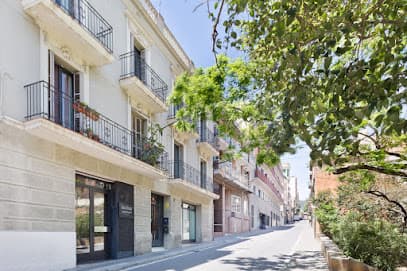
The atmosphere in this part of Gràcia is different. It’s quieter, grittier, and infinitely more honest. The air is a little cooler up here, and the views of the city below—the Sagrada Família looking like a melting sandcastle in the distance—remind you that you’ve escaped the bubble. Sit on a nearby stone bench, crack open a book you’ve never heard of, and listen to the sound of the neighborhood: the clatter of a passing scooter, the distant shout of kids playing football, the rustle of leaves. This is the Barcelona that doesn't make it into the glossy brochures, and it’s all the better for it. It’s raw, it’s real, and it’s free. If you can’t appreciate that, you’re in the wrong city.
Type
Park
Features
Park
Categories
CommunityLiteratureLocal LifePark
Opening Hours
- MondayOpen 24 hours
- TuesdayOpen 24 hours
- WednesdayOpen 24 hours
- ThursdayOpen 24 hours
- FridayOpen 24 hours
- SaturdayOpen 24 hours
- SundayOpen 24 hours
Accessibility
- Outdoor public space
- Steep terrain in the surrounding neighborhood
Location
Gràcia, Barcelona
Nearby
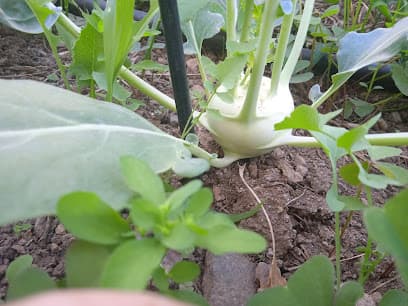
ATTRACTION
Hort veïnal
50 m · Gràcia
A defiant patch of dirt and rosemary in the shadow of the Vallcarca bridge, where the neighborhood grows its own future and tells the developers to go to hell.
0.0(0)
Garden
ATTRACTION
Huerto Urbano
50 m · Gràcia
A defiant patch of green in the shadow of the Vallcarca bridge where neighbors grow tomatoes and fight gentrification with dirt under their fingernails and a middle finger to developers.
0.0(0)
Community garden
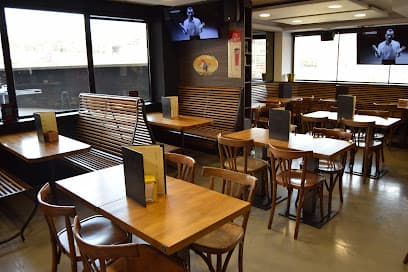
RESTAURANT
Ben Tips
€€100 m · Gràcia
A no-nonsense Gràcia staple where the terrace is huge, the burgers are messy, and the legendary patatas bravas have been fueling the neighborhood for years.
4.0(2K)
RestaurantAmerican restaurant
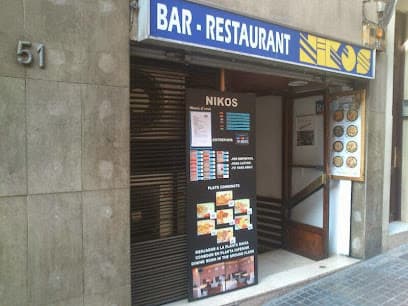
RESTAURANT
Restaurante Nikos
€€300 m · Gràcia
A Catalan restaurant on Carrer de la Mare de Déu del Coll in Gràcia, open from 7:30 AM, rated 3.9 from 57 Google reviews.
3.9(57)
Catalonian restaurant
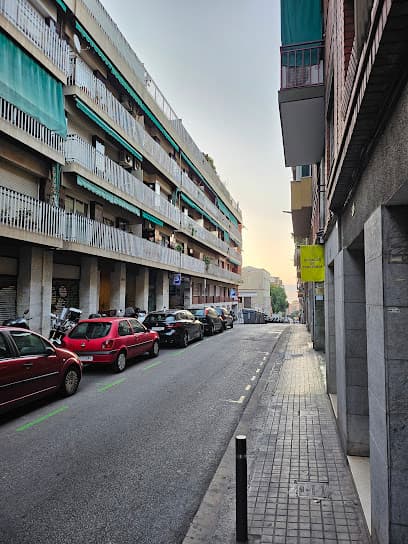
HOTEL
Rocket Hostels - Gràcia
€250 m · Gràcia
Forget the sweaty dorms of your youth; this is Gràcia’s space-age sanctuary where privacy curtains and communal dinners prove that budget travel doesn't have to be a total dumpster fire.
4.3(269)
Hostel
HOTEL
BcnStop Parc Güell
€250 m · Gràcia
Holiday apartments with kitchens on Carrer de Bolívar in Gràcia, rated 4.7 from 313 Google reviews.
4.7(313)
HotelApartment building
Frequently Asked Questions
Is the Intercambiador de libros worth visiting?
Yes, if you want to see the unvarnished, non-touristy side of Gràcia. It's a humble community spot, not a major landmark, but it offers a genuine glimpse into neighborhood life.
What should I bring to the book exchange?
Bring a book you've finished and are willing to part with. It can be in any language, though you'll mostly find Catalan and Spanish titles.
How do I get to the Vallcarca book exchange?
Take the L3 Metro to Vallcarca or Lesseps. From there, it's a steep but rewarding walk up into the hills of the 08023 zip code area.
Is there a cost to use the book exchange?
No, it is completely free. The philosophy is 'take one, leave one,' based on community trust.
Reviews
0 reviews for Intercambiador de libros
No reviews yet. Be the first to share your experience!