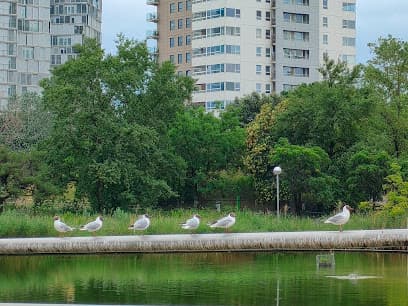
5.0
1 verified reviews
About
Barcelona doesn't just do parks; it does architectural statements that occasionally double as places to sit. Parc de Diagonal Mar is what happens when you give a genius like Enric Miralles a massive plot of post-industrial wasteland and tell him to make it breathe. It’s the end of the line—literally, the point where the massive Avinguda Diagonal finally surrenders to the Mediterranean. It is a place of hard edges, twisted metal, and a strange, compelling beauty that refuses to play by the rules of traditional landscaping.
Walking in, you aren't greeted by manicured rose bushes or quaint gravel paths. Instead, you get hit with these massive, lunging tubular structures that look like the skeletal remains of a giant sea monster emerging from the earth. It’s deconstructivism you can climb on. This isn't the romanticized, postcard-ready Barcelona of the Gothic Quarter. This is the Barcelona that looks forward, sometimes so fast it forgets to look back. The park is a sprawling 14-hectare testament to the city's desire to reinvent itself, built on the site of an old smelting plant. You can still feel that industrial ghost in the air, mixed with the salt spray from the nearby beach.
The centerpiece, if you can call it that, is the water. Miralles and his partner Benedetta Tagliabue designed this place to be sustainable long before that became a marketing buzzword. The lake isn't just for show; it’s part of a complex system that uses groundwater to keep the park alive. But let’s be real: most people aren't here for the hydro-engineering. They’re here for the slides. The toboggans. These aren't the plastic, safety-first toys you find in a suburban mall. They are massive, wide concrete chutes that will ruin a pair of expensive jeans if you aren't careful. You’ll see local kids, and more than a few brave adults, hurtling down them with a mix of terror and joy. It’s visceral, it’s loud, and it’s exactly what a park should be.
The park is divided into seven distinct areas, each with a name that sounds like a chapter from a lost modernist novel—"The Finger," "The Sea," "The Man." It’s a bit pretentious on paper, sure, but the execution is raw. There’s a constant tension here between the organic and the industrial. The way the metal pipes mimic the movement of water, or the way the trees struggle to reclaim space from the concrete waves. It’s beautiful in a way that’s slightly uncomfortable, like a good piece of jazz that hits a few dissonant notes on purpose.
If you’re looking for a quiet place to read a book, you might find it in the shaded groves near the back, but the park’s true energy is elsewhere. It’s in the skaters grinding on the concrete curves, the families from the nearby high-rises picnicking under the metal sculptures, and the joggers weaving through the labyrinthine paths. You are in Sant Martí, a neighborhood that has traded its factories for glass towers and tech hubs, and this park is its lungs.
Is it for everyone? Absolutely not. If you want the whimsical curves of Gaudí and the fairytale vibe of Park Güell, stay on the bus. If you want to see how a modern city tries to reconcile its gritty industrial past with its high-gloss seaside future, come here. It’s a bit rough around the edges, the sun reflects off the pavement with a vengeance in July, and the wind can whip through the open spaces like a freight train. But it’s honest. It’s a park for the people who actually live in this city, not just the ones passing through with a selfie stick. Bring a bottle of water, wear shoes with grip, and leave the expectations at the gate. This is a sprawling, metallic, concrete-heavy masterpiece of the "New Barcelona," and like the city itself, it doesn't care if you like it or not.
Type
Park
Duration
1-2 hours
Best Time
Late afternoon when the sun is lower to avoid the heat of the concrete and catch the golden light on the metal structures.
Features
Park
Categories
ArchitectureModernismFamily FriendlyOutdoor Activity
Ticket Prices
Free Admission
No tickets required
Must-See Highlights
The giant concrete slides (toboggans)
The 'Sea' area with its tubular metal sculptures
The central lake and its sustainable water features
The 'Magic Mountain' play area
Visitor Tips
Bring a piece of cardboard or wear thick pants for the slides to go faster and protect your clothes.
The park offers very little shade in the central areas, so bring sunscreen and water.
Combine your visit with a trip to the nearby Platja de Llevant for a full afternoon out.
Good For
Families with childrenArchitecture studentsSkatersBudget travelersPhotography enthusiasts
Why Visit
Avant-garde deconstructivist design by Enric Miralles and Benedetta Tagliabue
Massive concrete 'toboggans' that provide a thrill for both kids and adults
Sustainable water management system integrated into a large central lake
Nearby Landmarks
- Diagonal Mar Shopping Centre (2-minute walk)
- Museu de Ciències Naturals de Barcelona - Museu Blau (10-minute walk)
- Platja de Llevant (8-minute walk)
- Parc del Fòrum (12-minute walk)
Accessibility
- Wheelchair accessible paths
- Flat terrain in most areas
- Accessible by public transport
Location
Carrer de Josep Pla, 11X
Sant Martí, Barcelona
Nearby Hotels
Nearby Restaurants
In Sant Martí
ATTRACTION
LOS CERDINS HOUSE
Sant Martí
A raw, repurposed industrial relic in the heart of Sant Martí, Los Cerdins House is a testament to the neighborhood's manufacturing soul, where red-brick history meets the sharp, creative edge of modern Barcelona.
0.0(0)
Tourist attraction
ATTRACTION
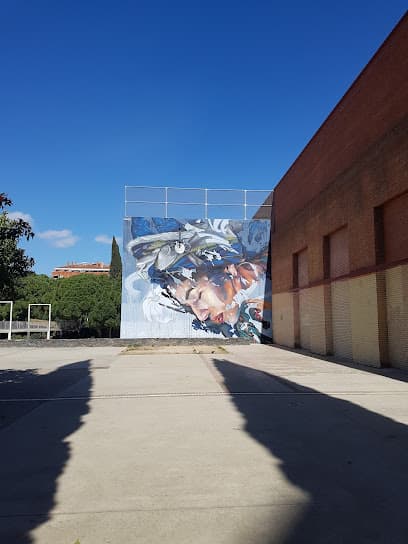
Pista de frontó
Sant Martí
A sun-baked slab of concrete where the rhythmic thwack of a ball against stone serves as the soundtrack to a neighborhood still clinging to its gritty, industrial Poblenou soul.
0.0(0)
Park
ATTRACTION
Saraya Express
Sant Martí
A specialized travel outpost tucked away in Sant Martí. Saraya Express is where the logistics of a trip to Cairo meet the grit of Barcelona’s daily grind, far from the tourist-trap fluff.
0.0(0)
Tourist attraction
Frequently Asked Questions
Is Parc de Diagonal Mar worth visiting?
Yes, especially if you appreciate avant-garde architecture or have kids who need to burn energy on the massive concrete slides. It offers a unique, non-touristy look at Barcelona's modern urban planning.
What should I know before going to the slides?
The slides are made of concrete and can get very hot in the direct summer sun. Wear durable clothing (like denim) to avoid scrapes or fabric burns, and check the temperature of the surface before letting children slide.
How do I get to Parc de Diagonal Mar?
Take the Metro Line 4 (Yellow Line) to either Selva de Mar or El Maresme | Fòrum stations. The park is a short 5-minute walk from either stop, located right next to the Diagonal Mar shopping center.
Is there an entrance fee for the park?
No, the park is a public space and is completely free to enter. It is a great budget-friendly option for families and architecture enthusiasts.
Reviews
0 reviews for Parc de Diagonal Mar
No reviews yet. Be the first to share your experience!