4.5
7,885 verified reviews
About
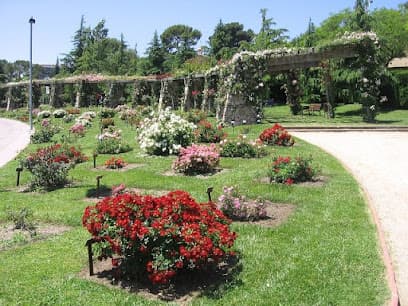
You find yourself at the very end of the Avinguda Diagonal, where the glass-and-steel corporate machinery of Barcelona finally runs out of steam and gives way to something unexpectedly soft. This isn't the Barcelona of the guidebooks. There are no undulating Gaudí chimneys here, no Gothic gargoyles, and mercifully, no guys in knock-off Messi jerseys trying to sell you plastic whistles. Parc de Cervantes is a four-hectare lung of green and floral obsession sitting in the neighborhood of Les Corts, and if you time it right, it’s a sensory overload that’ll knock the wind out of you.
The star of the show is the Roserar de Cervantes. We aren’t talking about a few decorative bushes. We’re talking about ten thousand rose bushes representing over two thousand varieties. It is, for lack of a better term, botanical porn. In the peak of spring—specifically May—the air here is thick, almost syrupy, with the scent of a million blooms. It’s the kind of place where breeders from across the globe descend for the Concurs Internacional de Roses Noves de Barcelona, an international competition where new rose varieties are judged with the kind of intensity usually reserved for Olympic gymnastics or high-stakes poker. They look for scent, color, and resilience, crowning a 'Queen of the Roses' while the rest of the city is busy fighting for a spot on the beach.
But the park is more than just a trophy case for flowers. It’s a window into a very specific, very quiet side of local life. Walk the gravel paths and you’ll see the 'opositores'—the students and aspiring civil servants hunched over massive binders on the park benches. In Spain, the 'oposición' is a grueling, multi-year marathon of memorization for a government job, and Parc de Cervantes is their open-air purgatory. They sit in the shade of the lime trees and cedars, muttering legal codes to themselves while joggers from the nearby university district sweat through their shirts on the perimeter paths.
The park is tiered, rolling down the hillside in a series of grassy terraces that offer a rare commodity in Barcelona: actual, honest-to-god space. You can find a patch of grass here and not have to share it with five other groups of tourists. It’s a place for long, aimless strolling, for sitting under a pergola and watching the light shift over the petals. There’s a quiet dignity to it, a lack of pretension that you won't find at Park Güell.
Is it worth the trek? If you’re here in the dead of winter, you’re looking at a lot of dormant wood and dirt—a skeleton of what could be. But from late April through June, it is arguably the best park in Barcelona for anyone who needs to escape the claustrophobia of the old city. It’s a reminder that Barcelona isn't just a museum of the 19th-century avant-garde; it’s a living, breathing city that knows how to cultivate a little peace at the end of the line. Just hop on the L3 metro, ride it until the city starts to feel thin, and follow your nose. It’s free, it’s honest, and it smells better than anything else in the 08034 zip code.
Type
Park, Tourist attraction
Duration
1-2 hours
Best Time
May is the peak blooming month and the best time to experience the full fragrance and color of the roses.
What People Say
roses(764)strolling(311)spring(212)competitive examination(120)may(106)zip-line(31)species(30)herbal(11)
Features
Park
Tourist attraction
Categories
Botanical GardenNaturePhotographyGardens
Ticket Prices
Free Admission
No tickets required
Opening Hours
- Monday10 AM to 9 PM
- Tuesday10 AM to 9 PM
- Wednesday10 AM to 9 PM
- Thursday10 AM to 9 PM
- Friday10 AM to 9 PM
- Saturday10 AM to 9 PM
- Sunday10 AM to 9 PM
Must-See Highlights
The Roserar de Cervantes collection
The 'Solidaritat' sculpture
The pergolas covered in climbing roses
The views of the city from the upper terraces
Visitor Tips
Visit in the early morning or late afternoon in May to avoid the midday heat and catch the strongest floral scents.
Bring a blanket and some supplies from a local bakery; this is one of the few parks where sitting on the grass is encouraged.
Combine this with a visit to the nearby Palau Reial gardens for a full afternoon of greenery.
Good For
FamiliesCouplesNature loversBudget travelersSolo travelers
Why Visit
Over 10,000 rose bushes and 2,000 varieties in a dedicated botanical collection
Host of the prestigious International New Rose Competition every May
One of the few large green spaces in Barcelona with expansive lawns for sunbathing and picnics
Nearby Landmarks
- Palau Reial de Pedralbes (10-minute walk)
- Camp Nou Stadium (20-minute walk or 5-minute tram ride)
- Monestir de Pedralbes (25-minute walk or short bus ride)
Accessibility
- Wheelchair accessible paths
- Accessible entrance from Av. Diagonal
- Some steep slopes in the tiered sections
Location
Av. Diagonal, 706
Les Corts, Barcelona
Nearby Hotels
Nearby Restaurants
In Les Corts
ATTRACTION
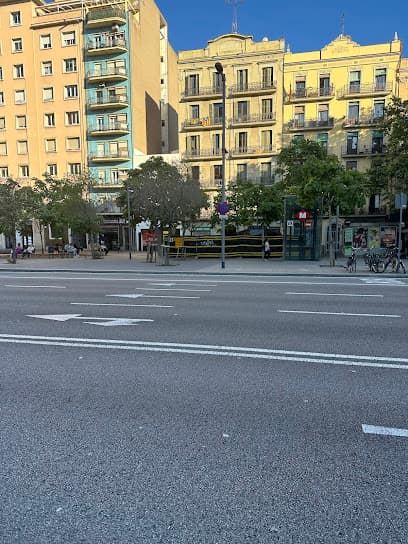
Placa commemorativa 'El Congrés de Sants de la CNT de 1918'
Les Corts
A humble plaque marking the spot where the CNT redefined the labor struggle in 1918. No gift shops here, just the ghosts of the 'Rose of Fire' and the grit of Sants.
0.0(0)
Memorial park

ATTRACTION
City Bus Tour Stop Plaça Pius XII
Les Corts
A sun-baked slab of pavement on the Diagonal where the double-deckers pause to vent exhaust and drop off pilgrims heading for the altar of FC Barcelona.
0.0(0)
Tourist attraction
ATTRACTION
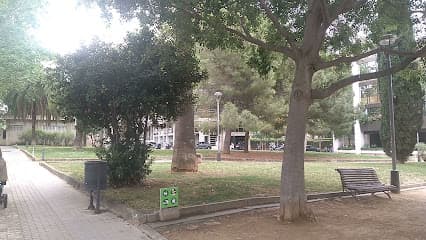
Jardins de la Font dels Ocellets
Les Corts
A quiet, unpretentious slice of Les Corts where the only thing louder than the fountain is the sound of locals actually living their lives away from the Gaudí-obsessed crowds.
0.0(0)
Garden
Frequently Asked Questions
Is Parc de Cervantes worth visiting?
Yes, absolutely, but primarily between late April and July when the roses are in bloom. Outside of the flowering season, it is a pleasant but standard park; during the spring, it is one of the most spectacular sensory experiences in the city.
What should I see at Parc de Cervantes?
The highlight is the Roserar (Rose Garden) which features over 10,000 bushes. Look for the award-winning varieties from the International New Rose Competition and enjoy the shaded pergolas and wide grassy areas perfect for a picnic.
How do I get to Parc de Cervantes?
Take the L3 (Green Line) Metro to the Zona Universitària station. The park entrance is a short 5-minute walk from the station, located right at the end of Avinguda Diagonal.
Is there an entrance fee for Parc de Cervantes?
No, entrance to the park and the rose gardens is completely free for the public, making it one of the best budget-friendly activities in the Les Corts neighborhood.
Reviews
0 reviews for Parc de Cervantes
No reviews yet. Be the first to share your experience!