4.2
468 verified reviews
About
The 1992 Olympics didn’t just give Barcelona a facelift; they performed a radical, scorched-earth reconstructive surgery on the city’s coastline. They tore down the soot-stained factories of Poblenou and replaced them with the Vila Olímpica—a dream of Mediterranean modernism that, decades later, feels like a strange, quiet bubble compared to the chaotic pulse of the Ciutat Vella. Parc de Carles I is the grassy expanse of this experiment, a long, V-shaped stretch of lawn and stone that serves as a buffer between the roaring traffic of Avinguda d'Icària and the Mediterranean Sea.
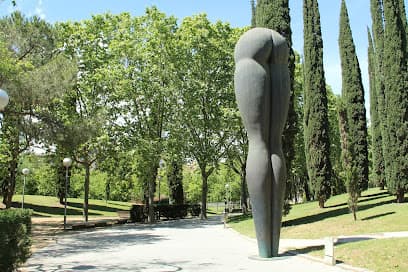
Let’s address the elephant in the room—or rather, the giant bronze ass. The park’s most famous resident is 'A Santiago,' a 6.5-meter-tall sculpture by Eduardo Úrculo. Locally and affectionately known as 'El Cul' (The Ass), it is exactly what it sounds like: a massive, disembodied pair of buttocks perched on a pedestal. It’s the kind of irreverent, slightly absurd public art that reminds you that even in its most planned, sterile neighborhoods, Barcelona refuses to take itself too seriously. It’s a tribute to the traveler, supposedly, but mostly it’s a landmark for kids to play around and for tourists to do a double-take while looking for the beach.
Walking through Parc de Carles I isn't about checking off a box on a 'best things to do in Barcelona' list. It’s about the transition. The park is defined by its rows of cypress trees—tall, dark sentinels that give the space a slightly melancholic, almost Roman feel—and its wide, sloping lawns. In a city where every square inch of shade is contested territory, the sheer amount of open grass here is a luxury. You won’t find the buskers or the overpriced mojito vendors of the Gothic Quarter here. Instead, you’ll find the locals: the morning joggers from the nearby apartments, the retirees sitting on stone benches, and the dog owners who have turned this into an unofficial canine social club.
There’s a certain 90s-modernist aesthetic that permeates the place. The stone walls are sharp, the paths are geometric, and the water features—when the city isn't in the middle of a drought—are designed to be sleek and unobtrusive. It can feel a bit cold if you’re looking for the crumbling charm of the old city, but after three days of dodging selfie sticks on La Rambla, the relative silence of Carles I is a godsend. It’s a place to breathe, to read a book under a tree, or to simply watch the light change as the sun dips toward the Port Olímpic.
Is it perfect? No. The proximity to the main road means you never quite lose the hum of the city, and some of the paved areas feel a bit weathered, showing the cracks of thirty-plus years of salt air and sun. But it’s honest. It’s a park that actually serves the people who live here rather than the people who are just passing through. If you’re heading to Nova Icària beach and the crowds are starting to make you feel claustrophobic, take a detour here. Sit on the grass, look at the giant bronze butt, and appreciate a corner of Barcelona that isn't trying to sell you a souvenir t-shirt. It’s a quiet, green slice of the 'New Barcelona' that still feels like it belongs to the neighborhood.
Type
Park, Tourist attraction
Duration
45-60 minutes
Best Time
Late afternoon when the sun is lower and the neighborhood locals come out to walk their dogs.
What People Say
lawn(8)beach(8)reading(6)kids(6)dogs(5)bank(5)ideal(4)barcelona(3)
Features
Park
Tourist attraction
Categories
Public ArtModernismDog ParkOlympic Heritage
Ticket Prices
Free Admission
No tickets required
Opening Hours
- MondayOpen 24 hours
- TuesdayOpen 24 hours
- WednesdayOpen 24 hours
- ThursdayOpen 24 hours
- FridayOpen 24 hours
- SaturdayOpen 24 hours
- SundayOpen 24 hours
Must-See Highlights
The 'A Santiago' (El Cul) sculpture
The rows of Mediterranean cypress trees
The views toward the Mapfre Tower and Hotel Arts
Visitor Tips
Bring a blanket; the lawns are some of the best in the area for a quiet picnic away from beach sand.
Keep an eye out for the green parrots (monk parakeets) that nest in the trees.
Combine this with a walk through the nearby Olympic Village to see the 1992 architecture.
Good For
Dog ownersFamilies with kidsBudget travelersArt loversJoggers
Why Visit
The 'El Cul' Sculpture: A massive, irreverent bronze tribute to the human backside by Eduardo Úrculo.
Olympic Legacy: A surviving piece of the urban transformation of the 1992 Olympic Village.
Dog-Friendly Space: One of the best spots in the neighborhood for locals to exercise their dogs on wide lawns.
Nearby Landmarks
- 5-minute walk from Nova Icària Beach
- 8-minute walk from Port Olímpic
- 12-minute walk from Parc de la Ciutadella
- 10-minute walk from Pompeu Fabra University (Poblenou Campus)
Accessibility
- Flat paved paths
- Wheelchair accessible entrances
- Accessible by public transport
Location
Av. d'Icària, 121
Sant Martí, Barcelona
Nearby Hotels
Nearby Restaurants
In Sant Martí
ATTRACTION
LOS CERDINS HOUSE
Sant Martí
A raw, repurposed industrial relic in the heart of Sant Martí, Los Cerdins House is a testament to the neighborhood's manufacturing soul, where red-brick history meets the sharp, creative edge of modern Barcelona.
0.0(0)
Tourist attraction
ATTRACTION
Pista de frontó
Sant Martí
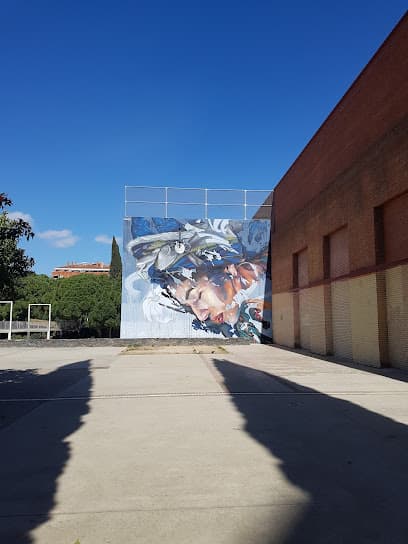
A sun-baked slab of concrete where the rhythmic thwack of a ball against stone serves as the soundtrack to a neighborhood still clinging to its gritty, industrial Poblenou soul.
0.0(0)
Park
ATTRACTION
Saraya Express
Sant Martí
A specialized travel outpost tucked away in Sant Martí. Saraya Express is where the logistics of a trip to Cairo meet the grit of Barcelona’s daily grind, far from the tourist-trap fluff.
0.0(0)
Tourist attraction
Frequently Asked Questions
Is Parc de Carles I worth visiting?
It is worth it if you are already in the Vila Olímpica or heading to the beach and want a quiet place to relax. It’s not a major tourist landmark, but the 'El Cul' sculpture is worth a look for its sheer absurdity.
What is the famous sculpture in Parc de Carles I?
The sculpture is called 'A Santiago' by Eduardo Úrculo, but it is universally known as 'El Cul' because it depicts a giant pair of bronze buttocks.
How do I get to Parc de Carles I?
The easiest way is via the L4 Metro (Yellow Line), getting off at either Ciutadella-Vila Olímpica or Bogatell. It is also a short walk from the Port Olímpic.
Is the park good for children?
Yes, there are wide open lawns for running around and it is much less crowded than the nearby Parc de la Ciutadella, making it safer for kids to play.
Reviews
0 reviews for Parc de Carles I
No reviews yet. Be the first to share your experience!