4.4
938 verified reviews
About
Step off La Rambla and you’re immediately hit by the meat-grinder noise of the street—the screech of scooters, the smell of fried dough, and the relentless tide of tourists looking for something they can’t quite name. But then there’s Palau Moja. It sits on the corner of Portaferrissa like a dignified old aristocrat trying to ignore a riot. Most people walk right past the heavy stone facade, distracted by the nearby shops, but if you have any interest in what actually makes this city tick, you’ll push through the doors.
Built in the late 1700s for the Marquis of Moja, this place is a masterclass in Neoclassical restraint on the outside and high-society drama on the inside. It’s currently branded as the 'Catalan Heritage House,' which sounds a bit like a government brochure, but don't let the official branding fool you. The ground floor is a slick, well-curated space where you can find actual Catalan crafts and books that aren't made of cheap plastic. It’s a relief from the souvenir junk being peddled ten feet away on the street. But the real soul of the building—the parts you can’t always get into—is upstairs.
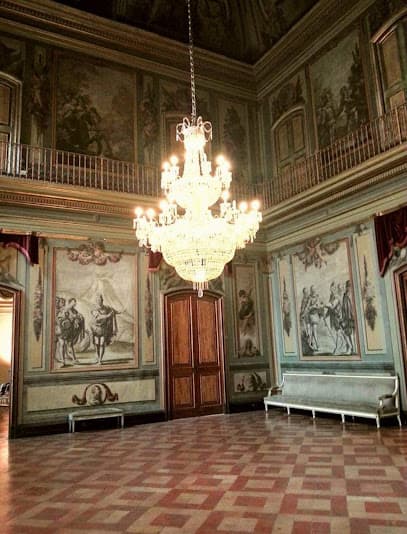
The Great Hall, or the Saló de Vigatà, is the kind of room that makes you want to stop talking. The walls are covered in murals by Francesc Pla, known as 'El Vigatà,' and they depict scenes that feel both ancient and strangely alive under the soft light. It’s the kind of heavy, dust-caked elegance that defines the best parts of the Gothic Quarter. You can almost hear the rustle of silk and the hushed conspiracies of the 18th-century elite. This wasn't just a house; it was a statement of power and wealth in a city that was rapidly outgrowing its medieval walls.
Speaking of wealth, the history here isn't all gilded mirrors and pretty paintings. In the 19th century, the palace was bought by Antonio López y López, the Marquis of Comillas. He was one of the richest men in Spain, a titan of industry who also happened to be heavily involved in the slave trade. Barcelona is a city built on layers, and some of those layers are dark. Standing in these opulent rooms, you have to reckon with the fact that this beauty was funded by human misery. It’s a heavy thought, but an honest one, and it’s what separates a real historical site from a sanitized theme park.
Today, the palace serves as a gateway to the rest of Catalonia. The tourism office here is actually useful—less about selling bus tours and more about explaining the deep, often stubborn cultural identity of the region. It’s a place for the curious, for those who want to understand the architecture of power and the persistence of heritage behind thick stone walls.
Is it worth it? If you’re looking for a rollercoaster, no. But if you want to see where the Enlightenment met the industrial age, and where the city’s complicated heart still beats, then yes. It’s a sanctuary of sorts—a place to catch your breath, look at some haunting 18th-century murals when they are accessible, and remember that Barcelona was a formidable, complex, and sometimes ruthless city long before the first cruise ship ever docked at the port.
Type
Tourist attraction
Duration
1 hour
Best Time
Weekday mornings to avoid the peak Rambla foot traffic and enjoy the quiet ground floor.
Guided Tours
Available
What People Say
history(22)tourism office(11)cafe(10)information(9)souvenirs(8)muy interesante(7)palace(7)products(5)
Features
Tourist attraction
Categories
ArchitectureHistoryArt GalleryCultural Center
Ticket Prices
child€0
Opening Hours
- MondayClosed
- TuesdayClosed
- WednesdayClosed
- ThursdayClosed
- FridayClosed
- Saturday9 AM to 6:30 PM
- Sunday10 AM to 7 PM
Must-See Highlights
Saló de Vigatà murals
The grand staircase
The Catalan Heritage House shop
Visitor Tips
Don't just look at the shop; ask at the desk if the upstairs rooms are open for viewing.
Check out the book section for rare titles on Catalan history and architecture.
Good For
History buffsArchitecture loversSolo travelers seeking quietArt enthusiasts
Why Visit
The Saló de Vigatà murals by Francesc Pla, a masterpiece of 18th-century Catalan art.
A high-end 'Catalan Heritage' shop that avoids the typical tourist trap junk found on La Rambla.
A rare example of a grand Neoclassical aristocratic residence preserved in the heart of the old city.
Nearby Landmarks
- 3-minute walk from La Boqueria Market
- 5-minute walk from Barcelona Cathedral
- 6-minute walk from Plaça de Catalunya
- Located on the corner of La Rambla
Accessibility
- Wheelchair accessible ground floor
- Elevator access to upper floors
Location
Carrer de la Portaferrissa, 1
Ciutat Vella, Barcelona
Nearby Hotels
Nearby Restaurants
In Ciutat Vella
ATTRACTION
Park
Ciutat Vella
A thousand years of silence tucked behind a Romanesque monastery, where the grit of El Raval dissolves into ancient stone, cool shadows, and the heavy weight of history.
0.0(0)
Park
ATTRACTION
BARSHELONA
Ciutat Vella
Forget the plastic bulls and tacky magnets. This is where Barcelona’s soul is bottled into art, a small sanctuary of local design hidden in the shadows of the Gothic Quarter.
0.0(0)
Tourist attraction
ATTRACTION
Minajoe art
Ciutat Vella
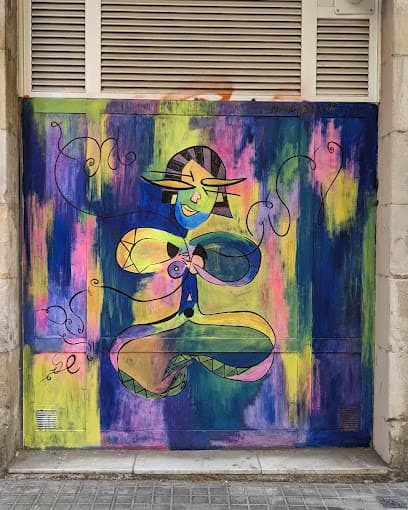
A raw, paint-splattered antidote to the sterile museum circuit. This is where pop-art meets the grit of the street, served straight from the artist’s hands in the heart of old Barcelona.
0.0(0)
Tourist attraction
Frequently Asked Questions
Is Palau Moja worth visiting?
Yes, especially if you want to escape the crowds of La Rambla. The ground floor offers high-quality Catalan crafts and information, while the upstairs rooms contain stunning 18th-century murals that most tourists completely miss.
What should I see at Palau Moja?
The highlight is the Saló de Vigatà (Great Hall) featuring murals by Francesc Pla. Also, check out the 'Catalan Heritage House' shop for authentic local products rather than typical tourist souvenirs.
How do I get to Palau Moja?
It is located at the intersection of La Rambla and Carrer de la Portaferrissa. The nearest Metro station is Liceu (L3), just a three-minute walk away.
Is there an entrance fee for Palau Moja?
The ground floor tourism office and shop are free to enter. Access to the historic palace rooms upstairs often requires a guided tour or is restricted to specific exhibition times; check the current schedule at the information desk.
Reviews
0 reviews for Palau Moja
No reviews yet. Be the first to share your experience!