4.6
20,762 verified reviews
About
If you want the polished, sun-drenched, postcard version of Antoni Gaudí, go join the shivering masses at Casa Batlló. But if you want to see where the man’s soul actually lived—where the dark, obsessive, and deeply weird roots of his genius took hold—you come here, to Carrer Nou de la Rambla. Palau Güell isn't just a house; it’s a statement. It’s a 19th-century flex by Eusebi Güell, a man who had the sense to hire a young, hungry Gaudí and tell him to go nuts in what was then one of the city's grittiest neighborhoods.
Walking up to the facade, you’re hit with these two massive parabolic arches. They look like the entrance to a high-end medieval fortress or a very expensive fever dream. The ironwork is intricate, aggressive, and beautiful—snakes and eagles guarding the entrance to a world that doesn't care about your expectations. This is the Raval, after all. It’s a neighborhood that has always had a bit of a sneer, a bit of dirt under its fingernails, and Palau Güell fits right in by being unapologetically heavy.
Start in the basement. Most people want to rush to the roof, but the stables are where the magic begins. It’s a subterranean forest of thick, exposed brick columns and vaulted ceilings. It feels damp, ancient, and strangely peaceful. You can almost hear the ghosts of horses stamping their hooves on the ramp. It’s a masterclass in structural integrity that looks like it was built to survive an apocalypse. From there, you ascend into the light, or at least Gaudí’s version of it.
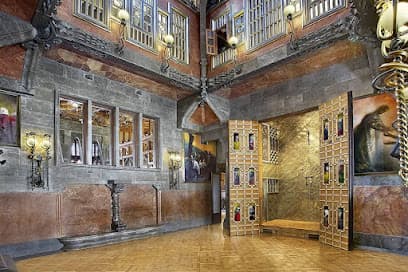
The central salon is the gut punch. It’s a sixty-five-foot-high space topped with a parabolic dome that’s perforated with small, star-shaped holes. During the day, the light filters through like a celestial map; at night, they used to hang lanterns outside the dome to simulate a starry sky. It’s theatrical, it’s moody, and it’s slightly insane. You stand there, looking up, and you realize this wasn't just a place to eat soup and sleep; it was a temple to one man’s ego and another man’s vision. The organ pipes, the carved wood, the gold leaf—it’s all there, but it’s restrained by a sense of Gothic gloom that makes the whole thing feel visceral and real.
Then, you hit the roof. This is the payoff. After the dark marbles and heavy woods of the interior, the rooftop is an explosion of color. This is where Gaudí first started playing with trencadís—the art of using broken ceramic tiles to create mosaics. Twenty chimneys rise like psychedelic mushrooms or alien soldiers, each one unique, covered in shards of glass and porcelain. It’s the reward for climbing through the shadows. You’re standing above the Raval, looking out over the laundry hanging from balconies and the chaotic streets below, and you’re surrounded by a forest of primary colors.
Is Palau Güell worth visiting? Absolutely. It’s one of the best Gaudí buildings in Barcelona precisely because it hasn't been scrubbed of its character. It’s less crowded than the Eixample masterpieces, cheaper to get into, and far more revealing of the architect's true nature. It’s a place of contrasts: the dungeon-like stables and the heavenly roof, the industrial iron and the delicate silk. It’s honest architecture. It doesn't try to be pretty; it tries to be everything. If you’re looking for things to do in El Raval that don't involve cheap mojitos, this is your stop. It’s a reminder that before Gaudí was a saint of architecture, he was a man who knew how to build a damn fine palace in a tough neighborhood.
Type
Museum, Tourist attraction
Duration
1.5-2 hours
Best Time
Early morning (10:00 AM) to avoid crowds and see the light through the dome.
Guided Tours
Available
Audio Guide
Available
What People Say
gaudi(1683)park guell(167)genius(155)casa batllo(129)casa mila(112)chimneys(112)modernisme(70)sagrada familia(64)
Features
Museum
Tourist attraction
Categories
ArchitectureUNESCO World HeritageGaudíModernisme
Ticket Prices
adult€12
child€5
senior€9
Opening Hours
- MondayClosed
- Tuesday10 AM to 5:30 PM
- Wednesday10 AM to 5:30 PM
- Thursday10 AM to 5:30 PM
- Friday10 AM to 5:30 PM
- Saturday10 AM to 5:30 PM
- Sunday10 AM to 5:30 PM
Must-See Highlights
The brick columns in the basement stables
The star-perforated dome in the Central Salon
The 20 colorful chimneys on the rooftop
The intricate ironwork on the main entrance gates
Visitor Tips
The audio guide is actually worth using here; it explains the engineering madness behind the beauty.
Don't skip the basement; it's the most atmospheric part of the building.
Check the weather; if it's raining, the rooftop might be closed for safety.
Good For
Architecture buffsHistory loversPhotographersSolo travelers
Why Visit
The Subterranean Stables: A hauntingly beautiful brick forest that is unlike any other basement in the city.
The Celestial Dome: A 20-meter high central hall with a perforated dome that mimics a starry night sky.
The Trencadís Chimneys: Twenty unique, colorful chimneys that represent Gaudí's first major use of his signature mosaic style.
Nearby Landmarks
- 3-minute walk from La Rambla
- 5-minute walk from Gran Teatre del Liceu
- 7-minute walk from Mercat de la Boqueria
- 10-minute walk from Plaça Reial
Accessibility
- Wheelchair accessible via elevator
- Accessible toilets available
- Tactile models for the visually impaired
Location
Carrer Nou de la Rambla, 3-5
Ciutat Vella, Barcelona
Nearby Hotels
Nearby Restaurants
In Ciutat Vella
ATTRACTION
Park
Ciutat Vella
A thousand years of silence tucked behind a Romanesque monastery, where the grit of El Raval dissolves into ancient stone, cool shadows, and the heavy weight of history.
0.0(0)
Park
ATTRACTION
BARSHELONA
Ciutat Vella
Forget the plastic bulls and tacky magnets. This is where Barcelona’s soul is bottled into art, a small sanctuary of local design hidden in the shadows of the Gothic Quarter.
0.0(0)
Tourist attraction
ATTRACTION
Minajoe art
Ciutat Vella
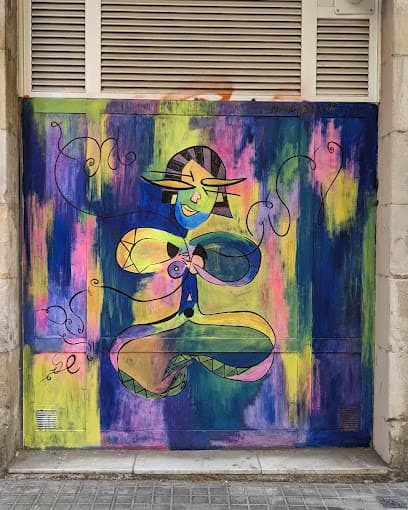
A raw, paint-splattered antidote to the sterile museum circuit. This is where pop-art meets the grit of the street, served straight from the artist’s hands in the heart of old Barcelona.
0.0(0)
Tourist attraction
Frequently Asked Questions
Is Palau Güell worth visiting compared to Casa Batlló?
Yes, especially if you hate crowds. It’s significantly cheaper, less packed, and offers a darker, more Gothic look at Gaudí’s early genius compared to the colorful, crowded Eixample houses.
How long do you need at Palau Güell?
Allocate about 1.5 to 2 hours. This gives you enough time to explore the basement stables, the main residential floors, and spend significant time on the rooftop with the chimneys.
Do I need to book Palau Güell tickets in advance?
While not as cutthroat as the Sagrada Família, booking online is highly recommended to secure your time slot, especially on weekends or during peak summer months.
What is the best time to visit Palau Güell?
Go right when they open in the morning. The light in the central salon is best then, and you’ll have the rooftop chimneys mostly to yourself before the midday heat and crowds arrive.
Reviews
0 reviews for Palau Güell
No reviews yet. Be the first to share your experience!