4.7
47,254 verified reviews
About
You’re walking down a narrow, slightly claustrophobic street in the Sant Pere neighborhood, dodging delivery scooters and the usual Ciutat Vella grit, and then—BAM. There it is. The Palau de la Música Catalana doesn’t just sit there; it screams at you. It’s a riotous, unapologetic middle finger to the boring, the beige, and the restrained. While everyone else is lining up to see Gaudí’s melting wax fantasies, the real ones come here to see what Lluís Domènech i Montaner did when he decided to turn a concert hall into a hallucinatory garden of stone and glass.
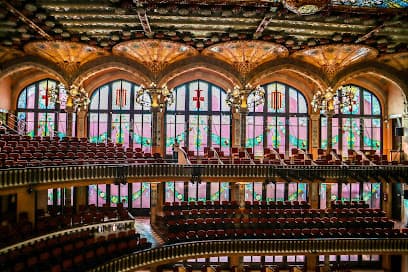
This isn't just one of the best things to do in Barcelona; it’s a mandatory sensory overload. The facade is a dense thicket of red brick, mosaics, and busts of the greats—Beethoven, Bach, Wagner—looking down like they’re wondering how the hell they ended up in such a colorful neighborhood. But the exterior is just the appetizer. You walk inside, and the air changes. It feels like stepping into the inside of a Faberge egg that’s been dropped in a bucket of Mediterranean sunlight.
The main concert hall is the closer. It’s the only auditorium in Europe illuminated entirely by natural light during the day, thanks to a massive, inverted bell of stained glass that hangs from the ceiling like a drop of honey. It’s a literal sun made of glass, surrounded by a choir of stone muses emerging from the walls. If you have any soul at all, the first time you see that skylight, it’s going to hit you right in the solar plexus. It’s the kind of architectural flex that makes modern stadiums look like Tupperware containers.
Is Palau de la Música worth it? Absolutely, but don’t just do the audio guide shuffle with the rest of the cruise ship crowd. If you want the real experience, buy a ticket for a performance. Whether it’s a Spanish guitar trio, a full-blown orchestral assault, or a late-night flamenco show, the building comes alive when there’s sound bouncing off those mosaics. The acoustics are legendary, though let’s be honest, you’re mostly there to stare at the ceiling while the music washes over you. It’s a place where the architecture performs as much as the musicians do.
Fair warning: the seats are tight. They were built for 1908 proportions, not the modern, tapas-fueled frame. The neighborhood can be a tourist gauntlet, and the gift shop is exactly what you’d expect. But none of that matters when the light hits those stained-glass roses. It’s a testament to a time when Barcelona was trying to out-beautify the rest of the world, and for my money, they won. It’s beautiful, it’s weird, and it’s completely, undeniably Catalan. Don't just look at it from the street. Go inside, sit down, and let the building overwhelm you. It’s one of the few places left that actually lives up to the hype.
Type
Concert hall, Auditorium
Duration
1-2 hours
Best Time
Morning for the best natural light through the skylight, or evening for a live performance.
Guided Tours
Available
Audio Guide
Available
What People Say
flamenco(608)audio guide(252)mosaic(138)safety pins(132)jewel(110)art nouveau architecture(90)glass staining(88)tour package(49)
Features
Concert hall
Auditorium
Historical landmark
Live music venue
Tourist attraction
Categories
ArchitectureUNESCOConcert HallModernismeLive Music
Ticket Prices
adult€22
child€0
senior€18
Must-See Highlights
The inverted stained-glass skylight
The Muses sculptures on the stage
The mosaic-covered pillars on the balcony
The facade's 'The Catalan Song' sculpture group
Visitor Tips
Arrive 20 minutes early to admire the facade details without the crowds.
If attending a concert, try to get seats in the first few rows of the second floor for the best view of the ceiling.
The cafe inside is actually quite decent for a quick vermouth before a show.
Good For
Architecture loversMusic enthusiastsHistory buffsPhotographers
Why Visit
The world's only concert hall illuminated entirely by natural light during the day
A UNESCO World Heritage masterpiece of Catalan Modernisme architecture
The iconic 'inverted sun' stained-glass skylight centerpiece
Nearby Landmarks
- 5-minute walk from Barcelona Cathedral
- 7-minute walk from Plaça de Catalunya
- 10-minute walk from La Rambla
- 4-minute walk from Santa Caterina Market
Accessibility
- Wheelchair accessible
- Elevators available to all floors
- Accessible restrooms
Location
C/ Palau de la Música, 4-6
Ciutat Vella, Barcelona
Nearby Hotels
Nearby Restaurants
In Ciutat Vella
ATTRACTION
Park
Ciutat Vella
A thousand years of silence tucked behind a Romanesque monastery, where the grit of El Raval dissolves into ancient stone, cool shadows, and the heavy weight of history.
0.0(0)
Park
ATTRACTION
BARSHELONA
Ciutat Vella
Forget the plastic bulls and tacky magnets. This is where Barcelona’s soul is bottled into art, a small sanctuary of local design hidden in the shadows of the Gothic Quarter.
0.0(0)
Tourist attraction
ATTRACTION
Minajoe art
Ciutat Vella
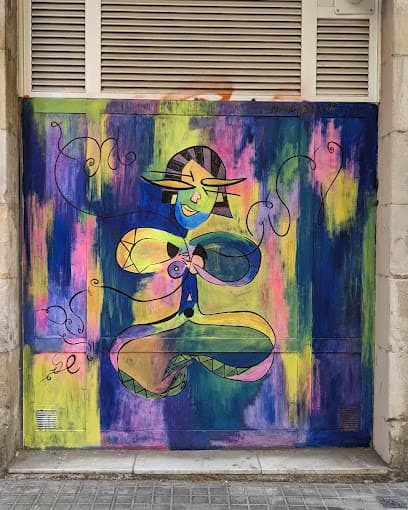
A raw, paint-splattered antidote to the sterile museum circuit. This is where pop-art meets the grit of the street, served straight from the artist’s hands in the heart of old Barcelona.
0.0(0)
Tourist attraction
Frequently Asked Questions
Is Palau de la Música Catalana worth visiting?
Yes, it is a UNESCO World Heritage site and arguably the most beautiful concert hall in the world. The stained-glass skylight alone justifies the entry fee.
Should I take a tour or see a concert?
While the guided tours are informative, seeing a live performance is the superior experience as you get to feel the acoustics and see the hall illuminated as intended.
How do I get to Palau de la Música?
The easiest way is via Metro Line 1 or 4 to the Urquinaona station, which is a 5-minute walk from the venue.
Do I need to book tickets in advance?
Yes, especially for guided tours and popular evening concerts, as time slots and the best seats sell out days in advance.
Reviews
0 reviews for Palau de la Música Catalana
No reviews yet. Be the first to share your experience!