4.4
51 verified reviews
About
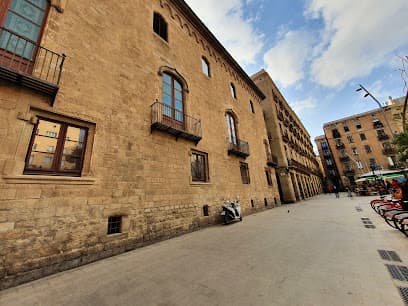
The Gothic Quarter is, for the most part, a beautifully staged lie. It’s a minefield of bad gelato, 'authentic' flamenco posters, and crowds shuffling toward the Cathedral like extras in a disaster movie. But if you duck off the main drag and into the narrow, shadowed slit of Baixada de Sant Miquel, the noise of the 21st century starts to bleed away. You find yourself standing in front of Palau Centelles, and suddenly, the air feels heavier, cooler, and a hell of a lot more honest. This isn't a theme park. It’s a stone-cold survivor.
Built in the late 15th century for Lluís de Centelles, this place is a masterclass in the transition from the brooding weight of the Gothic to the refined ego of the Renaissance. It’s one of the best-preserved civil palaces in the city, and it doesn't give a damn about your Instagram feed. It’s currently the seat of the Consell de Garanties Estatutàries de Catalunya—a bunch of lawyers and bureaucrats making sure the wheels of the state don't fall off—which means it’s a working building, not a museum with a gift shop at the exit. That’s exactly why you should care about it.
The first thing that hits you is the door. It’s a massive, arched portal that looks like it could withstand a siege, which, given Barcelona’s history, it probably has. Reviews mention the door for a reason; it’s the threshold between the chaos of the Barri Gòtic and a pocket of absolute silence. If the heavy wooden gates are open, you’re looking into the heart of Catalan architectural DNA: the courtyard. This isn't just a hole in the middle of a building; it’s a lung. The stone staircase rises with a quiet, geometric confidence, leading to galleries that have seen five hundred years of deals, arguments, and quiet Spanish afternoons. It’s the kind of space that makes you realize how flimsy and temporary our modern world really is.
When you’re looking for the best things to do in the Gothic Quarter, you’re usually told to follow the crowds. Don’t. The truth of Barcelona architecture is found in these quiet corners where the stone is worn smooth by centuries of footsteps you’ll never know. The windows here are a transition point—Gothic in their bones but starting to show the decorative flourishes of the Renaissance. It’s a building caught in the act of changing its mind about what it wants to be.
Is Palau Centelles worth it? If you need an audio guide and a velvet rope to tell you something is important, probably not. But if you want to stand in a place that feels like the actual marrow of the city, then yes. It’s a reminder that beneath the layers of tourism and cheap souvenirs, there is a Barcelona that is old, hard, and incredibly beautiful. You won't spend three hours here. You’ll spend ten minutes, maybe fifteen, looking at the way the light hits the stone in the patio, feeling the cool air coming off the masonry, and realizing that this is what the city actually sounds like when it’s not trying to sell you something. It’s a palate cleanser for the soul, a brief moment of architectural clarity in a neighborhood that has largely forgotten how to be itself. Walk in, shut up, look up, and appreciate the fact that some things still stand exactly where they were meant to be.
Type
Monument, Tourist attraction
Duration
15-30 minutes
Best Time
Weekday mornings for a chance to see the courtyard
What People Say
door(2)
Features
Monument
Tourist attraction
Categories
ArchitectureGothicRenaissanceHistoric Site
Ticket Prices
Free Admission
No tickets required
Must-See Highlights
The massive arched stone portal (the 'door')
The central courtyard with its classic Catalan Gothic staircase
The transitional Renaissance-style windows on the upper floors
Visitor Tips
Don't expect a museum; this is a quiet government office, so keep your voice down.
The street it's on, Baixada de Sant Miquel, is one of the most atmospheric narrow lanes in the city.
Check the 48h Open House Barcelona schedule in October for rare full-access tours.
Good For
Architecture buffsHistory loversSolo travelersPhotographers
Why Visit
One of Barcelona's best-preserved 15th-century civil Gothic palaces
A rare, quiet sanctuary tucked away from the main tourist paths of the Gothic Quarter
Striking transitional architecture featuring both Gothic and Renaissance elements
Nearby Landmarks
- 2-minute walk from Plaça de Sant Jaume
- 3-minute walk from Basilica de Sants Just i Pastor
- 5-minute walk from Barcelona Cathedral
- 6-minute walk from La Rambla
Accessibility
- Street level entrance
- Courtyard is accessible
- Upper floors are generally closed to the public
Location
Baixada de Sant Miquel, 8
Ciutat Vella, Barcelona
Nearby Hotels
Nearby Restaurants
In Ciutat Vella
ATTRACTION
Park
Ciutat Vella
A thousand years of silence tucked behind a Romanesque monastery, where the grit of El Raval dissolves into ancient stone, cool shadows, and the heavy weight of history.
0.0(0)
Park
ATTRACTION
BARSHELONA
Ciutat Vella
Forget the plastic bulls and tacky magnets. This is where Barcelona’s soul is bottled into art, a small sanctuary of local design hidden in the shadows of the Gothic Quarter.
0.0(0)
Tourist attraction
ATTRACTION
Minajoe art
Ciutat Vella
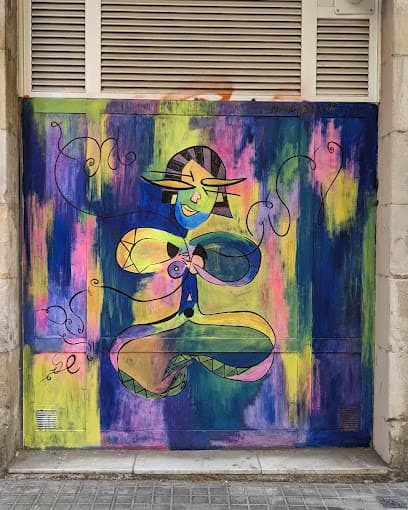
A raw, paint-splattered antidote to the sterile museum circuit. This is where pop-art meets the grit of the street, served straight from the artist’s hands in the heart of old Barcelona.
0.0(0)
Tourist attraction
Frequently Asked Questions
Is Palau Centelles worth visiting?
Yes, if you appreciate authentic Gothic and Renaissance architecture without the crowds. It is a working government building, so while you can't tour every room, the courtyard and exterior are striking examples of 15th-century Catalan design.
Can you go inside Palau Centelles?
Access is generally limited to the courtyard (patio) as it houses the Consell de Garanties Estatutàries. It occasionally opens for special events like 48h Open House Barcelona, but usually, you can only admire the portal and the inner courtyard from the entrance.
How much does it cost to see Palau Centelles?
Viewing the exterior and the courtyard (when accessible) is free. It is not a traditional ticketed museum, making it a great stop for those looking for free architectural highlights in the Gothic Quarter.
What is the best time to visit Palau Centelles?
Visit during weekday business hours (9:00 AM to 2:00 PM) when the main doors are most likely to be open for administrative business, allowing a view of the famous inner courtyard and staircase.
Reviews
0 reviews for Palau Centelles
No reviews yet. Be the first to share your experience!