4.3
428 verified reviews
About
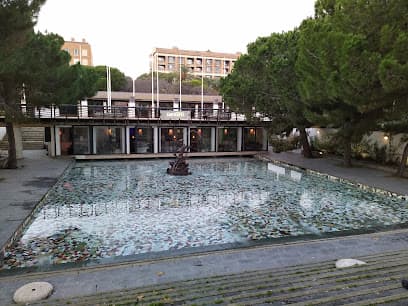
Before 1992, this part of Barcelona was a graveyard of warehouses and rusted rails, a city effectively walled off from its own Mediterranean soul. Then the Olympics happened, and the wrecking balls made room for ambition. The Olympic Port Park (Parc del Port Olímpic) isn’t just a patch of grass; it’s the physical manifestation of a city deciding it was tired of being dark and cramped. It’s the gateway between the urban grid of the Vila Olímpica and the shimmering, blue promise of the sea. It’s not the lush, manicured perfection of a royal garden, and it doesn’t try to be. It’s a transition zone—a place of concrete, salt air, and the kind of grand-scale urban planning that only happens when the world is watching.
Walking into the park from Carrer de Salvador Espriu, you feel the scale immediately. This isn’t a place for whispering. It’s a place for movement. You’ve got the twin towers—the Hotel Arts and the Torre Mapfre—looming over you like glass-and-steel sentinels. Beneath them, the park unfolds in a series of wide paths and pergolas that offer the kind of deep, structural shadow you desperately need when the Barcelona sun starts to bite. Reviewers talk about the 'afternoon shadow' for a reason; it’s a sanctuary for the locals who come here to escape the heat without retreating indoors. You’ll see joggers with calves of iron, tourists squinting at maps, and old men who remember when this was all smoke and grease, now sitting on benches watching the world go by.
The architecture here is pure 90s optimism. It’s functional, slightly brutalist in its use of hard lines, but softened by the proximity to the water. You can’t talk about this park without mentioning the 'Peix,' Frank Gehry’s massive, golden copper-mesh fish that sits just on the periphery. It’s a landmark that defines the skyline, shimmering like a hallucination against the blue. Inside the park itself, look for 'Marc,' the colorful, totemic sculpture by Robert Llimós that stands as a silent witness to the thousands of people who pass through here every day on their way to the beach.
Is it 'authentic' in the way a dusty tapas bar in El Raval is authentic? No. It’s a different kind of truth. It’s the truth of a modern Barcelona that wanted to be clean, international, and accessible. The Port Olímpic itself has recently undergone a massive facelift, purging the tacky, late-night tourist traps and replacing them with a 'blue economy' hub—think sailing centers, clean energy startups, and family-friendly terraces. The park is the lungs for this new vision. It’s where the city stops being a labyrinth of stone and starts being a coastal capital.
Don’t come here expecting the intimacy of the Gothic Quarter. Come here when you’re feeling claustrophobic. Come here when you need to see the horizon. The service is provided by the wind, the wine is whatever you brought in your bag, and the entertainment is the endless parade of humanity heading toward the waves. It’s honest, it’s breezy, and it’s exactly what Barcelona needed to become the city it is today. It’s a reminder that sometimes, tearing it all down and starting over is the only way to find the light.
Type
Park, Tourist attraction
Duration
1 hour
Best Time
Late afternoon when the pergolas provide shade and the golden hour hits the Gehry fish sculpture.
What People Say
sea(17)strolling(8)afternoon(4)shadow(3)architecture(2)bike(2)maintenance(2)picnic(2)
Features
Park
Tourist attraction
Categories
ArchitectureOlympic HistoryPublic ArtWaterfront
Ticket Prices
Free Admission
No tickets required
Opening Hours
- MondayOpen 24 hours
- TuesdayOpen 24 hours
- WednesdayOpen 24 hours
- ThursdayOpen 24 hours
- FridayOpen 24 hours
- SaturdayOpen 24 hours
- SundayOpen 24 hours
Must-See Highlights
The 'Marc' sculpture by Robert Llimós
The massive pergolas designed for solar protection
Views of the Torre Mapfre and Hotel Arts towers
The proximity to the newly renovated Port Olímpic docks
Visitor Tips
Combine this with a walk along the Nova Icària beach.
The park is a great spot for a picnic if you want to avoid expensive beachfront restaurant prices.
Keep an eye on your belongings, as the proximity to the beach attracts pickpockets.
Good For
FamiliesJoggersArchitecture enthusiastsBudget travelers
Why Visit
Gateway to the 1992 Olympic legacy and the modern waterfront
Home to iconic large-scale public art including works by Robert Llimós
Strategic shade provided by architectural pergolas, perfect for hot afternoons
Nearby Landmarks
- 5-minute walk from Port Olímpic
- 3-minute walk from Frank Gehry's Peix sculpture
- 4-minute walk from Casino Barcelona
- 6-minute walk from Platja del Somorrostro
Accessibility
- Flat paved paths suitable for wheelchairs
- Accessible ramps to the beach level
- Wide open spaces
Location
Carrer de Salvador Espriu
Sant Martí, Barcelona
Nearby Hotels
Nearby Restaurants
In Sant Martí
ATTRACTION
LOS CERDINS HOUSE
Sant Martí
A raw, repurposed industrial relic in the heart of Sant Martí, Los Cerdins House is a testament to the neighborhood's manufacturing soul, where red-brick history meets the sharp, creative edge of modern Barcelona.
0.0(0)
Tourist attraction
ATTRACTION
Pista de frontó
Sant Martí
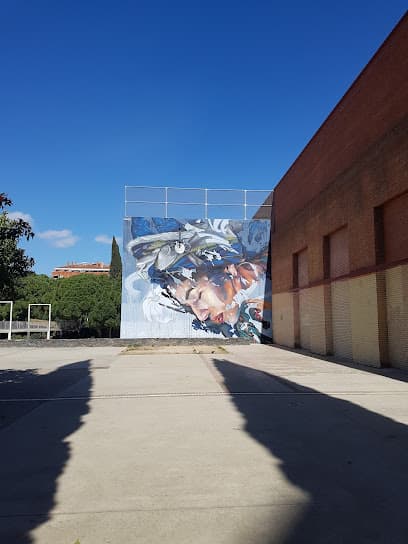
A sun-baked slab of concrete where the rhythmic thwack of a ball against stone serves as the soundtrack to a neighborhood still clinging to its gritty, industrial Poblenou soul.
0.0(0)
Park
ATTRACTION
Saraya Express
Sant Martí
A specialized travel outpost tucked away in Sant Martí. Saraya Express is where the logistics of a trip to Cairo meet the grit of Barcelona’s daily grind, far from the tourist-trap fluff.
0.0(0)
Tourist attraction
Frequently Asked Questions
Is Olympic Port Park worth visiting?
Yes, especially if you want to see the 1992 Olympic legacy and the Frank Gehry fish sculpture. It's a great, free spot for a coastal walk away from the heavy crowds of La Rambla.
How do I get to Olympic Port Park?
Take the L4 Metro (Yellow Line) to the Ciutadella | Vila Olímpica station. From there, it's a short 5-minute walk toward the sea and the twin towers.
What should I see at Olympic Port Park?
Don't miss the 'Peix' (Fish) sculpture by Frank Gehry nearby, the 'Marc' sculpture by Robert Llimós within the park, and the newly renovated Port Olímpic waterfront.
Is there an entry fee for the park?
No, the park is a public space and is completely free to enter 24 hours a day.
Reviews
0 reviews for Olympic Port Park
No reviews yet. Be the first to share your experience!