
4.5
5,454 verified reviews
About
The Palau de Mar is a survivor. It’s a massive, red-brick warehouse standing on the edge of Port Vell, looking like a stubborn middle finger to the glass-and-steel gentrification surrounding it. This is the only building left from the old industrial port, and it’s the perfect shell for the Museu d'Història de Catalunya. While the rest of the world is busy Instagramming their brunch in Barceloneta, you should be in here, figuring out why this corner of the Mediterranean is so fiercely, unapologetically itself.\n\nHistory, when done wrong, is a sedative. It’s a series of dusty dates and names of dead kings that make your eyes glaze over. But the Museum of the History of Catalonia—arguably the best history museum Barcelona has to offer—understands that history is a contact sport. It’s about blood, sweat, and the sheer physical reality of survival. You start at the top and work your way down through time, beginning with the 'Roots'—the prehistoric hunter-gatherers and the Iberians who were here long before the Romans showed up to pave everything over. \n\nThe museum is famously interactive, and I don’t mean 'click a screen' interactive. I mean you can actually try to lift a medieval knight’s helmet and realize your neck would have snapped in five minutes. You can try to turn a heavy irrigation wheel or see how much weight a Roman slave was expected to carry. It’s a visceral way to realize that our ancestors were much tougher, and probably much shorter, than we are. As you move through the Middle Ages and the rise of the Catalan empire, you start to see the DNA of the city forming—the trade, the seafaring, the obsession with law and commerce.\n\nThen things get heavy. The museum doesn't flinch when it comes to the 1714 Siege of Barcelona, a trauma that still defines the Catalan psyche today. You see the Industrial Revolution, the rise of the labor movements, and the crushing weight of the Spanish Civil War. The exhibits on the Franco years are particularly sobering—a reminder that the vibrant, democratic Barcelona you see outside was bought with a lot of silence and sacrifice. It’s not always pretty, but it’s honest. If you want to understand the 'why' behind the independence flags hanging from balconies in Gràcia, this is where you find the answers.\n\nBut because this is Barcelona, even a deep dive into historical trauma ends with a drink. The rooftop terrace, home to the restaurant 1881 per Sagardi, is one of the city’s best-kept secrets. After you’ve processed two thousand years of struggle, you step out onto the deck and the Mediterranean sun hits you. Below, the harbor is choked with yachts owned by people who have never had to lift a medieval helmet in their lives. The view of the port, the Montjuïc hill, and the Barceloneta rooftops is spectacular. It’s the perfect place to sit with a vermouth and realize that while the players change, the stage remains the same. Whether you’re a history buff or just someone looking for things to do in Port Vell that don't involve a tourist trap, this place is essential. It gives the city a soul, a context, and a damn good view.
Type
History museum, Museum
Duration
2-3 hours
Best Time
Wednesday evenings for a quieter experience or the first Sunday of the month for free entry.
Guided Tours
Available
Audio Guide
Available
What People Say
terrace(138)interactive(108)prehistoric(78)muy interesante(70)vision(58)bar(49)roof(41)didactics(36)
Features
History museum
Museum
National museum
Tourist attraction
Categories
HistoryArchitectureInteractiveRooftop
Ticket Prices
adult€6.00
childFree (under 16)
senior€4.00
Opening Hours
- MondayClosed
- Tuesday10 AM to 7 PM
- Wednesday10 AM to 8 PM
- Thursday10 AM to 7 PM
- Friday10 AM to 7 PM
- Saturday10 AM to 7 PM
- Sunday10 AM to 2:30 PM
Must-See Highlights
The 'Roots' exhibit featuring Iberian culture
Medieval armor and weaponry interactive displays
The 20th-century section covering the Civil War and Franco's dictatorship
The 1881 per Sagardi rooftop bar
Visitor Tips
The rooftop terrace is accessible even if you don't visit the museum; just take the elevator to the top floor.
Entry is free on the first Sunday of every month and on certain holidays like September 11th.
The museum is chronological; start on the top floor and work your way down to follow the timeline correctly.
Good For
History buffsFamilies with childrenSolo travelersPhotography enthusiasts
Why Visit
Housed in the historic 19th-century Palau de Mar, the port's last standing industrial warehouse.
Highly interactive 'hands-on' history exhibits that allow you to feel the physical weight of the past.
The 1881 per Sagardi rooftop terrace offering 360-degree views of the harbor and city skyline.
Nearby Landmarks
- 5-minute walk from L'Aquàrium de Barcelona
- 10-minute walk from Barceloneta Beach
- 10-minute walk from Basilica of Santa Maria del Mar
- 12-minute walk from the Picasso Museum
Accessibility
- Wheelchair accessible
- Elevators to all floors
- Accessible restrooms
Location
Pça. de Pau Vila, 3
Ciutat Vella, Barcelona
Nearby Hotels
Nearby Restaurants
In Ciutat Vella
ATTRACTION
Park
Ciutat Vella
A thousand years of silence tucked behind a Romanesque monastery, where the grit of El Raval dissolves into ancient stone, cool shadows, and the heavy weight of history.
0.0(0)
Park
ATTRACTION
BARSHELONA
Ciutat Vella
Forget the plastic bulls and tacky magnets. This is where Barcelona’s soul is bottled into art, a small sanctuary of local design hidden in the shadows of the Gothic Quarter.
0.0(0)
Tourist attraction
ATTRACTION
Minajoe art
Ciutat Vella
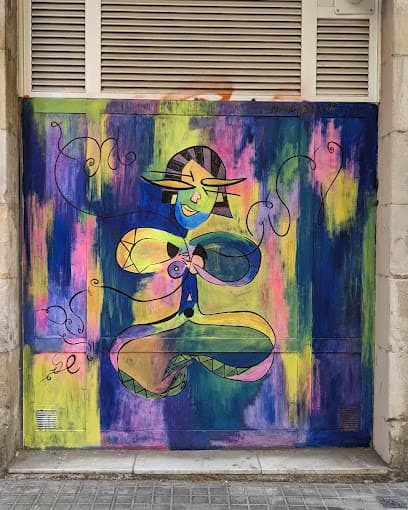
A raw, paint-splattered antidote to the sterile museum circuit. This is where pop-art meets the grit of the street, served straight from the artist’s hands in the heart of old Barcelona.
0.0(0)
Tourist attraction
Frequently Asked Questions
Is the Museum of the History of Catalonia worth visiting?
Yes, especially if you want to understand the cultural and political identity of Catalonia. The interactive exhibits make it engaging for all ages, and the rooftop terrace offers one of the best views in the city.
How long do you need at the Museum of the History of Catalonia?
Allocate at least 2 to 3 hours to walk through the permanent collection. If you plan on visiting the rooftop bar or restaurant, add another hour.
What should I see at the Museum of the History of Catalonia?
Don't miss the interactive medieval section where you can try on armor, the sobering exhibits on the Spanish Civil War, and the 1881 per Sagardi rooftop terrace for panoramic harbor views.
Is the museum accessible for people with disabilities?
Yes, the museum is fully accessible with elevators connecting all floors, including the rooftop terrace, and wide corridors suitable for wheelchairs.
Reviews
0 reviews for Museum of the History of Catalonia
No reviews yet. Be the first to share your experience!