4.5
2,593 verified reviews
About
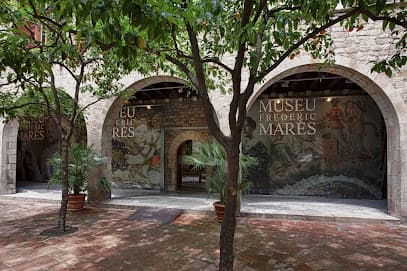
Step away from the selfie-stick-wielding hordes clogging the steps of the Cathedral and duck into the shadows of the Plaça de Sant Iu. You’re looking for a heavy door that leads into the former Royal Palace of the Counts of Barcelona. This isn't your typical white-walled, sterile art gallery. The Museu Frederic Marès is something else entirely—a monument to one man’s beautiful, borderline-psychotic obsession with collecting everything that wasn't nailed down.
Frederic Marès was a sculptor by trade, but a vacuum cleaner for history by nature. He spent a lifetime accumulating things, and the result is a museum that feels less like a curated exhibition and more like the world’s most sophisticated attic. It’s a three-story deep dive into the soul of a man who couldn't look at a discarded fan, a rusted key, or a medieval wooden saint without wanting to save it from the dustbin of time. If you’re looking for the best museum in Barcelona to escape the sun and the crowds, this is your sanctuary.
The ground floor and basement are dedicated to sculpture, spanning from the pre-Romanesque era to the 19th century. It’s a forest of wood and stone. You’ll find rows of polychrome wooden Christs, their ribs protruding, their faces etched with a very Spanish kind of agony. There are weeping Virgins and stoic saints, many stripped of their original altarpieces, standing in the quiet gloom. The craftsmanship is undeniable, but it’s the sheer volume that hits you. It’s a protein rush of religious iconography that manages to be both beautiful and slightly unsettling.
But the real madness—the good kind—starts upstairs in the 'Collector’s Cabinet.' This is what Marès called his 'Sentimental Museum.' It is a dizzying, floor-to-ceiling accumulation of the mundane and the magnificent. Thousands of fans, smoking pipes, walking sticks, pocket watches, and opera glasses. There are rooms filled with nothing but vintage toys, lead soldiers, and delicate lace. There are collections of pharmacy jars, keys that haven't turned a lock in centuries, and even old bus tickets. It’s a physical record of daily life in Barcelona and beyond, preserved with a devotion that borders on the religious.
Walking through these rooms, you start to feel the weight of all those lives. Each object was once held, used, and loved by someone who is now long gone. Marès didn't just collect things; he collected the ghosts of the city. It’s a visceral reminder that history isn't just about kings and wars; it’s about the stuff we carry in our pockets and the toys we give our children.
When the sensory overload of ten thousand sewing kits becomes too much, retreat to the courtyard. The Patio de los Naranjos is one of the most tranquil spots in the Ciutat Vella. Surrounded by Gothic arches and the scent of orange trees, you can sit at the Café d’Estiu, order a vermut, and listen to the distant bells of the Cathedral. It’s the ideal spot to decompress and process the beautiful clutter you’ve just witnessed.
Is it worth visiting? Absolutely. But don't come here if you want a quick 'greatest hits' tour. Come here if you want to get lost in the weeds of human history. It’s a place for the curious, the nostalgic, and those who understand that sometimes, the most profound stories are found in a drawer full of old keys. It’s honest, it’s weird, and it’s one of the few places left in the center that feels like it still belongs to the soul of Barcelona.
Type
Museum, Sculpture
Duration
1.5-2 hours
Best Time
Sunday afternoons after 3pm for free entry and fewer crowds.
Guided Tours
Available
Audio Guide
Available
What People Say
collection(185)nativity scene(36)toys(36)gothic art(31)fan(29)cathedral(28)pipes(20)crucifix(11)
Features
Museum
Sculpture
Tourist attraction
Categories
SculptureHistoryGothic ArchitectureDecorative Arts
Ticket Prices
adult€4.20
childFree (under 16)
senior€2.40
Opening Hours
- MondayClosed
- Tuesday10 AM to 7 PM
- Wednesday10 AM to 7 PM
- Thursday10 AM to 7 PM
- Friday10 AM to 7 PM
- Saturday10 AM to 7 PM
- Sunday11 AM to 8 PM
Must-See Highlights
The Romanesque and Gothic wood carvings in the basement
The Room of Fans with hundreds of intricate 18th and 19th-century pieces
The Toy Room featuring antique dolls and lead soldiers
The peaceful courtyard (Patio de los Naranjos)
Visitor Tips
The museum is free on the first Sunday of the month and every Sunday after 3:00 PM.
The courtyard cafe (Café d'Estiu) is seasonal and usually open from April to October.
Photography is generally allowed but check for specific 'no flash' signs in the sculpture galleries.
Good For
History buffsArt loversQuiet seekersFamilies with older children
Why Visit
The 'Sentimental Museum'—a massive, obsessive collection of 19th-century daily life objects.
Housed in a stunning section of the former Royal Palace of the Counts of Barcelona.
One of the most extensive collections of Spanish polychrome wood sculpture in the world.
Nearby Landmarks
- Barcelona Cathedral (1-minute walk)
- Plaça de Sant Jaume (4-minute walk)
- MUHBA Temple d'August (3-minute walk)
- Plaça del Rei (2-minute walk)
Accessibility
- Elevator access to all floors
- Accessible restrooms
- Wheelchair friendly
Location
Plaça Sant Iu, 5
Ciutat Vella, Barcelona
Nearby Hotels
Nearby Restaurants
In Ciutat Vella
ATTRACTION
Park
Ciutat Vella
A thousand years of silence tucked behind a Romanesque monastery, where the grit of El Raval dissolves into ancient stone, cool shadows, and the heavy weight of history.
0.0(0)
Park
ATTRACTION
BARSHELONA
Ciutat Vella
Forget the plastic bulls and tacky magnets. This is where Barcelona’s soul is bottled into art, a small sanctuary of local design hidden in the shadows of the Gothic Quarter.
0.0(0)
Tourist attraction
ATTRACTION
Minajoe art
Ciutat Vella
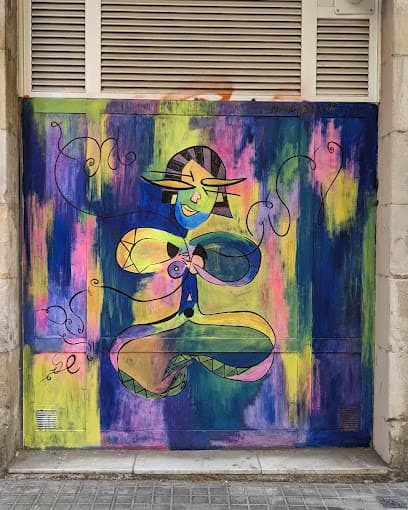
A raw, paint-splattered antidote to the sterile museum circuit. This is where pop-art meets the grit of the street, served straight from the artist’s hands in the heart of old Barcelona.
0.0(0)
Tourist attraction
Frequently Asked Questions
Is Museu Frederic Marès worth visiting?
Yes, especially if you enjoy quirky, offbeat collections. It offers a fascinating look at both religious sculpture and the 'Sentimental Museum' filled with thousands of everyday vintage objects.
How long do you need at Museu Frederic Marès?
Allocate at least 1.5 to 2 hours. The sculpture section is large, but the upper floors with the Collector's Cabinet contain thousands of small items that take time to appreciate.
What is the best time to visit?
Visit on Sunday afternoons after 3:00 PM or the first Sunday of every month for free admission. Otherwise, weekday mornings are quietest.
What should I not miss at the museum?
Don't miss the 'Collector's Cabinet' on the upper floors for its incredible array of fans, toys, and pipes, and make sure to spend time in the peaceful courtyard cafe.
Reviews
0 reviews for Museu Frederic Marès
No reviews yet. Be the first to share your experience!