5.0
2 verified reviews
About
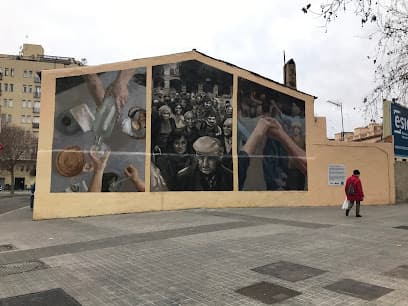
Forget the whimsical curves of the Eixample for a second. Forget the scrubbed-clean facades of the Gothic Quarter where every stone feels like it’s been polished for a cruise ship passenger's Instagram feed. If you want to see the soul of the real Barcelona—the one that sweats, works, and remembers—you get on the L1 metro and head to Navas. You walk to the corner of Carrer de Trinxant and you look up. What you’ll see isn't a monument to a saint or a king, but a massive, unblinking portrait of a neighbor named Maria, staring back at the city from a wall that used to be nothing but a blank slab of concrete.
This is the Mural de Trinxant, a staggering piece of hyper-realistic street art by Pau Farell. It’s part of a city-wide project to reclaim 'parets mitgeres'—those ugly, blind party walls left exposed when adjacent buildings were never built or were torn down. In most cities, these are eyesores covered in peeling advertisements or lazy tags. In Barcelona, they’ve become a canvas for the neighborhood’s collective memory. This particular wall at Carrer de Trinxant, 14, is a 400-square-meter gut punch of history and humanity. It’s not just a painting; it’s a reclamation of space in a neighborhood that tourists usually skip on their way to the Sagrada Familia.
The mural depicts Maria, a woman who lived in the area for decades, her face etched with the kind of lines you only get from a life lived fully in the Mediterranean sun. But look closer. Behind her, Farell has woven in the ghosts of the neighborhood’s industrial past. You see the looms, the gears, and the architecture of the old textile factories—specifically the 'Meridiana' factory—that once defined the economy and the daily rhythm of Sant Martí. It’s a reminder that before this was a city of boutique hotels and overpriced gin tonics, it was a city of smoke, grease, and organized labor. The detail is so sharp it feels like you could reach out and feel the texture of the fabric or the roughness of the brickwork.
Standing on the sidewalk here, you aren't surrounded by tour guides with umbrellas. You’re surrounded by people carrying groceries, kids coming home from school, and old men sitting on benches who probably remember when the factories were still humming. There is no gift shop. There is no velvet rope. There is just the hum of the Meridiana traffic and this giant, silent witness to the passage of time. It’s art that doesn't ask for your permission to exist; it just demands that you acknowledge the people who built this city.
Is it worth the trek? If you give a damn about street art that actually says something, then yes. If you want to understand the friction between the old Barcelona and the new, then absolutely. It’s a profound experience that reminds you that the most important stories aren't always found in museums. Sometimes they’re painted forty feet high on the side of an apartment block in a neighborhood where the only thing being sold is a decent cup of coffee and a bit of respect for the past.
Don't expect a polished tourist experience. This is a residential street. The lighting depends entirely on the mood of the sky, and the 'amenities' are whatever local bar is open around the corner. But that’s the point. You come here to see the unvarnished truth of the city. You come here to look Maria in the eye and realize that Barcelona is so much more than its postcards. It’s a place of work, of memory, and of enduring dignity.
Type
Tourist attraction
Duration
15-30 minutes
Best Time
Morning or late afternoon for the best natural light on the mural's face.
Features
Tourist attraction
Categories
Contemporary ArtLocal HistoryPhotography SpotUrban Art
Ticket Prices
Free Admission
No tickets required
Opening Hours
- MondayOpen 24 hours
- TuesdayOpen 24 hours
- WednesdayOpen 24 hours
- ThursdayOpen 24 hours
- FridayOpen 24 hours
- SaturdayOpen 24 hours
- SundayOpen 24 hours
Must-See Highlights
The hyper-realistic detail in the elderly woman's eyes
The symbolic representation of the old textile looms in the background
The sheer scale of the 400-square-meter party wall
Visitor Tips
Bring a wide-angle lens if you want to capture the entire mural in one shot
Combine this with a visit to the nearby Mercat de Felip II for a truly local experience
Look for the artist's signature and the small details that represent the 'Meridiana' factory
Good For
Street art enthusiastsPhotographersBudget travelersHistory buffs
Why Visit
Massive 400-square-meter photorealistic portrait of a real local resident
Authentic tribute to Barcelona's industrial textile heritage
Located in the residential Navas neighborhood, completely free of tourist crowds
Nearby Landmarks
- Navas Metro Station (L1) - 2-minute walk
- Plaça de Ferran Reyes - 4-minute walk
- Mercat de Felip II - 8-minute walk
Accessibility
- Fully viewable from the public sidewalk
- Flat terrain suitable for wheelchairs
Location
Carrer de Trinxant, 14
Sant Martí, Barcelona
Nearby Hotels
Nearby Restaurants
In Sant Martí
ATTRACTION
LOS CERDINS HOUSE
Sant Martí
A raw, repurposed industrial relic in the heart of Sant Martí, Los Cerdins House is a testament to the neighborhood's manufacturing soul, where red-brick history meets the sharp, creative edge of modern Barcelona.
0.0(0)
Tourist attraction
ATTRACTION
Pista de frontó
Sant Martí
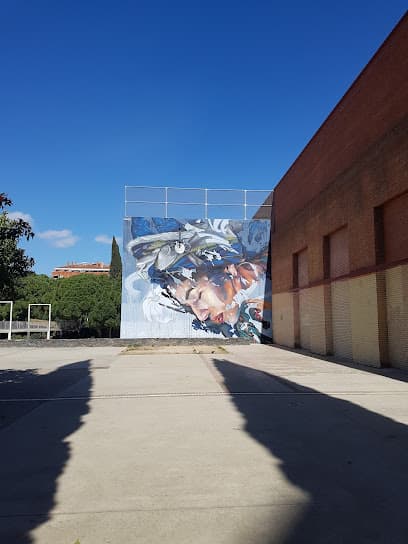
A sun-baked slab of concrete where the rhythmic thwack of a ball against stone serves as the soundtrack to a neighborhood still clinging to its gritty, industrial Poblenou soul.
0.0(0)
Park
ATTRACTION
Saraya Express
Sant Martí
A specialized travel outpost tucked away in Sant Martí. Saraya Express is where the logistics of a trip to Cairo meet the grit of Barcelona’s daily grind, far from the tourist-trap fluff.
0.0(0)
Tourist attraction
Frequently Asked Questions
Is the Mural de Trinxant worth visiting?
Yes, if you appreciate large-scale street art and want to see an authentic, non-touristy side of Barcelona. It is one of the most impressive photorealistic murals in the city, depicting local industrial history.
Who is the artist behind the Trinxant mural?
The mural was created by the artist Pau Farell as part of a project to beautify the city's party walls (parets mitgeres) and honor the neighborhood's history.
How do I get to Carrer de Trinxant 14?
The easiest way is to take the Metro Line 1 (Red) to the Navas station. From there, it is a short 2-minute walk to the corner of Carrer de Trinxant and Avinguda Meridiana.
What does the mural represent?
It features a portrait of a local resident named Maria and incorporates elements of the neighborhood's textile manufacturing past, serving as a tribute to the working-class history of Sant Martí.
Reviews
0 reviews for Mural
No reviews yet. Be the first to share your experience!