4.2
36 verified reviews
About
Barcelona is a city built on top of itself, a literal pile of history where the new world stands on the shoulders of the old, and the old world is usually hiding in the basement. Most tourists spend their time dodging pickpockets on La Rambla or squinting at the Sagrada Família, but if you want to see the real bones of this place, you have to go down. MUHBA Domus Sant Honorat is that descent. It’s a subterranean archaeological site tucked away on Carrer de la Fruita, a narrow slit of a street in the Ciutat Vella that most people walk past without a second glance.
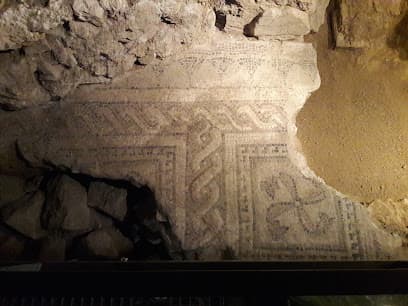
When you step inside and head below street level, the noise of the Gothic Quarter—the rolling suitcases, the shouting tour groups, the smell of fried dough—simply vanishes. You’re standing in a 4th-century Roman domus, a private mansion that belonged to someone who clearly had a lot of denarii and very little desire to live like a peasant. This wasn’t a public space; it was a sanctuary of wealth. You can still see the polychrome mosaics, their geometric patterns remarkably intact, and the remains of a private thermal bath suite. It’s a reminder that even 1,600 years ago, the elite of Barcino were obsessed with spa days and interior design. The central peristyle, or courtyard, would have been the heart of the home, a place for the master of the house to breathe in the Mediterranean air while his slaves did the heavy lifting.
But what makes this place truly fascinating—and a bit haunting—is the layer of history that came after. In the 13th century, during the medieval period when this area was part of the Jewish Quarter, or El Call, the locals didn't treat these Roman ruins with the reverence we do today. They saw them as a foundation. They punched massive circular silos right through the Roman floors to store grain and oil. Seeing a medieval storage pit carved directly into a 4th-century mosaic is a visceral lesson in urban evolution. It’s not pretty, and it’s not curated for a gift shop; it’s just the way cities work. One civilization’s luxury is the next civilization’s basement storage.
The atmosphere is heavy, cool, and indifferent to your presence. There are no flashing lights or interactive touchscreens trying to sell you a narrative. It’s just stone, dirt, and the silence of centuries. You’re looking at the strata of Barcelona’s soul. You see the Roman foundation, the medieval repurposing, and the modern city pressing down from above. It’s a quiet, contemplative experience that demands you pay attention to the details—the way a drain was carved, the specific tint of a mosaic tile, the sheer depth of the silos.
Is it worth visiting? If you’re looking for a theme park, no. If you’re looking for a quick photo op to prove you were in Spain, probably not. But if you want to understand the grit and the endurance of this city, it’s essential. It’s one of the best Roman ruins in Barcelona precisely because it feels so private and undiscovered. You’ll likely be one of only three people in there, which, in a city struggling with over-tourism, is a luxury more valuable than any Roman bath. Just be warned: the opening hours are as temperamental as a veteran waiter at a tapas bar. It’s usually only open on Sundays, so you have to time your visit like a heist. But for those who make it inside, it’s a rare chance to stand in the silence of the past while the modern world rages on just a few feet above your head.
Type
Museum, Tourist attraction
Duration
30-45 minutes
Best Time
Sunday morning at 10:00 AM to beat the small trickle of visitors and ensure entry during limited hours.
Audio Guide
Available
What People Say
explanation(2)
Features
Museum
Tourist attraction
Categories
ArchitectureArchaeologyRoman HistoryJewish History
Ticket Prices
adult€2.50
childFree
senior€2.00
Opening Hours
- MondayClosed
- TuesdayClosed
- WednesdayClosed
- ThursdayClosed
- FridayClosed
- SaturdayClosed
- Sunday10 AM to 2 PM
Must-See Highlights
Polychrome geometric mosaics
Private Roman thermal bath suite
13th-century medieval silos
The central peristyle courtyard
Visitor Tips
The site is only open on Sundays, so plan your weekend accordingly.
Buy the MUHBA multi-site ticket if you plan on visiting the main museum at Plaça del Rei; it saves money.
Look for the circular silos—they are the most interesting evidence of how the city's needs changed over 1,000 years.
Good For
History buffsArchaeology enthusiastsQuiet seekersSolo travelers
Why Visit
Intact 4th-century Roman mosaics and private thermal baths
Medieval grain silos carved directly into Roman foundations
One of the quietest, least-crowded historical sites in the Gothic Quarter
Nearby Landmarks
- 2-minute walk from Plaça de Sant Jaume
- 4-minute walk from Barcelona Cathedral
- 3-minute walk from MUHBA Plaça del Rei
- 5-minute walk from La Rambla
Accessibility
- Elevator access available
- Wheelchair accessible
Location
Carrer de la Fruita, 2
Ciutat Vella, Barcelona
Nearby Hotels
Nearby Restaurants
In Ciutat Vella
ATTRACTION
Park
Ciutat Vella
A thousand years of silence tucked behind a Romanesque monastery, where the grit of El Raval dissolves into ancient stone, cool shadows, and the heavy weight of history.
0.0(0)
Park
ATTRACTION
BARSHELONA
Ciutat Vella
Forget the plastic bulls and tacky magnets. This is where Barcelona’s soul is bottled into art, a small sanctuary of local design hidden in the shadows of the Gothic Quarter.
0.0(0)
Tourist attraction
ATTRACTION
Minajoe art
Ciutat Vella
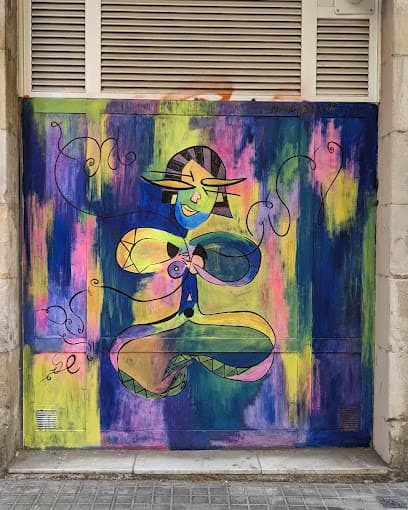
A raw, paint-splattered antidote to the sterile museum circuit. This is where pop-art meets the grit of the street, served straight from the artist’s hands in the heart of old Barcelona.
0.0(0)
Tourist attraction
Frequently Asked Questions
Is MUHBA Domus Sant Honorat worth visiting?
Yes, if you appreciate archaeology and want to see the literal layers of Barcelona's history without the crowds. It offers a unique look at a Roman mansion integrated with medieval silos.
What are the opening hours for Domus Sant Honorat?
The site has very limited hours, typically only opening on Sundays from 10:00 AM to 2:00 PM. Always check the official MUHBA website before visiting as schedules can change.
How much do tickets cost?
Individual entry is approximately €2.50, but it is also included in the general MUHBA multi-site ticket (€7), which grants access to several other historical sites in the city.
Where is it located?
It is located at Carrer de la Fruita, 2, in the heart of the Gothic Quarter, just a two-minute walk from Plaça de Sant Jaume.
Reviews
0 reviews for MUHBA Domus Sant Honorat
No reviews yet. Be the first to share your experience!