4.4
35 verified reviews
About
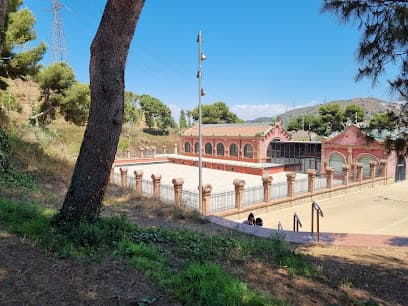
Forget the salt-crusted beaches and the neon-lit chaos of La Rambla for a second. If you want to understand how a city survives—how it breathes, how it drinks, and how it keeps from dying in its own filth—you have to head north. Way north. To Nou Barris. This is where you’ll find the MUHBA Casa de l’Aigua, a stark, beautiful, and slightly eerie monument to public health and urban engineering. This isn't the Barcelona they put on the postcards. There are no buskers here, no overpriced sangria, and no guys trying to sell you glowing plastic helicopters. It’s just concrete, brick, and the heavy silence of a neighborhood that actually works for a living.
To understand this place, you have to understand the fear of 1914. Barcelona was choking on a typhus epidemic. People were dying because the water was toxic, a cocktail of bacteria and neglect. The city panicked, as cities do, and finally decided to get serious about its plumbing. The Casa de l’Aigua was the result—a massive pumping and purification station built between 1915 and 1919. It was designed to lift water from the Rec Comtal and the Besòs river, treat it, and send it down to the thirsty, sickened masses in the center. It’s a temple to the god of Clean Water, built with the kind of industrial Modernist flair that Barcelona just can’t help itself from applying to even the most utilitarian structures.
When you arrive, the first thing that hits you is the scale. The main building is all clean lines and functional grace, but the real gut-punch—the dark, visceral stuff—is underground. There is a 300-meter subterranean gallery, a tunnel that connects the pumping station in Trinitat Nova to the reservoir in Trinitat Vella. Walking through it is a trip. The air gets cool and heavy. Your footsteps echo against the damp stone. It feels like the setting of a Cold War spy flick or a place where secrets are buried. You’re walking through the literal veins of the city. It’s a physical reality that no VR headset or high-tech museum display can replicate. It’s cold, it’s quiet, and it smells like old earth and wet minerals.
The museum part of the complex does a decent job of explaining the mechanics—the chlorination tanks, the massive pipes, the engineering feats required to move millions of liters of water. But the real draw is the atmosphere. It’s the feeling of being somewhere that matters, somewhere that was built out of desperate necessity. You can see the old machinery, the tile work that’s survived a century of moisture, and the sheer ambition of a city trying to engineer its way out of a plague.
Is it worth the haul? If you’re the kind of person who needs a gift shop and a café with oat milk lattes, probably not. Nou Barris is a hike from the center, and the hours can be as temperamental as a surly waiter. But if you want to see the bones of Barcelona, if you want to stand in a tunnel and feel the weight of a hundred years of history pressing down on you, then yes, it’s the real deal. It’s a reminder that beneath the Gaudí curves and the tapas bars, there’s a machine that keeps the whole thing running. It’s honest, it’s raw, and it’s one of the few places left in this city where you can hear yourself think.
Type
Historical landmark, Tourist attraction
Duration
1-2 hours
Best Time
Sunday mornings for guided tours and a local neighborhood vibe.
Guided Tours
Available
What People Say
museum(2)muy interesante(2)
Features
Historical landmark
Tourist attraction
Categories
Industrial HeritageArchitectureHistoryUnderground
Ticket Prices
Free Admission
No tickets required
Opening Hours
- MondayClosed
- Tuesday8 AM to 6 PM
- WednesdayClosed
- Thursday8 AM to 6 PM
- Friday8 AM to 6 PM
- Saturday8 AM to 6 PM
- SundayClosed
Must-See Highlights
The 300m underground gallery
The chlorination and deposit tanks
The Modernist brickwork of the pumping station
The views of the surrounding Nou Barris hills
Visitor Tips
Check the MUHBA website for specific opening hours as they are limited.
Wear comfortable shoes for the tunnel walk.
Combine this with a hike up to Torre Baró for the best views in the city.
Don't expect a tourist-friendly English-speaking hub; this is a local site.
Good For
History buffsUrban explorersArchitecture studentsSerious urban explorers
Why Visit
The 300-meter underground tunnel connecting two neighborhoods
Authentic industrial Modernist architecture from the early 1900s
A rare look at the public health history that shaped modern Barcelona
Nearby Landmarks
- 10-minute walk from Parc de la Trinitat
- 25-minute hike to Castell de Torre Baró
- 5-minute walk from Trinitat Nova Metro station
Accessibility
- Partial wheelchair access
- Ground floor accessible
- Tunnels may have limited accessibility
Location
Carrer del Torrent de la Perera, s/n
Nou Barris, Barcelona
Nearby Restaurants
In Nou Barris
ATTRACTION
Plaça Verda de la Prosperitat
Nou Barris
A concrete-and-chlorophyll middle finger to urban neglect, where Nou Barris locals reclaim their right to breathe, drink, and exist far from the suffocating Sagrada Familia crowds.
0.0(0)
Garden
ATTRACTION
Ascensor Canfranc - Paseo de Fabra y Puig 08031 Nou Barris
Nou Barris
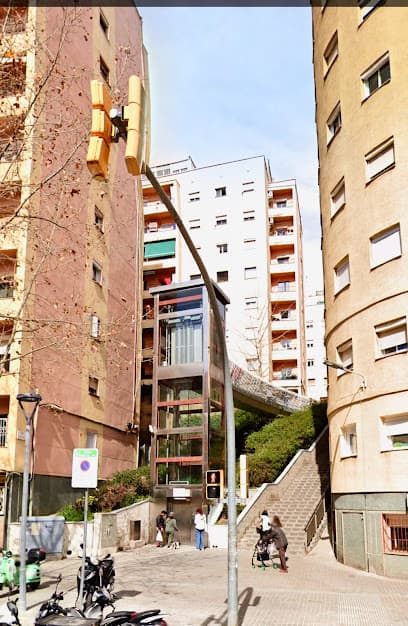
A glass-and-steel lifeline in Nou Barris that saves your knees and offers a gritty, honest view of the Barcelona tourists usually ignore. No gift shops, just gravity-defying utility.
0.0(0)
Hiking area
ATTRACTION
Carrer pimoli42
Nou Barris
The anti-tourist Barcelona. A gritty, honest stretch of Nou Barris where the Gaudí magnets disappear and the real city begins over cheap beer and the smell of rotisserie chicken.
0.0(0)
Tourist attraction
Frequently Asked Questions
Is MUHBA Casa de l’Aigua worth visiting?
Yes, if you enjoy industrial history, underground tunnels, and escaping the tourist crowds. It offers a raw, unfiltered perspective on Barcelona's 20th-century infrastructure that most visitors never see.
How do I get to Casa de l’Aigua?
Take the Metro L4 or L11 to the Trinitat Nova station. From there, it is a short walk to the museum complex in Nou Barris.
Do I need to book tickets in advance?
While you can often visit the grounds, guided tours of the underground tunnels usually require advance booking through the MUHBA website, as they only happen on specific days.
What is the best time to visit?
Check the MUHBA schedule for Sunday mornings, as many of their sites offer free entry or specific guided tours then. It is rarely crowded, so any open time is a good time.
Reviews
0 reviews for MUHBA Casa de l’Aigua
No reviews yet. Be the first to share your experience!