4.4
2,341 verified reviews
About
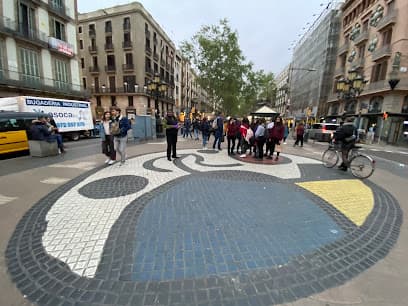
La Rambla is a meat grinder. It is a nerve-shredding, wallet-threatening gauntlet of human statues, overpriced gelato, and tourists wandering in a daze. It’s the kind of place locals claim to hate but can’t quite quit. And right in the thick of it, near the Liceu Opera House, is a circular splash of primary colors that most people walk right over without a second thought. This is the Mosaic de Joan Miró, also known as the Pla de l'Os, and it is perhaps the most honest piece of art in the city.
In 1976, Joan Miró was eighty-three years old and arguably the greatest living Catalan artist. He didn’t want a bronze statue behind a velvet rope. He wanted to give Barcelona a greeting—a welcome mat for those arriving by sea. He chose the Pla de l'Os, the 'Plain of the Bear,' a spot where one of the old city gates once stood. He designed a circular pavement mosaic using his signature palette: a bold yellow, a deep blue, and a blood-red, all anchored by simple black lines. It’s a cosmic target, a sunburst on the pavement, and it was designed specifically to be trampled into the dust.
Miró was clear about his intentions: he wanted the tiles to be ground down by the soles of everyday people. He didn't want the art to be precious; he wanted it to be part of the city’s grime and its glory. Every few decades, the city has to replace the tiles because the millions of sneakers, heels, and flip-flops eventually win the war of attrition. There is something beautiful and deeply right about that—the idea that art only truly lives when it is being used, worn out, and integrated into the messy business of existing. If you look closely, you can find one tile signed by the man himself, a quiet 'Miró' tucked into the chaos.
But you can’t talk about this mosaic anymore without talking about the weight it carries. On August 17, 2017, this is where the van finally came to a halt after the horrific terror attack on La Rambla. In the days that followed, the mosaic disappeared under a mountain of flowers, candles, and messages of 'No tinc por'—I am not afraid. It transformed from a piece of public art into a sacred site of resilience. It became the heart of Barcelona’s grief and its refusal to be broken. When you stand here now, you aren't just standing on a piece of 20th-century surrealism; you are standing on the spot where the city collectively held its breath and then decided to keep walking.
Is it worth it? It’s a patch of pavement. It’s free. It takes thirty seconds to see and a lifetime to process. Don't be the person who just snaps a selfie and moves on to the next souvenir stall. Stand in the center of the circle for a minute. Feel the vibration of the city through your feet. Watch the crowds swirl around you like a human tide. This is Barcelona at its most raw—frenetic, tragic, beautiful, and stubbornly enduring. It’s not a 'must-see' for your bucket list; it’s a place to pay your respects to a city that knows how to take a hit and keep on dancing. If you’re looking for the best public art in Barcelona, you’re standing on it.
Type
Tourist attraction
Duration
10-15 minutes
Best Time
Early morning (before 9:00 AM) to see the colors clearly before the heavy crowds arrive.
What People Say
piece of art(28)walking(18)emblem(12)Handsome(10)sad(10)1976(7)2017(6)terrorist(5)
Features
Tourist attraction
Categories
ModernismPublic ArtMemorialSurrealism
Ticket Prices
Free Admission
No tickets required
Opening Hours
- MondayOpen 24 hours
- TuesdayOpen 24 hours
- WednesdayOpen 24 hours
- ThursdayOpen 24 hours
- FridayOpen 24 hours
- SaturdayOpen 24 hours
- SundayOpen 24 hours
Must-See Highlights
The artist's signature on one of the tiles
The vibrant primary colors (yellow, blue, red)
The central location near the Liceu Opera House
Visitor Tips
Look down! Thousands of people walk over it every hour without realizing it's a Miró.
Combine this with a visit to the Boqueria Market just a few steps away.
Be mindful of pickpockets while you are looking down at the art; this is a high-traffic area.
Good For
Art loversHistory buffsBudget travelersFamilies
Why Visit
Art designed to be trampled by the public
The symbolic heart and resilience center of La Rambla
A rare 1970s masterpiece accessible 24/7 for free
Nearby Landmarks
- 1-minute walk from Gran Teatre del Liceu
- 3-minute walk from Mercat de la Boqueria
- 4-minute walk from Plaça Reial
Accessibility
- Fully wheelchair accessible
- Level pavement
- Public street location
Location
La Rambla, 71
Ciutat Vella, Barcelona
Nearby Hotels
Nearby Restaurants
In Ciutat Vella
ATTRACTION
Park
Ciutat Vella
A thousand years of silence tucked behind a Romanesque monastery, where the grit of El Raval dissolves into ancient stone, cool shadows, and the heavy weight of history.
0.0(0)
Park
ATTRACTION
BARSHELONA
Ciutat Vella
Forget the plastic bulls and tacky magnets. This is where Barcelona’s soul is bottled into art, a small sanctuary of local design hidden in the shadows of the Gothic Quarter.
0.0(0)
Tourist attraction
ATTRACTION
Minajoe art
Ciutat Vella
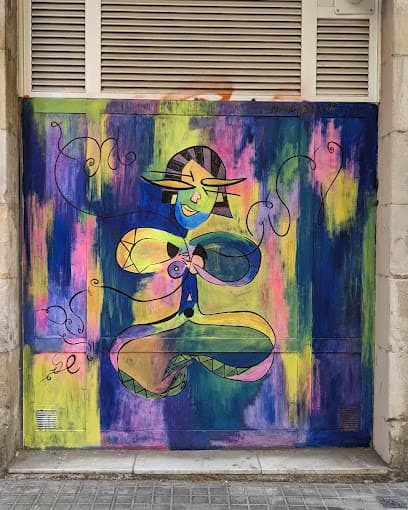
A raw, paint-splattered antidote to the sterile museum circuit. This is where pop-art meets the grit of the street, served straight from the artist’s hands in the heart of old Barcelona.
0.0(0)
Tourist attraction
Frequently Asked Questions
Is the Joan Miró Mosaic worth visiting?
Absolutely. It is a free, iconic piece of public art that serves as the symbolic heart of La Rambla. It offers a rare chance to literally walk on a masterpiece by one of the world's greatest artists.
Where exactly is the Miró Mosaic located?
It is located in the center of the pedestrian walkway on La Rambla, directly in front of the Liceu Opera House (Metro Liceu, L3). Look for the large circular pavement design with primary colors.
Can you walk on the Joan Miró Mosaic?
Yes, you are encouraged to walk on it. Miró specifically designed the piece to be part of the city's pavement and intended for it to be worn down by the footsteps of pedestrians.
What is the history of the Pla de l'Os?
The mosaic was installed in 1976 as a gift from Miró to welcome visitors arriving from the sea. Since 2017, it has also served as an unofficial memorial for the victims of the La Rambla terror attack.
Reviews
0 reviews for Mosaic de Joan Miró
No reviews yet. Be the first to share your experience!