
4.4
55 verified reviews
About
The Gothic Quarter is a labyrinth of ghosts, but most people are too busy looking for the nearest tapas bar to notice. If you want to feel the real heartbeat of this city—the one that isn't for sale to tourists—you need to find Plaça de Garriga i Bachs. It’s a tiny, recessed square tucked against the side of the massive Barcelona Cathedral. It’s easy to miss, and that’s exactly why it matters. It’s a cold draft in a warm room, a place where the air feels a little heavier and the stones a little older.
The Monument to the Martyrs of Independence (Monument als Herois del 1809) isn't some triumphant general on a horse. It’s a gut-wrenching bronze group by Josep Llimona, a man who knew how to make metal weep. These figures represent the five citizens who led the 'Conspiracy of the Ascension' against Napoleon’s occupying forces in 1809. They weren't professional soldiers; they were guys who’d had enough of foreign boots on their streets. They got caught, and they got executed at the Ciutadella. End of story, or so the French thought.
Llimona’s sculptures capture that final, agonizing walk toward the gallows. There’s a priest, Father Joaquim Pou, and four others. Look at their faces. There’s no Hollywood bravery here, just the heavy, suffocating reality of mortality. The bronze has a dark, weathered patina that feels like it’s soaked up two centuries of Barcelona humidity and sorrow. It’s a masterclass in Catalan Modernism, but without the whimsical curves of Gaudí. This is the hard stuff, the stuff that stays with you long after you've left the square.
Behind the bronze figures is a ceramic mosaic by Francesc Labarta. It’s bright, colorful, and almost cheerful, which makes the grim scene in front of it even more jarring. It depicts the angels receiving the souls of the martyrs. It’s a very Catholic, very Spanish way of dealing with tragedy: wrap the horror in a layer of divine beauty. The contrast is enough to give you whiplash. You’re standing in the heart of the Ciutat Vella, surrounded by the weight of the Napoleonic wars in Barcelona, and the silence of this square is louder than the crowds just twenty yards away on Carrer del Bisbe.
When you’re looking for things to do in Barcelona, you’re usually looking for the 'best' or the 'most beautiful.' This isn't that. This is a reminder that the cobblestones you’re walking on were paid for in blood. The monument was inaugurated in 1929, during the International Exposition, a time when Barcelona was trying to show the world its modern face while still honoring its rebellious bones. It’s a piece of Gothic Quarter history that refuses to be forgotten, even as the city around it transforms into a playground for the wealthy.
Is it worth visiting? If you want to understand why the people of this city are the way they are—stubborn, fiercely independent, and prone to taking to the streets—then yes. It’s a five-minute detour from the main tourist drag, but it’s a world away from the souvenir shops. Stand there for a minute. Listen to the bells of the Cathedral. Feel the cool air that seems to settle in this square even on the hottest July afternoon. It’s a quiet, brutal piece of history that doesn't need a gift shop to justify its existence. Don't just snap a photo and move on. Look at the hands of the sculptures. Look at the way they hold each other. It’s a testament to human resilience in the face of certain doom. It’s raw, it’s honest, and it’s one of the few places where the past feels like it’s still breathing down your neck.
Type
Historical landmark, Tourist attraction
Duration
15-30 minutes
Best Time
Early morning or late evening when the square is quietest and the shadows emphasize the sculpture's detail.
What People Say
cathedral(7)sculptures(7)napoleonic wars(5)1929(5)troop(5)bronze(4)cloister(3)1941(3)
Features
Historical landmark
Tourist attraction
Categories
HistorySculptureModernismGothic Quarter
Ticket Prices
Free Admission
No tickets required
Opening Hours
- MondayOpen 24 hours
- TuesdayOpen 24 hours
- WednesdayOpen 24 hours
- ThursdayOpen 24 hours
- FridayOpen 24 hours
- SaturdayOpen 24 hours
- SundayOpen 24 hours
Must-See Highlights
The expressive faces of the bronze martyrs
The colorful ceramic mosaic by Francesc Labarta
The priest figure, Father Joaquim Pou
The surrounding Gothic architecture of the Cathedral wall
Visitor Tips
Look for the small plaque explaining the 1809 conspiracy
Combine this with a visit to the nearby Plaça de Sant Felip Neri for a full 'hidden history' tour
The square is a great place for a quiet moment of reflection away from the Cathedral crowds
Good For
History buffsArt loversSolo travelersPhotography
Why Visit
Masterpiece by Josep Llimona, one of Catalonia's greatest sculptors
Hidden historical enclave in the heart of the busy Gothic Quarter
Striking contrast between grim bronze figures and vibrant ceramic mosaics
Nearby Landmarks
- Barcelona Cathedral (1-minute walk)
- Plaça de Sant Felip Neri (3-minute walk)
- Plaça de Sant Jaume (4-minute walk)
- MUHBA Temple d'August (3-minute walk)
Accessibility
- Outdoor public square
- Level ground access from Carrer del Bisbe
Location
Carrer del Bisbe, 10
Ciutat Vella, Barcelona
Nearby Hotels
Nearby Restaurants
In Ciutat Vella
ATTRACTION
Park
Ciutat Vella
A thousand years of silence tucked behind a Romanesque monastery, where the grit of El Raval dissolves into ancient stone, cool shadows, and the heavy weight of history.
0.0(0)
Park
ATTRACTION
BARSHELONA
Ciutat Vella
Forget the plastic bulls and tacky magnets. This is where Barcelona’s soul is bottled into art, a small sanctuary of local design hidden in the shadows of the Gothic Quarter.
0.0(0)
Tourist attraction
ATTRACTION
Minajoe art
Ciutat Vella
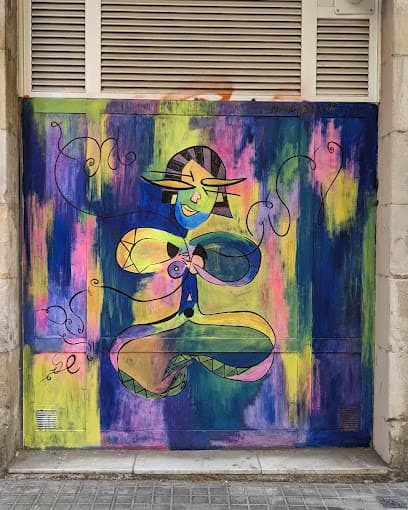
A raw, paint-splattered antidote to the sterile museum circuit. This is where pop-art meets the grit of the street, served straight from the artist’s hands in the heart of old Barcelona.
0.0(0)
Tourist attraction
Frequently Asked Questions
Is the Monument to the Martyrs of Independence worth visiting?
Yes, especially for history buffs and fans of sculpture. It is a powerful, somber work by Josep Llimona that offers a deep look into Barcelona's resistance against Napoleon, located in a quiet square away from the main crowds.
Where is the monument located?
It is located in Plaça de Garriga i Bachs, tucked against the side wall of the Barcelona Cathedral in the Gothic Quarter (Ciutat Vella).
Who were the martyrs of 1809?
They were five Barcelona citizens, including two priests, who were executed by Napoleon's troops for leading a failed uprising known as the Conspiracy of the Ascension.
Is there an entrance fee to see the monument?
No, the monument is located in a public square and is free to view at any time of day.
Reviews
0 reviews for Monument to the martyrs of independence
No reviews yet. Be the first to share your experience!