4.5
4 verified reviews
About
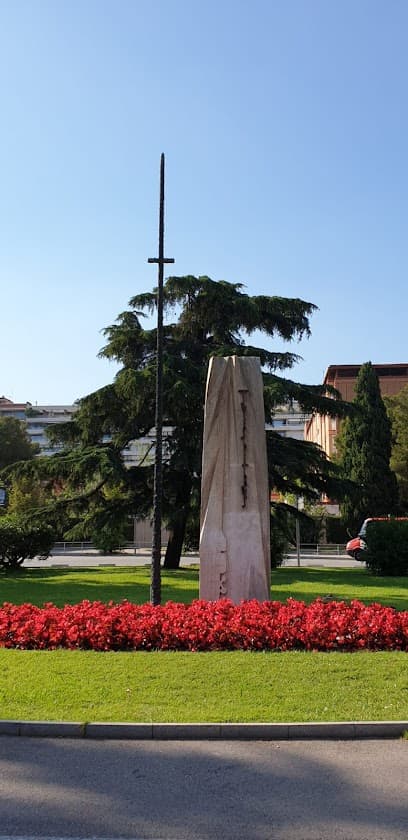
You’re standing at the intersection of Avinguda Diagonal and Gran Via de Carles III, a place where Barcelona doesn’t sleep; it just idles in traffic. In the center of this concrete chaos, rising like a stone finger pointed at a God who might be struggling to hear over the sound of motorcycle engines, is the Monument to Pius XII. It’s not the kind of thing you’ll find on a postcard next to a smiling sun. It’s austere, it’s tall, and it’s heavy with the weight of a history that many would rather forget or at least ignore while they’re rushing to a meeting in one of the nearby glass towers.
This isn't Gaudí’s whimsical dreamscape. This is the architecture of the mid-20th century—sharp, vertical, and unapologetically religious. Built to commemorate the 35th International Eucharistic Congress held in Barcelona in 1952, the monument wasn't actually finished until 1962. The Congress itself was a massive deal, a 'coming out' party for the Franco regime, intended to show the world that Spain was a bastion of Catholic order. The monument, designed by sculptor Julià Riu i Serra, captures that vibe perfectly. It’s a slender, four-sided column topped with a cross and a figure of the Pope, looking out over a city that has changed drastically since he was carved.
When you’re looking for things to do in Les Corts, you usually end up at the Camp Nou or the high-end shopping malls, but stopping here offers a different kind of perspective. The monument sits in the middle of Plaça de Pius XII, a traffic island that feels more like a transit hub than a park. The air smells of diesel and burnt rubber, and the sound is a constant, low-frequency hum of tires on asphalt. Yet, there’s something strangely compelling about this monolith. It’s a survivor. It has watched the city transition from a grey, repressed capital to the neon-lit, tourist-heavy Mediterranean hub it is today. It’s a piece of Barcelona history that doesn't try to please you.
The design is minimalist, almost brutalist in its simplicity. Riu i Serra didn't go for Baroque flourishes. He went for height and presence. The stone is weathered, stained by decades of city soot, which only adds to its gravitas. It’s a reminder that Barcelona’s identity isn't just about beaches and tapas; it’s built on layers of deep-seated faith, political maneuvering, and a stubborn refusal to tear down the past, even when it’s inconveniently located in the middle of a major thoroughfare.
Is the Monument to Pius XII worth it? If you’re looking for a place to take a selfie and eat an ice cream, probably not. But if you want to feel the real, unvarnished pulse of the city—the part that isn't curated for the cruise ship crowds—then yes. Stand at the base of it for five minutes. Watch the commuters blast past, oblivious to the giant stone Pope above them. It’s a lesson in the transience of power and the permanence of stone. It’s a quiet, cold spot in a loud, hot city, and in a place as polished as modern Barcelona, that kind of honesty is rare. It’s a landmark for those who prefer their history served straight, without the garnish of a gift shop.
Type
Tourist attraction
Duration
15-30 minutes
Best Time
Late afternoon when the sun hits the stone, or during off-peak traffic hours to avoid the worst noise.
Features
Tourist attraction
Categories
HistorySculptureReligious SiteMid-century Architecture
Ticket Prices
Free Admission
No tickets required
Opening Hours
- MondayOpen 24 hours
- TuesdayOpen 24 hours
- WednesdayOpen 24 hours
- ThursdayOpen 24 hours
- FridayOpen 24 hours
- SaturdayOpen 24 hours
- SundayOpen 24 hours
Must-See Highlights
The central column designed by Julià Riu i Serra
The stylized figure of Pope Pius XII at the top
The surrounding mid-century urban landscape of Avinguda Diagonal
Visitor Tips
Combine this with a visit to the nearby Palau Reial gardens for a break from the traffic.
Look for the inscription at the base which details the 1952 Congress.
Be careful crossing the busy roads of the Diagonal to reach the central plaza.
Good For
History buffsArchitecture studentsSolo travelersUrban explorers
Why Visit
A rare example of mid-century religious monumentalism in Barcelona
Commemorates the pivotal 1952 International Eucharistic Congress
Located at a major urban crossroads, offering a unique 'traffic island' perspective of the city
Nearby Landmarks
- 5-minute walk from Palau Reial de Pedralbes
- 8-minute walk from Maria Cristina Metro Station
- 12-minute walk from Camp Nou
- 10-minute walk from Jardins de la Maternitat
Accessibility
- Public square access
- Flat paved surfaces surrounding the monument
Location
Les Corts, Barcelona
Nearby Hotels
Nearby Restaurants
In Les Corts
ATTRACTION
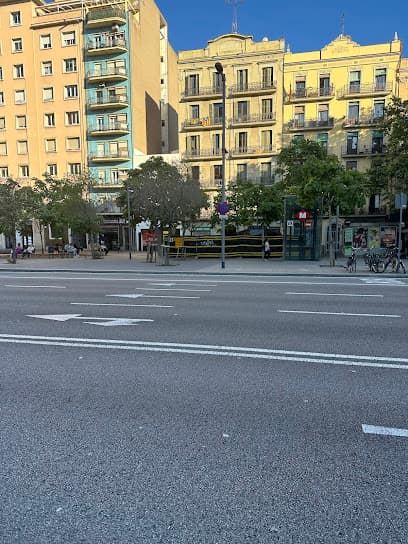
Placa commemorativa 'El Congrés de Sants de la CNT de 1918'
Les Corts
A humble plaque marking the spot where the CNT redefined the labor struggle in 1918. No gift shops here, just the ghosts of the 'Rose of Fire' and the grit of Sants.
0.0(0)
Memorial park
ATTRACTION
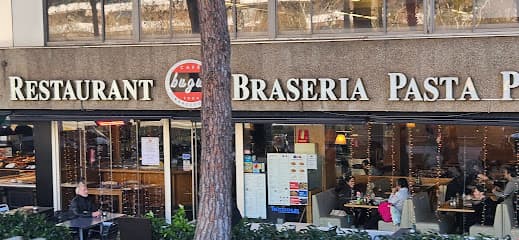
City Bus Tour Stop Plaça Pius XII
Les Corts
A sun-baked slab of pavement on the Diagonal where the double-deckers pause to vent exhaust and drop off pilgrims heading for the altar of FC Barcelona.
0.0(0)
Tourist attraction
ATTRACTION
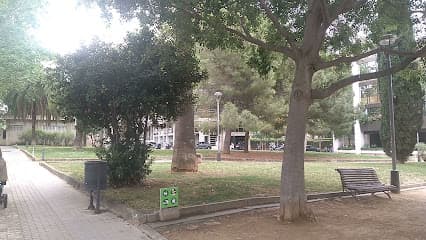
Jardins de la Font dels Ocellets
Les Corts
A quiet, unpretentious slice of Les Corts where the only thing louder than the fountain is the sound of locals actually living their lives away from the Gaudí-obsessed crowds.
0.0(0)
Garden
Frequently Asked Questions
Is the Monument to Pius XII worth visiting?
It is worth a quick stop if you are an architecture or history buff interested in Barcelona's mid-century religious and political history. It is not a traditional tourist site with amenities, but it offers a stark look at the city's past.
How do I get to the Monument to Pius XII?
The monument is located in Plaça de Pius XII. The easiest way to get there is by taking the L3 Metro to the Maria Cristina station, which is just a short walk away.
What does the monument represent?
It commemorates the 35th International Eucharistic Congress held in Barcelona in 1952, a major event that signaled the city's reintegration into the international Catholic community during the Franco era.
Reviews
0 reviews for Monument Barcelona a Pius XII
No reviews yet. Be the first to share your experience!