4.5
4 verified reviews
About
Most people walking through the narrow, stone-choked arteries of El Born are on a mission. They are hunting for the Picasso Museum, clutching their digital tickets like holy relics, eyes glued to Google Maps, oblivious to the fact that they are walking over the very ground where the man himself actually lived, breathed, and drank himself into a stupor. If you want to understand the real Pablo—not the brand, not the gift shop version—you need to stop at a small, unassuming square called Plaça de Jacint Reventós. There, you’ll find a bronze bust of a man who didn't paint masterpieces, but who made sure the guy who did stayed alive long enough to finish them.
Jacint Reventós wasn't a general, a king, or a saint. He was a doctor. In the early 20th century, when Barcelona was a chaotic, soot-stained port city vibrating with anarchist bombs and artistic revolution, Reventós was the connective tissue of the 'Quatre Gats' circle. He was the guy who looked after the poets, the painters, and the dreamers when they were too broke to pay for a consultation. He was Picasso’s best friend, a man who shared the artist’s youth, his secrets, and his transition from a struggling kid in the Ribera to a global icon. When you look at this monument, you aren't looking at 'public art' in the boring, civic sense. You’re looking at a tribute to a friendship that survived the Spanish Civil War and the crushing weight of fame.
The sculpture itself is the work of Manuel Pallarès. If that name sounds familiar to art history nerds, it should. Pallarès was another of Picasso’s inner circle—the man Picasso famously said taught him everything he knew. This isn't some corporate-commissioned piece of abstract junk. It’s a work of love by one friend for another, depicting the third. It’s a closed loop of history, frozen in bronze. The bust sits on a simple stone pedestal, weathered by the humid Mediterranean air and the occasional pigeon, looking out over a plaza that feels like a rare pocket of silence in a neighborhood that has largely been sold off to the highest bidder.
Is it worth it? That depends on what you’re looking for. If you want flashing lights and interactive displays, keep walking. But if you want a moment to breathe, to stand in the shadow of the old city and realize that the 'best things to do in El Born Barcelona' aren't always the ones with a queue, then yes, it’s worth every second. It’s a reminder that behind every great genius is a guy like Reventós—someone who kept the lights on, someone who listened, someone who remained a human being while everyone else was trying to turn his friend into a god.
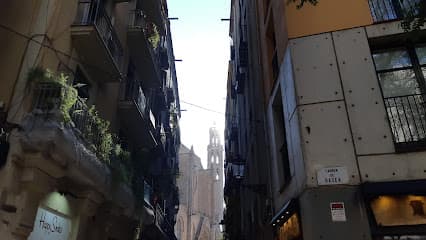
Come here in the late afternoon when the light hits the bronze just right, turning the doctor’s features into a map of old Barcelona. The surrounding buildings lean in, their balconies draped with laundry, their stones soaked in centuries of gossip and grease. It’s honest. It’s unpretentious. It’s the kind of place where you can lean against a wall, light a cigarette, and feel the weight of the past without a tour guide shouting in your ear. In a city that is increasingly becoming a theme park version of itself, the Monument a Jacint Reventós remains a stubborn, quiet piece of the truth.
Type
Tourist attraction
Duration
15-30 minutes
Best Time
Late afternoon for the best light on the bronze and fewer crowds in the surrounding streets.
Features
Tourist attraction
Categories
SculptureArtHistoryPicasso
Ticket Prices
Free Admission
No tickets required
Opening Hours
- MondayOpen 24 hours
- TuesdayOpen 24 hours
- WednesdayOpen 24 hours
- ThursdayOpen 24 hours
- FridayOpen 24 hours
- SaturdayOpen 24 hours
- SundayOpen 24 hours
Must-See Highlights
The bronze bust of Jacint Reventós
The inscription detailing his friendship with Picasso
The surrounding medieval architecture of the Ribera district
Visitor Tips
Visit right before or after the Picasso Museum to put the artist's life in context.
Look for the small plaque that explains the significance of the doctor to the city's cultural history.
The square is a great spot for a quiet coffee away from the main tourist thoroughfares.
Good For
History buffsArt loversBudget travelersSolo travelers
Why Visit
Direct connection to Picasso's inner circle and the 'Quatre Gats' era
Sculpted by Manuel Pallarès, another of Picasso's closest friends
A rare pocket of quiet and authentic history in the heart of tourist-heavy El Born
Nearby Landmarks
- 1-minute walk from the Picasso Museum
- 3-minute walk from Santa Maria del Mar Basilica
- 2-minute walk from the Moco Museum Barcelona
- 5-minute walk from Mercat de Santa Caterina
Accessibility
- Public square access
- Flat terrain
- Wheelchair accessible
Location
Plaça de Jacint Reventós
Ciutat Vella, Barcelona
Nearby Hotels
Nearby Restaurants
In Ciutat Vella
ATTRACTION
Park
Ciutat Vella
A thousand years of silence tucked behind a Romanesque monastery, where the grit of El Raval dissolves into ancient stone, cool shadows, and the heavy weight of history.
0.0(0)
Park
ATTRACTION
BARSHELONA
Ciutat Vella
Forget the plastic bulls and tacky magnets. This is where Barcelona’s soul is bottled into art, a small sanctuary of local design hidden in the shadows of the Gothic Quarter.
0.0(0)
Tourist attraction
ATTRACTION
Minajoe art
Ciutat Vella
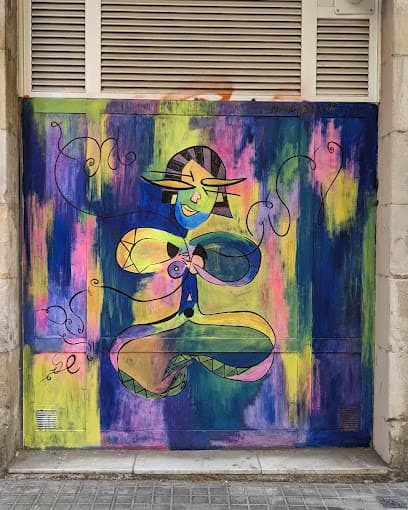
A raw, paint-splattered antidote to the sterile museum circuit. This is where pop-art meets the grit of the street, served straight from the artist’s hands in the heart of old Barcelona.
0.0(0)
Tourist attraction
Frequently Asked Questions
Is the Monument a Jacint Reventós worth visiting?
Yes, if you are interested in the history of Picasso and the artistic circles of old Barcelona. It is a quiet, free landmark that offers a more intimate connection to the city's past than the crowded museums nearby.
Who was Jacint Reventós?
Jacint Reventós was a prominent Barcelona doctor and a very close lifelong friend of Pablo Picasso. He was a key figure in the 'Quatre Gats' artistic circle and provided medical care to many struggling artists in the early 20th century.
How do I get to the Monument a Jacint Reventós?
The monument is located in the Plaça de Jacint Reventós in the El Born/Ribera district. It is a 1-minute walk from the Picasso Museum and can be reached via the Jaume I metro station (L4).
Is there an entrance fee for the monument?
No, the monument is located in a public square and is free to visit at any time of day.
Reviews
0 reviews for Monument a Jacint Reventós
No reviews yet. Be the first to share your experience!