About
Montjuïc is not just a hill; it’s a massive, multi-layered geological witness to everything Barcelona has been, for better and for worse. It sits there like a silent sentinel overlooking the Mediterranean, a green expanse that has served as a quarry, a Jewish cemetery, a world’s fair playground, an Olympic stage, and a grim site of execution. If you want to understand the complex identity of this city, you have to climb this rock.
Most people start at Plaça d'Espanya, walking between the twin Venetian towers toward the Palau Nacional. It’s a grand, imperial entrance designed to impress the hell out of you. This is where you’ll find the Magic Fountain. The fountain has faced periodic closures in recent years due to local drought protocols, so it is essential to check the official schedule before planning your evening around it. Is it touristy? Absolutely. Is it a kitschy spectacle of light and music? You bet. But when those jets hit the sky against the backdrop of the illuminated palace, even the most jaded traveler feels a little something in their chest. It’s a free show, a communal moment of 'wow' that reminds you why people still flock to these grand, public displays.
But don't stop at the fountain. Keep going up. You can take the funicular from Paral·lel and then the cable car, which dangles you over the city in a glass box, offering views that make the harbor look like a toy set. At the very top sits the Castell de Montjuïc. It’s a heavy, brooding fortress with a dark history that the city is still reckoning with. For centuries, its cannons weren't pointed at invaders; they were pointed down at the city itself to keep the locals in line. It was a prison, a torture chamber, and the place where the Nazis handed over Catalan President Lluís Companys to be shot by Franco’s men. Walking the ramparts today, the sea breeze feels a little colder when you remember what happened in those moats.
Between the castle and the palace, the hill is a maze of gardens and significant art collections. The Fundació Joan Miró is a masterpiece of Mediterranean light and primary colors, a stark contrast to the heavy stone of the castle. Then there’s the MNAC (Museu Nacional d'Art de Catalunya), which houses Romanesque frescoes stripped from remote Pyrenean churches—art so old and raw it feels like it’s vibrating.
For the sports junkies, the Olympic Ring is a ghost of 1992, the year Barcelona finally invited the world over and showed them how to party. The stadium and the needle-like Calatrava tower still stand as monuments to that transformation. If you’re feeling the heat, the Piscina Municipal de Montjuïc offers the most iconic dive in the world—the one from the Kylie Minogue video where the city skyline is the only thing behind the diving board.
Montjuïc is a lot to take in. It’s exhausting, it’s steep, and it’s occasionally confusing. But it’s the only place where you can see the city’s past, present, and future all at once. When you’re done, skip the overpriced cafes on the hill. Head down into Poble Sec, find a crowded bar like Quimet i Quimet, order a glass of vermut and some canned cockles, and toast to the mountain. It’s earned it.
Type
Tourist attraction
Duration
4-6 hours
Best Time
Late afternoon to catch the sunset from the castle ramparts, followed by the Magic Fountain show in the evening (check schedule for availability).
Guided Tours
Available
Audio Guide
Available
Features
Tourist attraction
Categories
ParkMuseumHistoryArchitectureViewpoint
Ticket Prices
adult€12.00
child€0.00
senior€8.00
Must-See Highlights
Montjuïc Castle ramparts
Romanesque collection at MNAC
The Magic Fountain show
Joan Miró Foundation
Olympic Stadium and Calatrava Tower
Visitor Tips
Visit the Castle on a Sunday after 3pm for free entry.
Wear comfortable walking shoes; the hill is much larger than it looks on a map.
Bring water, as prices at the hilltop kiosks are significantly inflated.
The Funicular is part of the standard metro network, so you don't need a special ticket if you have a T-Casual or Hola BCN card.
Good For
History buffsArt loversFamiliesPhotographersBudget travelers (for the free parks and views)
Why Visit
360-degree panoramic views of the Mediterranean Sea and the entire Barcelona skyline
A dense concentration of major art museums (MNAC, Miró) and Olympic history
The iconic Magic Fountain, a grand light and water spectacle (subject to drought-related schedules)
Nearby Landmarks
- 25-minute uphill walk from Plaça d'Espanya to the Olympic Ring
- 15-minute walk from the Poble Sec tapas district to the lower gardens
- 30-minute walk from the MNAC to the Montjuïc Castle summit
Accessibility
- Wheelchair accessible funicular
- Accessible cable car cabins
- Ramps available in major museums
- Some steep terrain in the gardens
Location
Carrer Nou de la Rambla, 15
Ciutat Vella, Barcelona
Nearby Hotels
Nearby Restaurants
In Ciutat Vella
ATTRACTION
Park
Ciutat Vella
A thousand years of silence tucked behind a Romanesque monastery, where the grit of El Raval dissolves into ancient stone, cool shadows, and the heavy weight of history.
0.0(0)
Park
ATTRACTION
BARSHELONA
Ciutat Vella
Forget the plastic bulls and tacky magnets. This is where Barcelona’s soul is bottled into art, a small sanctuary of local design hidden in the shadows of the Gothic Quarter.
0.0(0)
Tourist attraction
ATTRACTION
Minajoe art
Ciutat Vella
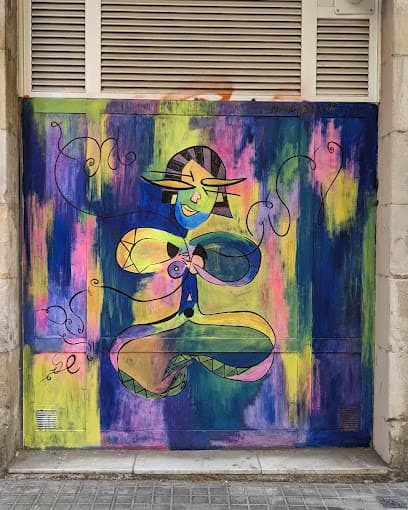
A raw, paint-splattered antidote to the sterile museum circuit. This is where pop-art meets the grit of the street, served straight from the artist’s hands in the heart of old Barcelona.
0.0(0)
Tourist attraction
Frequently Asked Questions
Is Montjuïc worth visiting?
Yes, it is essential. It offers the best panoramic views of Barcelona and houses the city's most important museums, including the MNAC and Fundació Joan Miró, alongside the historic Montjuïc Castle.
Is the Magic Fountain working?
The Magic Fountain's operation is subject to Barcelona's water conservation protocols. It has experienced extended closures during drought periods, so it is essential to check the official Barcelona city website for the latest operational status and show times.
How do I get to the top of Montjuïc?
The easiest way is taking the Metro to Paral·lel (L2/L3), then the Funicular de Montjuïc (included in your metro ticket), followed by the Telefèric cable car or Bus 150 to reach the castle at the summit.
How much does it cost to visit Montjuïc?
Access to the hill and parks is free. Montjuïc Castle costs approximately €9-12, while museums like MNAC and Miró Foundation have separate entry fees. The castle is free on Sundays after 3:00 PM.
Reviews
0 reviews for Mont Juic
No reviews yet. Be the first to share your experience!