4.6
5,758 verified reviews
About
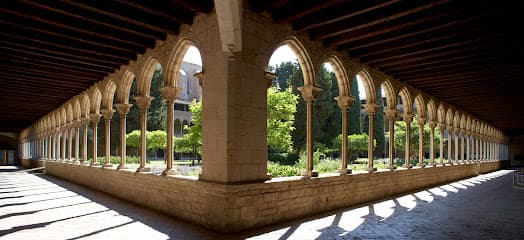
Barcelona is a city that screams. It screams with the rattle of scooters, the shouting of street performers, and the relentless thrum of five million tourists trying to find a decent paella. But if you take the L6 train to the end of the line and walk uphill until your calves burn, you find the Monastery of Pedralbes. It doesn't scream. It whispers. This is the real deal—a massive, three-story Gothic cloister that feels like it was carved out of silence itself.
Founded in 1327 by Queen Elisenda de Montcada, this isn't some dusty relic kept on life support for the sake of a UNESCO plaque. While the rest of the world was busy inventing gunpowder and killing each other over spice routes, the Poor Clare nuns were here, tending to medicinal herbs and praying in the shadows of these arches. The architecture is pure Catalan Gothic—austere, elegant, and devoid of the frantic ornamentation you see in the later, more tourist-clogged landmarks. The cloister is the heart of the beast. It’s one of the largest and best-preserved in the world, and standing in the center of the garden, looking up at those three tiers of slender columns, you get a sense of scale that makes you feel appropriately small. It’s the kind of place where you stop checking your phone because the light hitting the stone at 4 PM is more interesting than anything on your feed.
Don't skip the Chapel of St. Michael. It’s home to frescoes by Ferrer Bassa, a man often called the Spanish Giotto. These paintings are a miracle. They survived the centuries, the wars, and the dampness of the Mediterranean air. The colors are still vivid, the faces of the saints still carrying that weird, haunting medieval intensity. It’s a protein rush for the eyes, a reminder that "old" doesn't mean "obsolete." You’re looking at the dawn of the Renaissance in Catalonia, tucked away in a quiet corner of a posh neighborhood.
Then there’s the tomb of Queen Elisenda. It’s a masterclass in medieval PR: the tomb is double-sided. On the church side, she’s depicted in her full royal regalia, reminding God and the public of her power. On the cloister side, she’s shown in the humble habit of a widow and a nun. You have to respect the hustle—covering all bases for the afterlife.
Is the Monastery of Pedralbes worth visiting? If you’re looking for a theme park or a place to take a selfie with a guy in a mascot suit, no. If you want to see where the soul of Barcelona hid for seven hundred years, then absolutely. It’s quiet, it’s cool, and it’s honest. The museum displays are well-curated, focusing on the daily life of the monastery—the ceramics, the furniture, the tools of survival. It’s not just about the gold and the incense; it’s about the people who lived, worked, and died within these walls.
Go on a Sunday afternoon when it’s free, or pay the few euros during the week to have the place almost to yourself. Walk the medicinal garden, smell the rosemary, and listen to the wind in the cypresses. It’s the best antidote to the madness of the city center. Just don't expect a gift shop selling plastic Gaudí lizards. This is a place for reflection, for history, and for realizing that the best things in Barcelona are often the ones that don't try so hard to be noticed.
Type
Monastery, Art museum
Duration
1.5-2 hours
Best Time
Sunday after 3 PM for free entry, or weekday mornings for total solitude.
Guided Tours
Available
Audio Guide
Available
What People Say
exhibitions(80)muy interesante(61)audio guide(54)medieval(52)gothic art(51)14th century(36)kitchen garden(25)bus(25)
Features
Monastery
Art museum
Local history museum
Place of worship
Tourist attraction
Categories
Gothic ArchitectureArt MuseumReligious SiteMedieval History
Ticket Prices
adult€5.00
childFree (under 16)
senior€3.50
Opening Hours
- MondayClosed
- Tuesday10 AM to 2 PM
- Wednesday10 AM to 2 PM
- Thursday10 AM to 2 PM
- Friday10 AM to 2 PM
- Saturday10 AM to 5 PM
- Sunday10 AM to 2 PM
Must-See Highlights
The three-story Gothic cloister
St. Michael's Chapel frescoes by Ferrer Bassa
The tomb of Queen Elisenda de Montcada
The medieval medicinal garden
The monastery kitchens and day-to-day life exhibits
Visitor Tips
The walk from the metro is uphill; wear comfortable shoes.
Combine your visit with a walk through the charming old village of Sarrià nearby.
Check the website for temporary exhibitions, which are often high-quality and included in the price.
The audio guide is highly recommended to understand the complex history of the Poor Clare nuns.
Good For
History buffsArchitecture loversSolo travelers seeking peaceArt historians
Why Visit
One of the largest and best-preserved three-story Gothic cloisters in the world
Home to the 'Spanish Giotto' frescoes by Ferrer Bassa in St. Michael's Chapel
A rare, tranquil escape from Barcelona's urban noise in the upscale Pedralbes district
Nearby Landmarks
- 10-minute walk from Reina Elisenda FGC Station
- 15-minute walk from Sarrià old town
- 20-minute walk from Pavellons Güell
Accessibility
- Partial wheelchair access (ground floor of cloister)
- Accessible restrooms
- Elevators available for upper levels
Location
Baixada del Monestir, 9
Les Corts, Barcelona
Nearby Hotels
Nearby Restaurants
In Les Corts
ATTRACTION
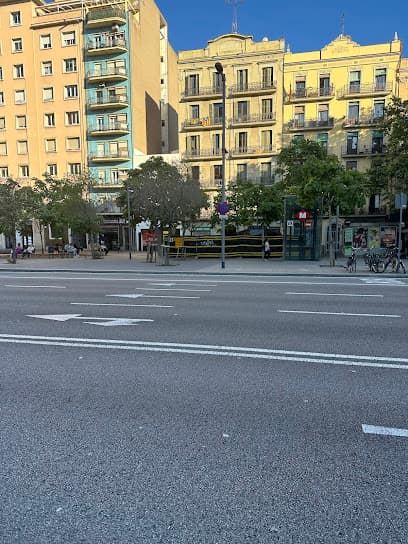
Placa commemorativa 'El Congrés de Sants de la CNT de 1918'
Les Corts
A humble plaque marking the spot where the CNT redefined the labor struggle in 1918. No gift shops here, just the ghosts of the 'Rose of Fire' and the grit of Sants.
0.0(0)
Memorial park
ATTRACTION
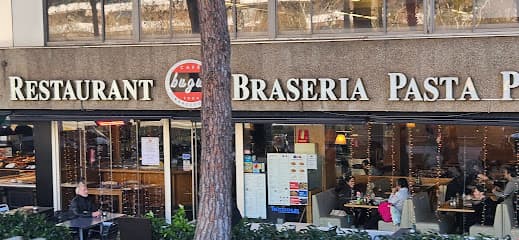
City Bus Tour Stop Plaça Pius XII
Les Corts
A sun-baked slab of pavement on the Diagonal where the double-deckers pause to vent exhaust and drop off pilgrims heading for the altar of FC Barcelona.
0.0(0)
Tourist attraction
ATTRACTION
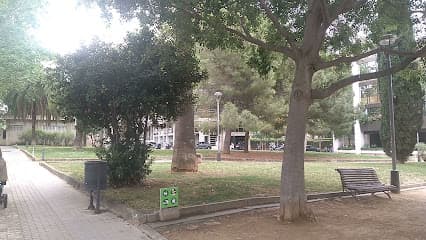
Jardins de la Font dels Ocellets
Les Corts
A quiet, unpretentious slice of Les Corts where the only thing louder than the fountain is the sound of locals actually living their lives away from the Gaudí-obsessed crowds.
0.0(0)
Garden
Frequently Asked Questions
Is the Monastery of Pedralbes worth visiting?
Yes, especially if you want to escape the crowds. It features one of the world's largest Gothic cloisters and stunning 14th-century frescoes that are rarely seen by the average tourist.
How do I get to the Monastery of Pedralbes?
Take the FGC train (Line L6) from Plaça de Catalunya to the Reina Elisenda station. From there, it is a pleasant 10-minute walk uphill through the quiet Pedralbes neighborhood.
When is the Monastery of Pedralbes free?
Admission is free every Sunday after 3:00 PM and all day on the first Sunday of every month. It is also free on certain holidays like February 12th (Santa Eulàlia).
What should I not miss at the monastery?
The Chapel of St. Michael is essential for its rare frescoes by Ferrer Bassa. Also, spend time in the three-story cloister and the medicinal garden to appreciate the scale of the medieval architecture.
Reviews
0 reviews for Monastery of Pedralbes
No reviews yet. Be the first to share your experience!