4.5
10 verified reviews
About
Walk past the gleaming, multi-million dollar super-yachts of OneOcean Port Vell, where the air smells of expensive wax and unearned leisure, and keep going. Keep going until the scent changes. You’re looking for the smell of diesel, wet scales, and the kind of hard, honest labor that doesn’t give a damn about your Instagram feed. This is Moll Nou, the beating, bloody heart of the Barceloneta fishing fleet, and it is one of the few places left where you can see the real Barcelona before it was shrink-wrapped for tourist consumption.
For decades, this was a forbidden zone, a walled-off industrial enclave where the city’s fishermen went about the grim business of hauling the Mediterranean’s bounty onto dry land. But thanks to a massive redevelopment of the Moll de Pescadors, the gates have cracked open. They’ve built a new elevated walkway—a passarel·la—that lets you hover over the action like a ghost. You aren’t down there slipping on fish guts, but you’re close enough to see the calloused hands and the exhaustion in the eyes of the crews as they return to port.
The timing here is everything. Don’t show up at noon expecting a show. You come at 4:00 PM. That’s when the blue-hulled trawlers start chugging back into the harbor, trailed by clouds of screaming seagulls who know exactly what’s about to happen. This is the best thing to do in Barceloneta if you actually want to understand why this neighborhood exists. You watch the crates of gamba vermella (red shrimp), hake, and shimmering sardines come off the boats and head straight into the Llotja, the fish auction house.
The Llotja itself is a temple of commerce. It’s not a market where you haggle over a kilo of mussels; it’s a high-speed, digital-age frenzy where local restaurateurs and wholesalers snap up the catch in seconds. While the auction is mostly for pros, the new visitor center and the viewing platforms give you a front-row seat to the supply chain. It’s visceral, it’s fast, and it’s entirely unapologetic. If you’ve ever wondered why that seafood paella in the Gothic Quarter costs what it does, the answer is right here, dripping in saltwater.
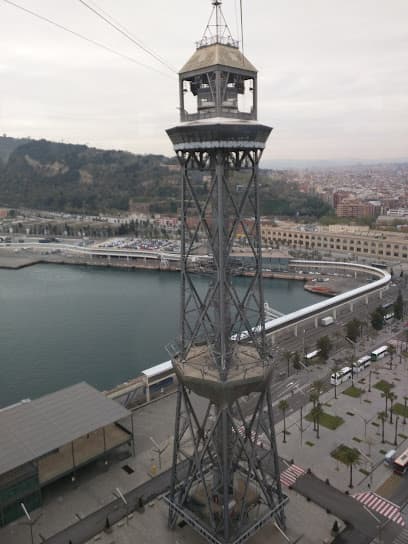
Standing guard over the whole operation is the Torre del Rellotge. Built in 1772, it was originally a lighthouse, marking the entrance to the port back when the sea came much further inland. In the mid-19th century, when the port expanded and the lighthouse became redundant, they slapped a clock face on it and turned it into a timepiece. It’s a beautiful, weathered sentinel that has watched the city transform from a maritime powerhouse into a tourist playground, yet it still keeps time for the men and women who work the nets.
Is Moll Nou worth visiting? If you want a sanitized, air-conditioned experience with a gift shop, absolutely not. Go back to the mall. But if you want to see the friction between the old world and the new, if you want to smell the sea as it actually is, and if you want to pay respects to the people who actually feed this city, then this is mandatory. It’s a reminder that beneath the Gaudí facades and the tapas tours, Barcelona is still a port city, built on salt, sweat, and the luck of the catch. It’s honest, it’s loud, and it’s the most real thing you’ll find on the waterfront.
Type
Tourist attraction
Duration
1 hour
Best Time
Weekdays at 4:00 PM to watch the boats return
Guided Tours
Available
Features
Tourist attraction
Categories
MaritimeIndustrial HeritageArchitectureLocal Culture
Ticket Prices
Free Admission
No tickets required
Opening Hours
- Monday10:30 AM to 7:30 PM
- Tuesday10:30 AM to 7:30 PM
- Wednesday10:30 AM to 7:30 PM
- Thursday10:30 AM to 7:30 PM
- Friday10:30 AM to 7:30 PM
- Saturday10:30 AM to 7:30 PM
- Sunday10:30 AM to 7:30 PM
Must-See Highlights
The return of the blue fishing trawlers at 4 PM
The digital fish auction inside the Llotja
The historic Torre del Rellotge lighthouse
The contrast between fishing boats and luxury yachts
Visitor Tips
Bring a camera with a good zoom for shots of the auction floor from the walkway
Don't wear your best shoes; it's a working port and can be gritty
Visit on a weekday; the fleet doesn't go out on weekends
Combine this with a meal at a nearby traditional seafood spot like La Cova Fumada
Good For
Photography enthusiastsFoodies interested in supply chainsHistory buffsOff-the-beaten-path travelers
Why Visit
Elevated public walkway overlooking an active industrial fishing port
The 18th-century Torre del Rellotge, a lighthouse turned clock tower
Direct view of the daily Mediterranean fish auction (La Llotja)
Nearby Landmarks
- Torre del Rellotge (1-minute walk)
- OneOcean Port Vell (5-minute walk)
- Barceloneta Beach (10-minute walk)
- Museum of the History of Catalonia (12-minute walk)
Accessibility
- Elevated walkway is accessible via ramps/elevators
- Paved surfaces
- Public area
Location
Pg. de Joan de Borbó, 79
Ciutat Vella, Barcelona
Nearby Hotels
Nearby Restaurants
In Ciutat Vella
ATTRACTION
Park
Ciutat Vella
A thousand years of silence tucked behind a Romanesque monastery, where the grit of El Raval dissolves into ancient stone, cool shadows, and the heavy weight of history.
0.0(0)
Park
ATTRACTION
BARSHELONA
Ciutat Vella
Forget the plastic bulls and tacky magnets. This is where Barcelona’s soul is bottled into art, a small sanctuary of local design hidden in the shadows of the Gothic Quarter.
0.0(0)
Tourist attraction
ATTRACTION
Minajoe art
Ciutat Vella
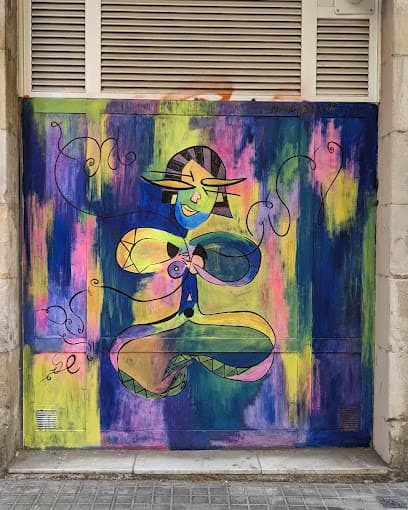
A raw, paint-splattered antidote to the sterile museum circuit. This is where pop-art meets the grit of the street, served straight from the artist’s hands in the heart of old Barcelona.
0.0(0)
Tourist attraction
Frequently Asked Questions
Is Moll Nou worth visiting?
Yes, if you want to see an authentic, non-touristy side of Barcelona. The new elevated walkway offers a unique view of the working fishing port and the daily fish auction that most tourists never see.
What is the best time to visit Moll Nou?
The best time is around 4:00 PM on weekdays. This is when the fishing fleet returns to the harbor and unloads their catch, providing the most activity and a chance to see the auction process.
How do I get to Moll Nou?
Walk to the very end of Passeig de Joan de Borbó in Barceloneta. The entrance to the fishing wharf and the elevated public walkway is located near the Clock Tower (Torre del Rellotge).
Do I need tickets for the Moll Nou walkway?
The elevated public walkway is generally free and open to the public, though specific guided tours of the internal auction floor (La Llotja) may require a booking through local maritime heritage groups.
Reviews
0 reviews for Moll Nou
No reviews yet. Be the first to share your experience!